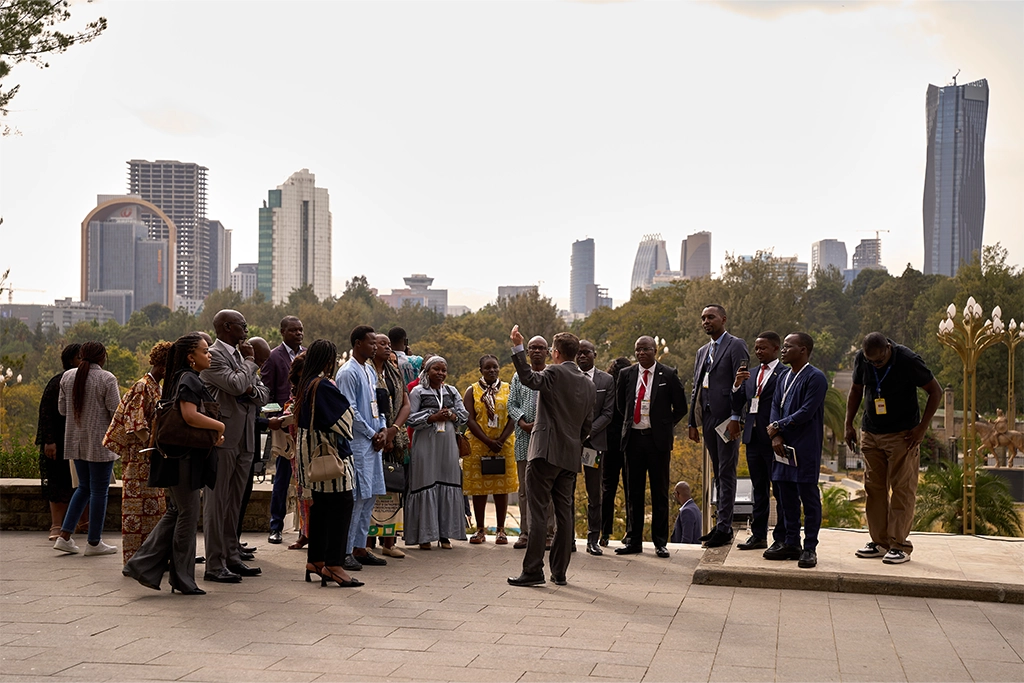
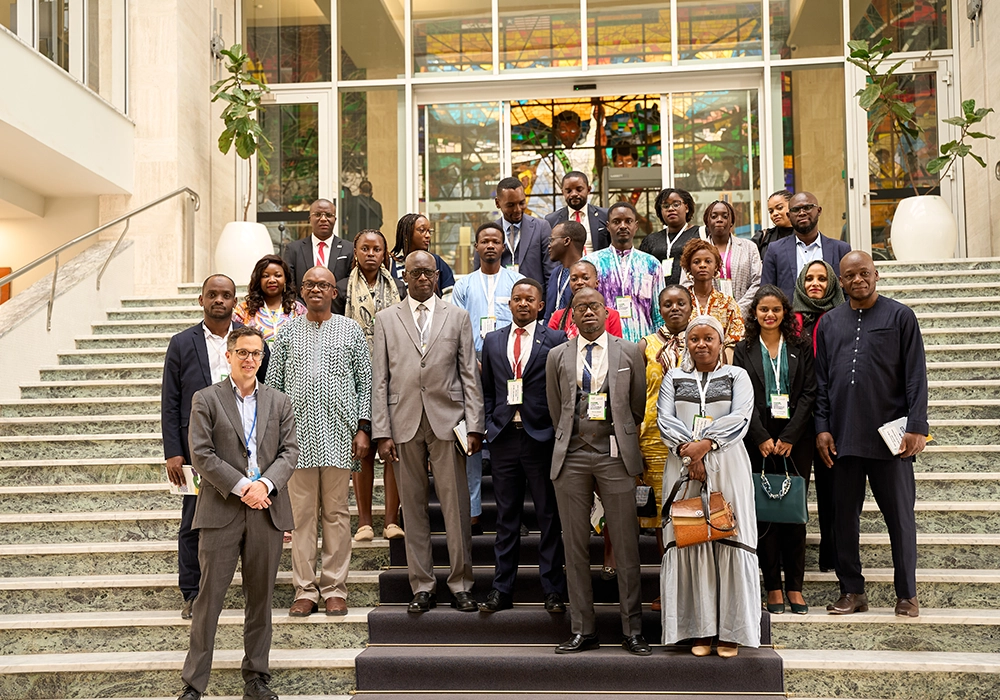
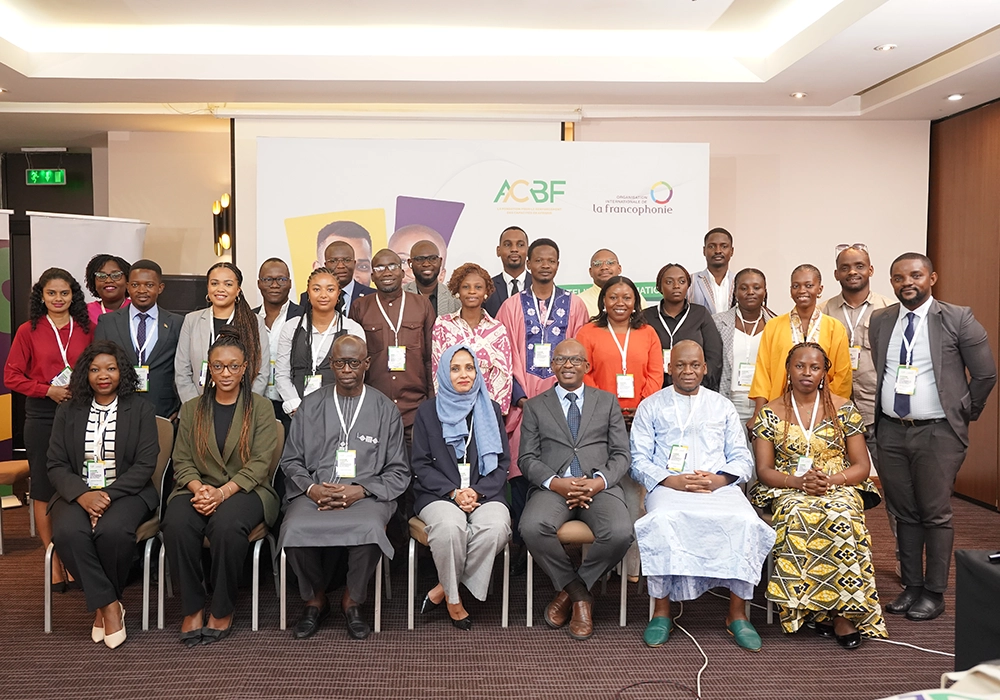
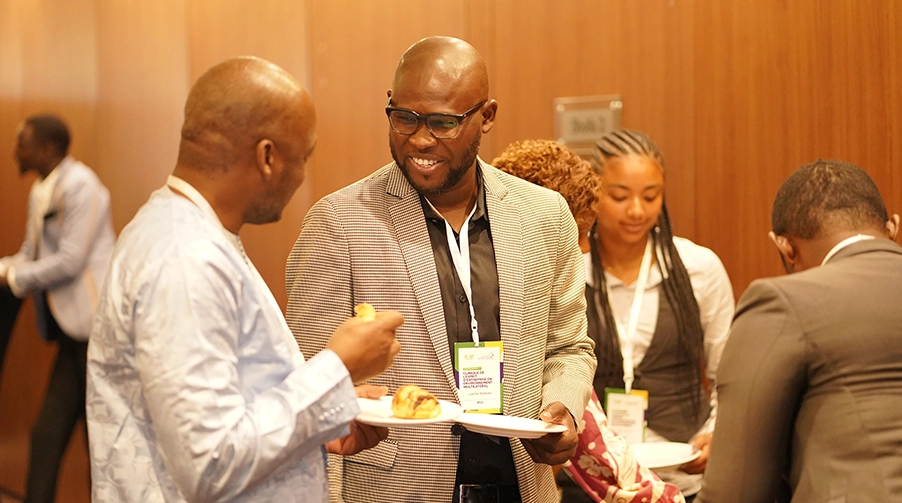
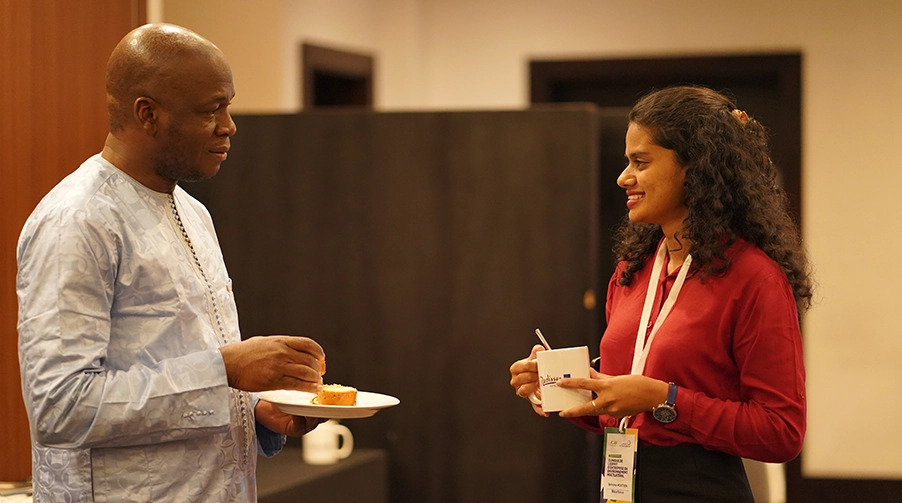
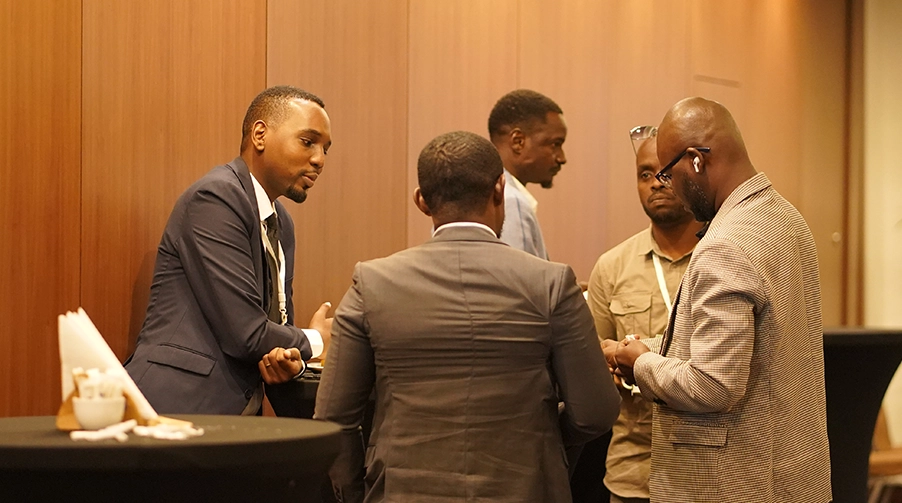
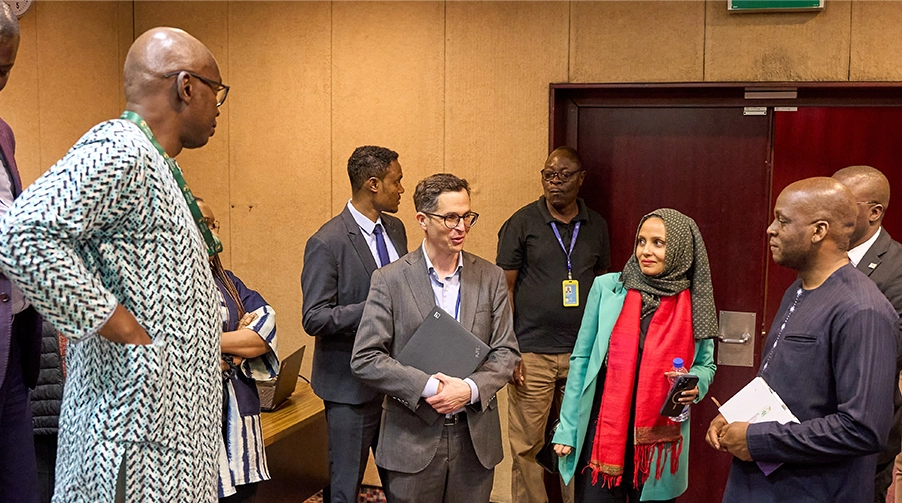
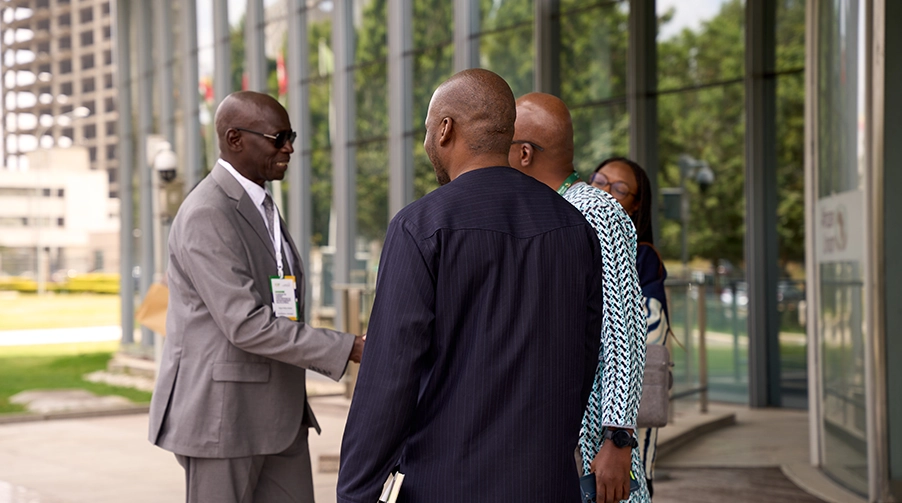
The three-day training, held in Addis Ababa, Ethiopia from Nov. 26 to 28, 2025, brought together 18 young African francophone professionals for classroom sessions and institutional immersion at the United Nations Economic Commission for Africa and the African Union Commission as well as exchanges with the group of ambassadors from African French-speaking countries in Addis Ababa.
The program was delivered as the second cohort under the partnership between the African Capacity Building Foundation (ACBF) and the Organisation Internationale de la Francophonie (OIF).
Participants represented a broad cross-section of the continent, spanning West, Central, East, and Southern Africa, with professionals drawn from countries including Benin, Burkina Faso, Burundi, Cameroon, Comoros, Congo, the Democratic Republic of the Congo, Côte d’Ivoire, Gabon, Guinea, Equatorial Guinea, Mali, Mauritius, Mozambique, Niger, Senegal, Chad, and Togo.
The clinic was designed to strengthen participants’ understanding of the multilateral system and international cooperation mechanisms, particularly those led by the Francophonie, the African Union, and the United Nations.
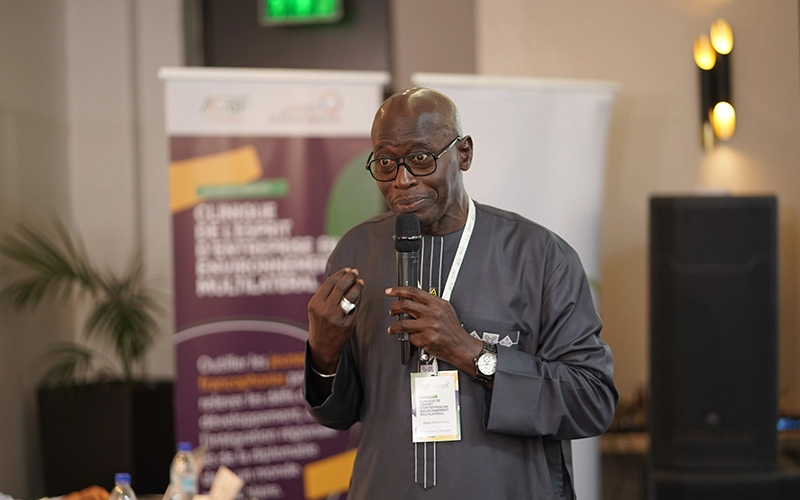
Pape Félou Diallo, an ACBF trainer and expert who facilitated the workshop, said the approach reflects a shift from locally bounded entrepreneurship toward models that operate across institutional and geographic boundaries.
He added that the institutional visits marked a key innovation of the program’s second edition.
We are no longer talking about entrepreneurship limited to a single country or a narrow space, but entrepreneurship that operates within a broader multilateral environment,
Pape Félou Diallo,
ACBF Trainer and Expert
The training combines entrepreneurship, diplomacy, governance, communication, and project management with direct exposure to institutions that shape continental policy and decision-making.
Addis Ababa, home to the African Union and several United Nations agencies, provided a practical learning environment. Participants were able to observe how multilateral institutions operate beyond public summits and official statements, gaining insight into internal coordination, negotiation processes, and institutional dynamics.
Translating Learning into Leadership
Lacine Diabaté, a participant from Mali who works as a communications and marketing manager in Bamako, said the training reshaped how he approaches leadership and decision-making in institutional settings.
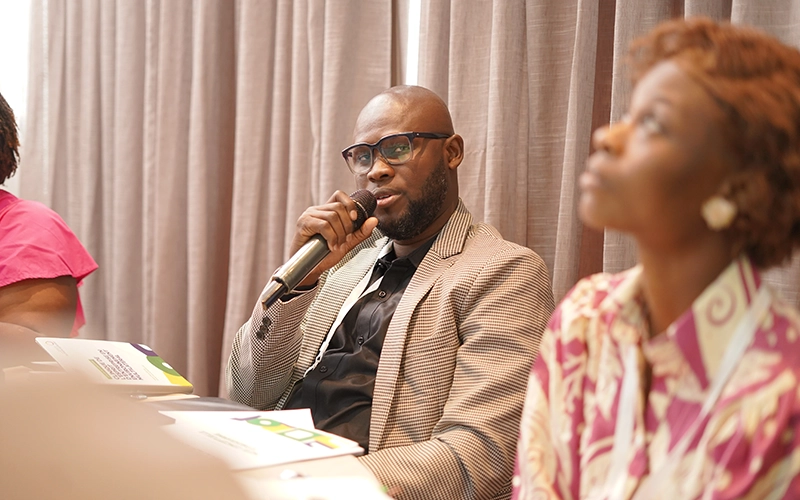
The program reshaped my understanding of leadership as a mindset focused on transformation, resilience, and the ability to mobilise others. It is no longer about position, but about how you respond to constraints and create impact.
Lacine Diabaté
Communications and Marketing Manager in Bamako
He said this shift has influenced how he manages teams, communicates with stakeholders, and analyses organisational challenges in his day-to-day work.
“The training strengthened my ability to turn constraints into opportunities and to act with a clearer sense of purpose in complex institutional environments,” he said.
For Selvana Mootien, a Mauritian program officer at the Indian Ocean Rim Association (IORA), the program’s value lay in its practical exposure to institutions she had previously encountered largely through academic study.
Understanding Multilateralism in Practice
Seeing how these institutions operate from the inside helps you understand the backstage of multilateral organisations, where the work happens beyond summits, ministerial meetings, and communiqués,
Selvana Mootien
Program Officer at the Indian Ocean Rim Association (IORA)
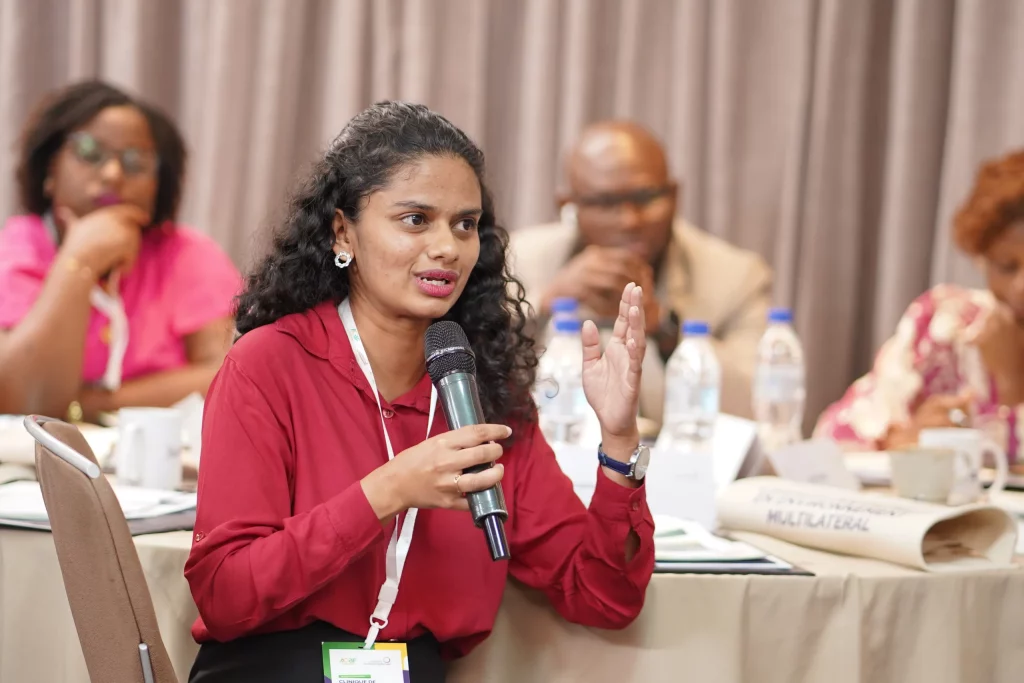
She said the immersion sessions at the African Union Commission and the United Nations Economic Commission for Africa as well as the exchanges with the group of ambassadors, changed her perception of multilateralism at a time when its relevance is increasingly questioned globally.
“It allowed me to see the potential of multilateral institutions more clearly, especially in a context where bilateral approaches are often presented as alternatives,” she said.
Mootien said the training is already influencing her current professional work. In her role within institutional governance, she said a clearer understanding of African Union structures and decision-making processes has improved how she analyses cooperation frameworks and interactions between the African Union and Regional Economic Communities. This, she said, is informing how she assesses potential areas of collaboration in ongoing work.
She also highlighted the importance of the program’s location, noting that Addis Ababa’s concentration of continental institutions, diplomatic missions, and international organisations reinforced immersion and learning.
Both participants said the training strengthened their interest in governance, regional integration, and institutional cooperation.
Diabaté said the exposure reinforced his ambition to contribute to improved legal and economic frameworks by drawing on multilateral experience.
Mootien said the training reinforced the need to make careers in diplomacy and multilateral institutions more visible and accessible to young people, particularly in francophone and island states.
The program aligns with the African Union’s Agenda 2063, which emphasises capable institutions, skilled human capital, and youth participation as pillars of Africa’s long-term development.
Preparing Young Professionals for Multilateral Leadership
Building the capacity of young professionals to operate effectively in multilateral environments is essential as the continent navigates a more complex and multipolar global order.
At the conclusion of the training, participants had acquired skills to operate in multilateral settings and to develop innovative solutions that reflect cultural and linguistic diversity.
They also established professional networks that enable collaboration and knowledge-sharing across countries and institutions.
According to Diallo, participant engagement remained consistently high across all sessions, with trainees actively contributing to discussions and practical exercises.
He added that the next phase of the program should include structured post-training follow-up, mentoring, and stronger links between current and former participants to support long-term impact.
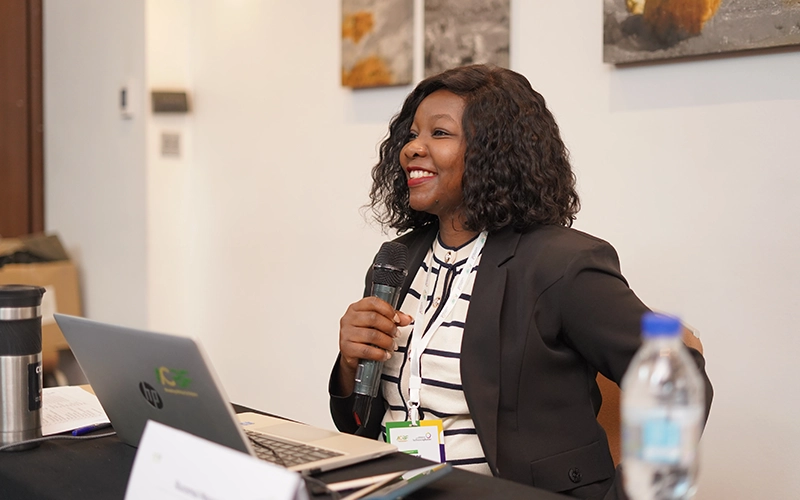
Ruramai Marandu, a program associate at ACBF, said the institutional visits were among the most impactful elements of the clinic.
Seeing participants engage directly with the African Union Commission and the UN Economic Commission for Africa was a powerful moment. Even within a short time, the program is already shaping how they see their future careers, entrepreneurial paths, and engagement with multilateral institutions.
Ruramai Marandu
Program Associate at ACBF
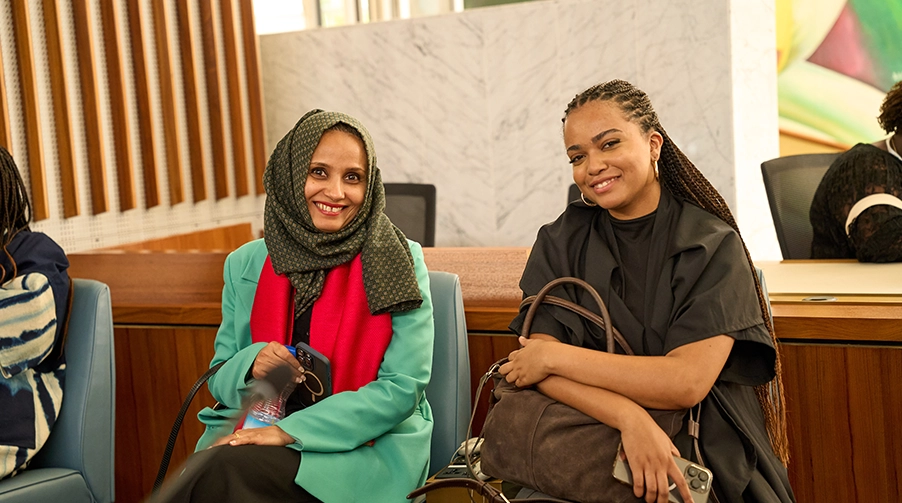
Twenty civil society actors, including youth and women-led organizations, have completed hands-on training under the Capacity Development for Africa’s Structural Transformation (CADAST) project, implemented by the African Capacity Building Foundation (ACBF) with funding from the African Development Bank (AfDB).
The CADAST program supports civil society organizations, women, and youth to take a more active role in the AfCFTA implementation.
The workshop, organized by ACBF in collaboration with Eastern and Southern African Management Institute (ESAMI)’s Trade Policy Training Centre in Africa (TRAPCA), equipped participants with concrete action plans to implement AfCFTA on the ground.
Held at the ESAMI-Trapca campus in Arusha, Tanzania, from Oct. 13 to 17, the training mixed technical sessions with real-world site visits and strategy development.
Participants came from 10 African countries, including Benin, Burundi, Comoros, the Democratic Republic of Congo, Ghana, Malawi, Rwanda, Sierra Leone, Togo, and Zimbabwe.
Each participant now carries a national plan to tackle the gap between trade policy and the communities most affected by it.
From learning to leading
The highlight for many was the field visit to the Namanga one-stop border post between Kenya and Tanzania. Mawulawoe Awity, Executive Director of the Network of Women in Growth from Ghana, said it expanded her thinking.
Interacting with other nationalities and getting to know that the problems we face in Ghana are similar to the same challenges that they are facing has opened up my mind and broadened my scope in terms of the solutions that we can come up with,
I was highly impressed when we visited the Namanga one-stop post border, and I saw the kind of integration that Kenya and Tanzania have at the post. I think it’s something that we can implement in Ghana, and it’s one of the things I would advocate for
Mawulawoe Awity
Executive Director of the Network of Women in Growth from Ghana
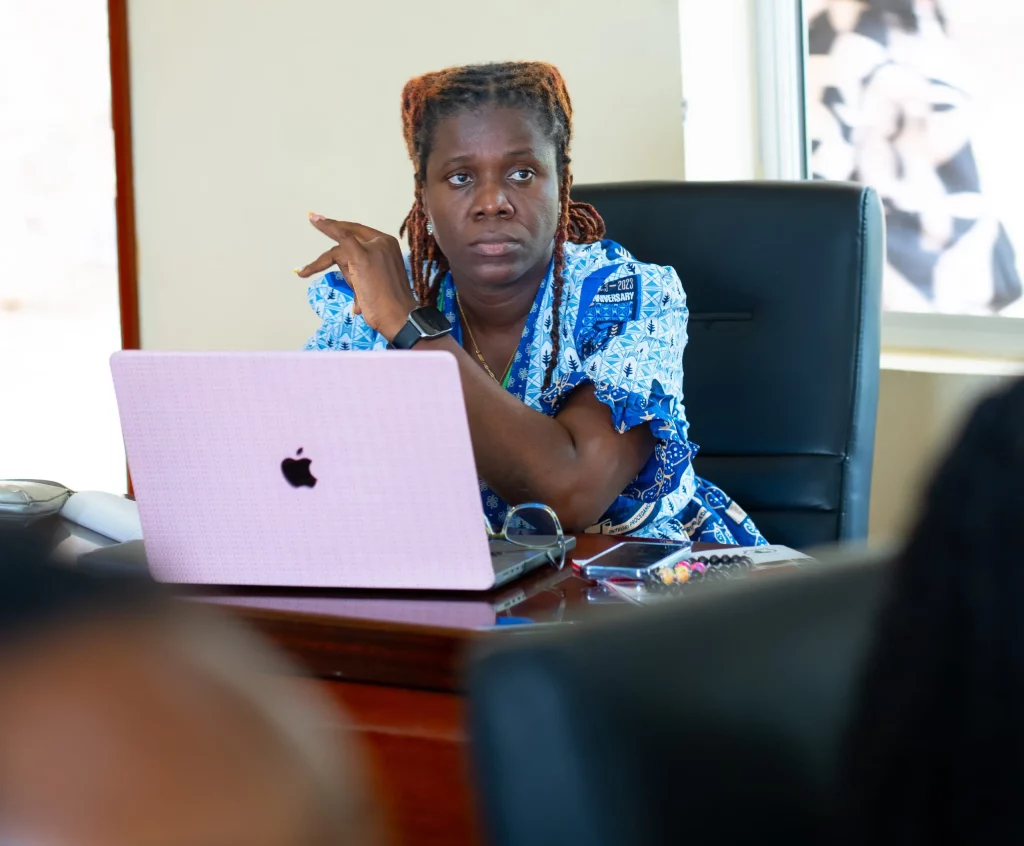
Awity plans to increase gender sensitization and awareness among women traders on both the challenges and opportunities of cross-border trade.
Putting action at the center
Aganze Namegabe Christian, an independent consultant and researcher from the Democratic Republic of the Congo, stated that the training provided participants with practical tools to raise awareness about the African Continental Free Trade Agreement and its benefits.
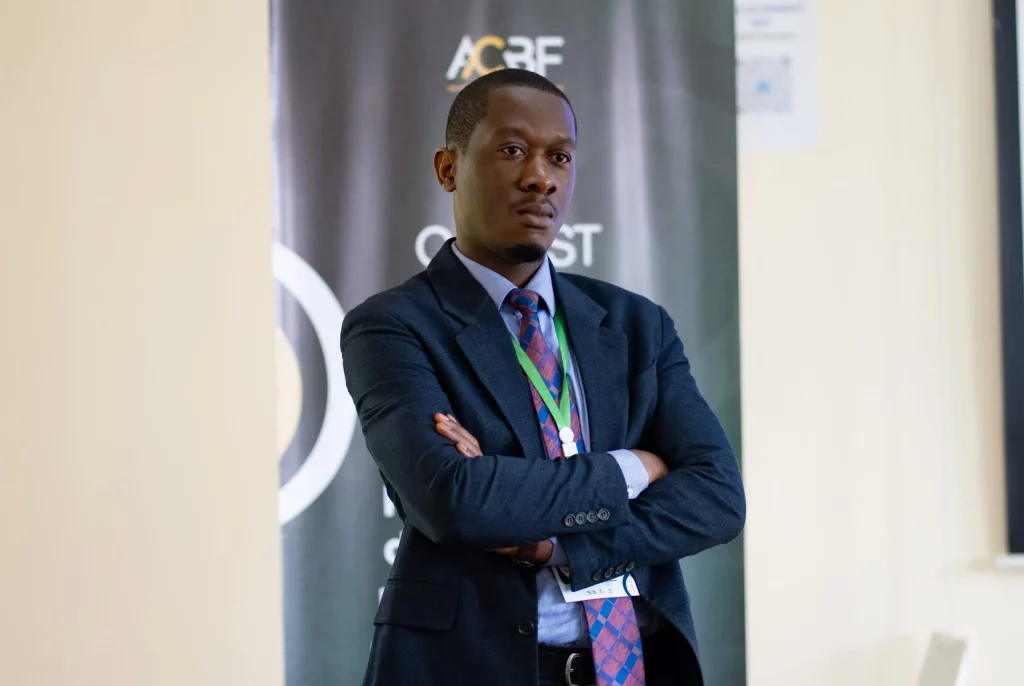
I am convinced that, from the beginning of this program, it will allow us to use the data collection methods we have learned to achieve widespread awareness
Aganze Namegabe Christian
An independent consultant and researcher from the Democratic Republic of the Congo
He emphasized the importance of staying connected to those most affected by the agreement, including civil society groups, women, youth and small businesses. “Above all,” he said, “we must be very close to key players, especially in the context of these projects.”
His focus moving forward is to ensure the implementation of AfCFTA remains inclusive at all levels. “This agreement is capital for the continent,” he added.
Bridging the knowledge gap
Mary Frances Malunga, chairperson of the Alliance of Female Cross Border Traders Association from Malawi, emphasized the necessity of grassroots knowledge about AfCFTA.
Her organization works to economically and socially transform the lives of female cross-border traders in Southern Africa.
We have noted that a lot of these groups don’t have the knowledge or the know-how for export, so under the project, we are going to provide them with training and export readiness,
Mary Frances Malunga
chairperson of the Alliance of Female Cross Border Traders Association from Malawi
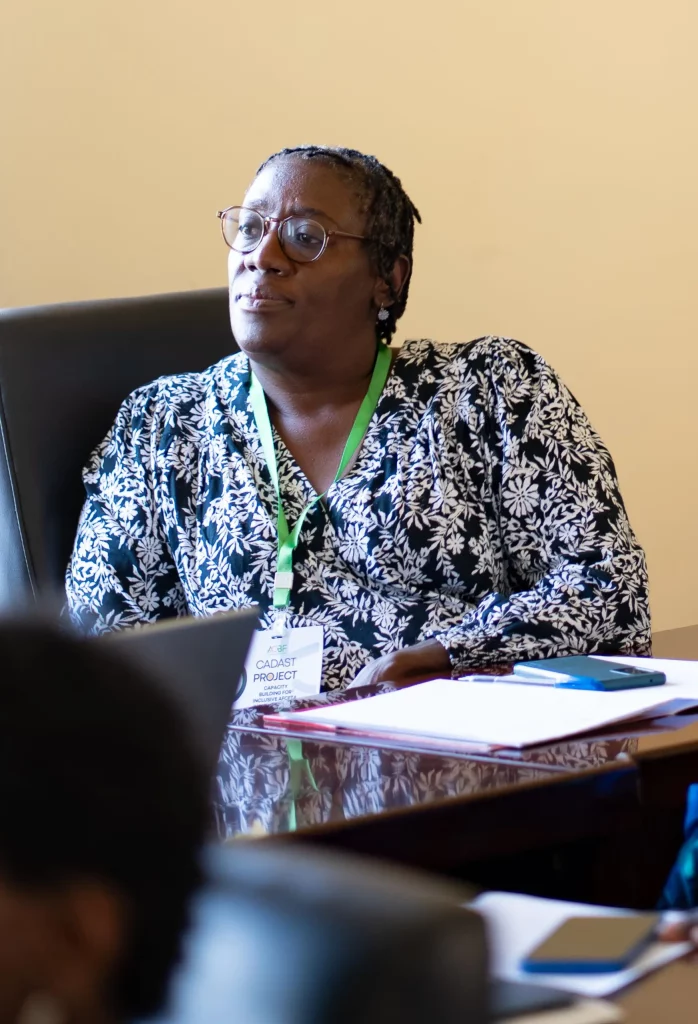
Malunga said her team will focus on digital trade skills, onboarding to e-commerce platforms and spreading awareness of AfCFTA protocols to underserved groups, including women with disabilities and young traders.
Local advocacy with policy impact
From Comoros, Binti Mhadjou made a strong commitment to both awareness and advocacy.
I commit to raising awareness among stakeholders, including civil society, youth and economic operators. I also plan to advocate with national authorities so that this mechanism can be adapted to the realities of my country
Binti Mhadjou
She plans to act as a liaison between policymakers and communities, making the AfCFTA real and relevant by aligning it with national laws and priorities. The in-person training marked the final stage of months-long capacity-building journey that included webinars, online courses and regional knowledge sharing. This final phase focused on implementation.
Participants developed monitoring frameworks, mapped sector opportunities, engaged in field visits and created concrete plans to lead national rollouts in their home countries. On the final day, they presented their strategies and committed to returning home not just as graduates but as local trainers, advocates and leaders/facilitators.
Each will lead step-down activities in the next 60 days, creating ripple effects that extend beyond this training.
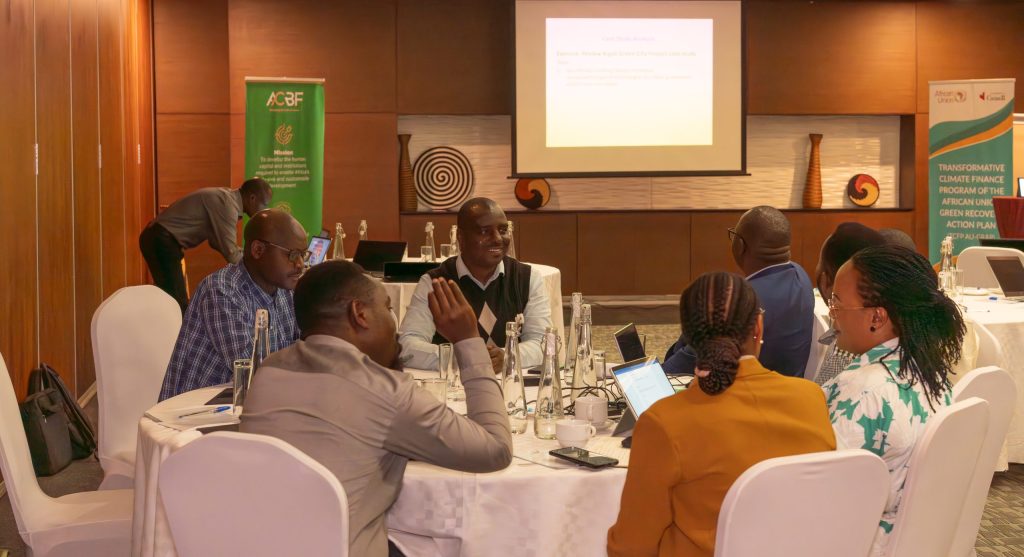
In collaboration with the African Union Commission, we organized workshops from July 1 to Aug. 8, 2025, in Lesotho, Namibia, Rwanda, Senegal and Côte d’Ivoire, with funding from Global Affairs Canada and technical support from the Global Green Growth Institute and the AliDouglas Development Consultancy.
These workshops form part of ACBF’s Climate Change and Energy for Productive Use program, which helps African countries design and launch bankable projects that drive climate adaptation and promote green growth.
The initiative advances the goals of Agenda 2063, which envisions a prosperous, resilient and sustainable Africa. It builds the capacity of institutions and communities to access and manage climate finance, tackling the urgent climate challenges that heavily affect developing nations and vulnerable populations.
It also supports Aspiration 1 of Agenda 2063, focused on inclusive growth, natural resource management and environmental sustainability. At the same time, it aligns with Aspiration 7, which seeks to position Africa as a resilient and influential global player.
The sessions brought together government institutions, civil society, academia, and private sector actors.
They equipped participants with the knowledge, skills, and tools to mobilise and deliver climate finance in an inclusive and gender-responsive manner.
In each of the five countries, the workshops adapted AU-GRAP’s five thematic pillars to national policies, investment priorities, and institutional frameworks.
Training modules were tailored using each country’s Climate Needs Assessment and combined in-person facilitation with expert-led virtual sessions.
More than 300 participants attended, including senior officials, municipal authorities, women’s networks, universities, youth representatives, and think tanks.
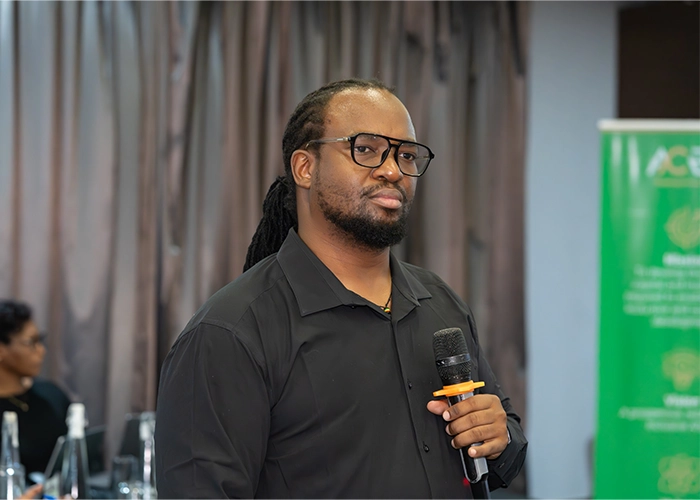
These sessions created momentum for national ownership of climate solutions grounded in equity, evidence, and innovation,
Dr. Nqobizitha Dube
AU-GRAP Capacity Training Lead
Pre- and post-training evaluations showed average knowledge improvements of between 23 and 32 percent, with the highest gains in green urban infrastructure and water systems, climate finance architecture and instruments, and climate-smart agriculture.
Participants left with stronger capacity to develop bankable projects, apply nature-based solutions, and integrate gender considerations into financing strategies.
Participant Voices
In Rwanda, the training struck a chord with those working directly in water resource management.
It was a response to our demands during the country diagnostic, and we are very pleased to discuss climate finance, which is a big question at this time,
We reviewed some of our obvious mistakes and misunderstandings, and it was very clear how to improve. In the future, we would like even more on-the-job exercises to mature project ideas to the point where they can bring real momentum, rather than being abandoned for lack of clarity,” he added.
Musana Segatagara Bernard
Head of the Knowledge and Forecasting Hub Department at the Rwanda Water Resources Board
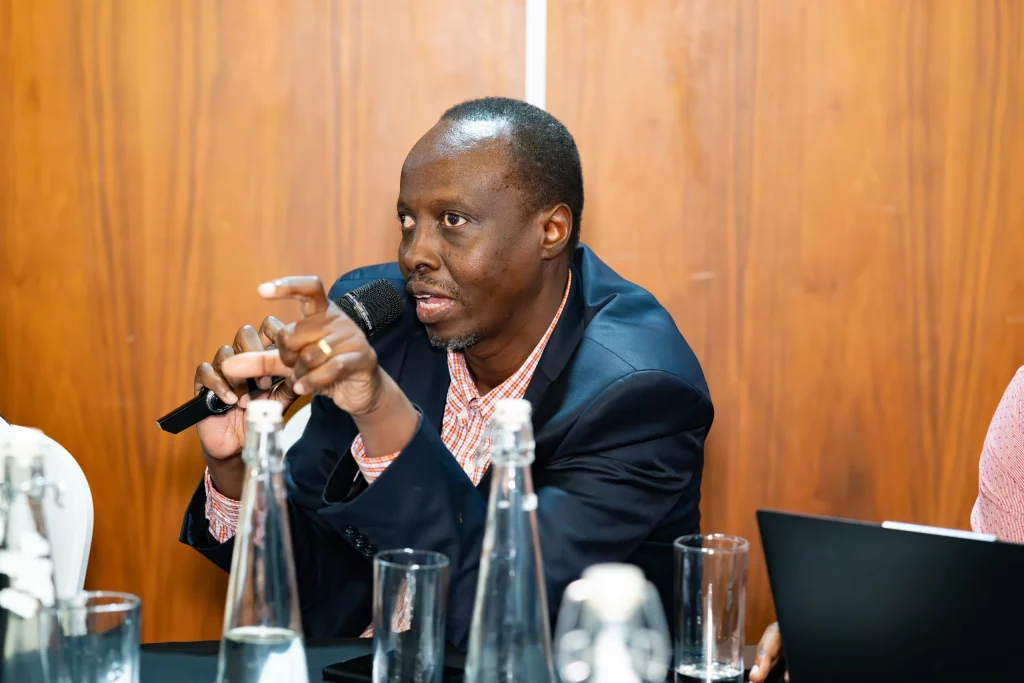
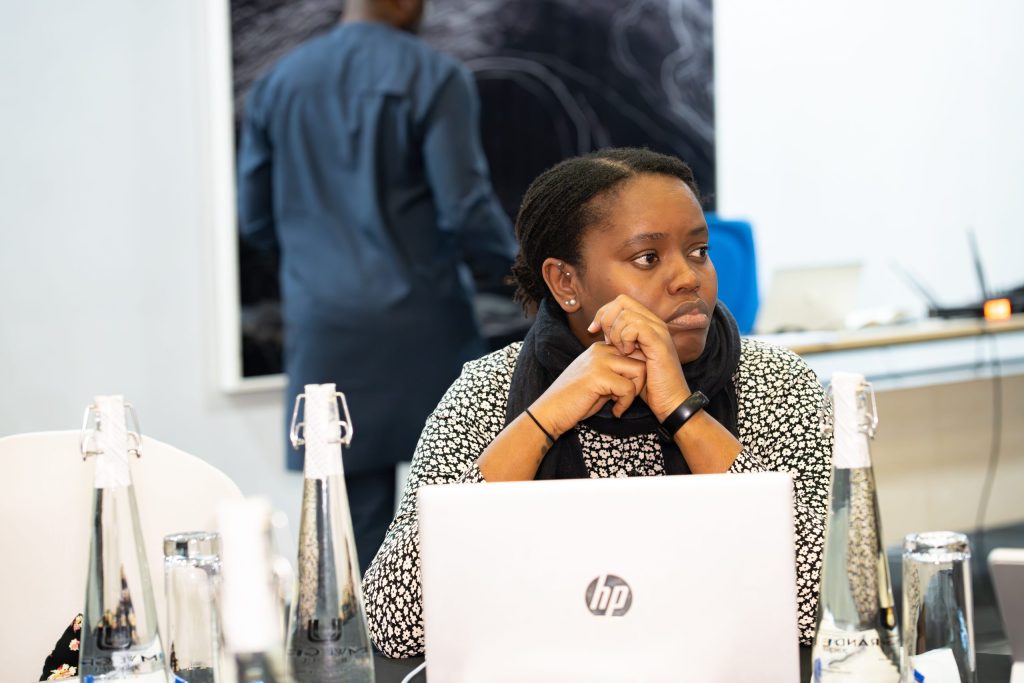
For others, the workshops offered a rare blend of theory and action. “It was really interesting, insightful, and very practical,
They broke down the climate finance architecture, proposal development, donor expectations, and how to actually get into it. My recommendation is a continuation of such trainings, maybe through a community of practice where we exchange findings and support each other,” she said.
Nathalie Neema
Technical Advisor for Project Management and Stakeholder Engagement at GIZ Rwanda
Country Spotlight
In Lesotho, participants in Maseru engaged in highly participatory sessions that covered the full range of AU-GRAP themes. The training concluded with the co-creation of a roadmap to integrate climate finance into the country’s national recovery strategy, ensuring alignment with long-term development goals.
Namibia’s workshop in Windhoek reflected the country’s green hydrogen ambitions and built on the work of the Environmental Investment Fund. Sessions demonstrated how national institutions can successfully access resources from the Green Climate Fund and the Adaptation Fund, while strengthening local capacity for climate finance planning.
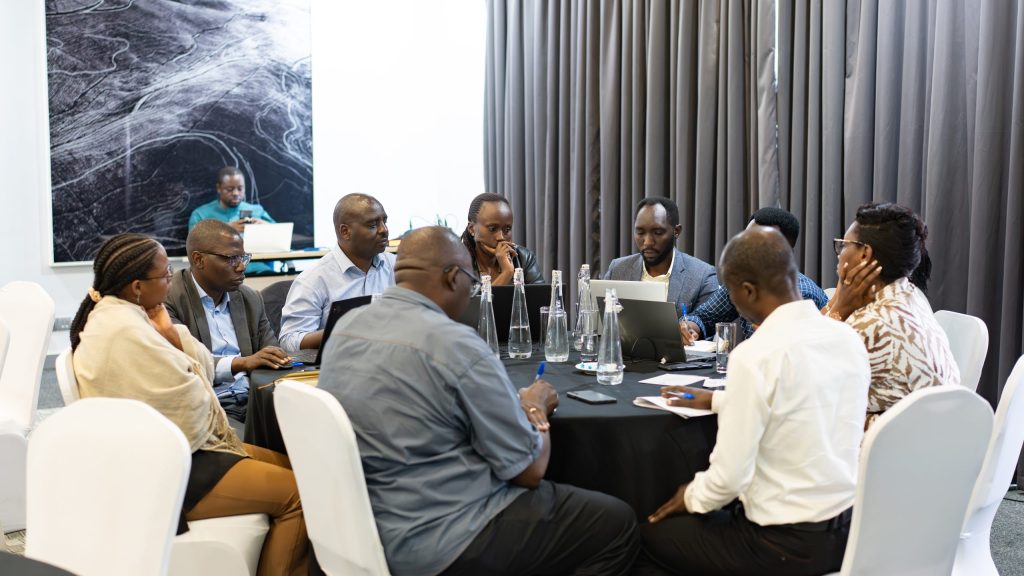
In Rwanda, the sessions in Kigali leveraged the country’s pioneering experience with FONERWA and its advances in urban resilience. Participants examined energy transitions, the integration of indigenous knowledge, and climate-smart zoning tools to strengthen both urban and rural systems.
Senegal’s training in Dakar brought together civil society organisations, academia, and local authorities. Discussions centred on inclusive governance for nature-based solutions and institutional audits for reform, key priorities for the country’s Green Cities programme and its urban, rural development corridors.
The final workshop in Abidjan, Côte d’Ivoire, showcased strong government ownership of the AU-GRAP process. Stakeholders analysed the national climate finance landscape, from institutions such as FONSTI and CNCE to the integration of green priorities into the Plan National de Développement 2021–2025.
Corporate Voices Show Interest
Richard Ndungutse, CEO of Nano Ion Company Limited in Rwanda, attended at the invitation of the Ministry of Environment.
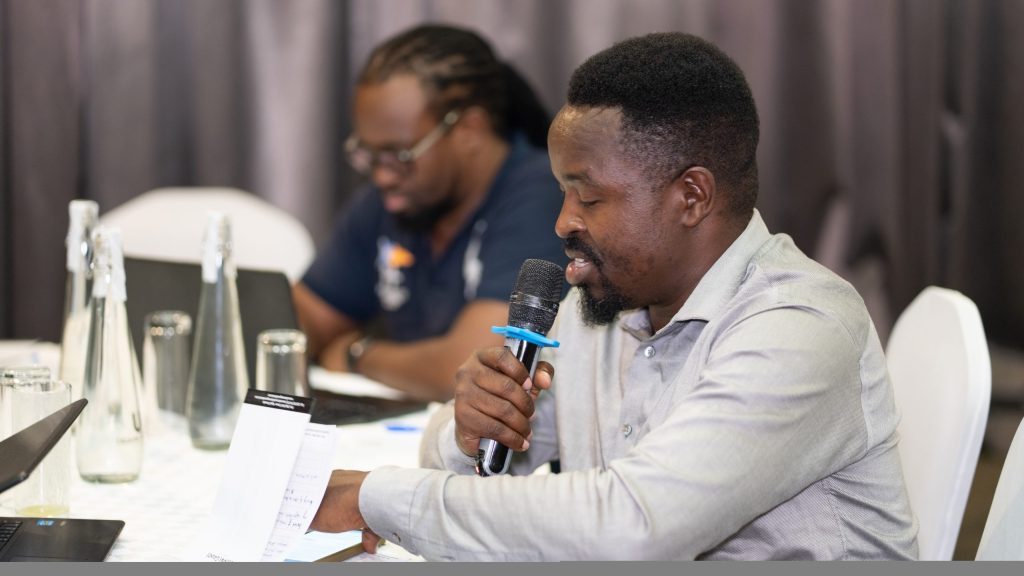
I have benefited a lot from this training because they gave us the perspective on how to seek funds for environmental protection and design projects that attract funders.
We hope to partner with these organisations because they have so much experience to share.
Ndungutse commended the initiative and suggested that it should be expanded to different countries to give capacity to more institutions.
According to Seyram Agemenya, ACBF Programme Coordinator, the workshops are part of a broader vision to transform Africa’s climate finance landscape.
This is just the beginning of engagement with country-level stakeholders around climate finance and the development of multiple programmes. Climate expert teams have been set up in all five countries to lead the implementation of the roadmaps developed during the training,
While we have started with five countries, there is an opportunity to expand these trainings to more countries so that African nations are well equipped and working towards climate action on the continent, Agemenya added.
Seyram Agemenya
ACBF Programme Coordinator

Each country emerged from the training with a national roadmap, forward-looking plans that align AU-GRAP’s thematic pillars with national development priorities.
These roadmaps are expected to inform engagement with the Green Climate Fund, Adaptation Fund, and bilateral donors.
Participants joined a growing AU-GRAP alumni network, coordinated by ACBF, to foster cross-country exchange and mentorship.
AU-GRAP partners plan to deepen this work through thematic webinars on proposal writing, monitoring and evaluation systems, and gender-responsive policy reform, as well as South–South learning exchanges and the publication of a practitioner-focused knowledge series.
We are building capacity and shaping institutions that can lead Africa’s green recovery on their own terms
Mr. Prabhakar Vanam
Lead facilitator for institutional frameworks
The AU-GRAP, which runs from 2021 to 2027, is a continent-wide framework designed to support Africa’s COVID-19 recovery while advancing climate resilience, green growth, and sustainable development.
Watch Participant
Reflections
In these testimonial videos, participants shared insights on the value of the workshop and lessons drawn from the training:
Thirteen African think tanks came together in Johannesburg, South Africa, from July 16 to 18, 2025, for the Capacity Development for Structural Transformation (CADAST) Design Thinking Workshop, which provided support for policy research and trade analysis.
Convened and organized by the African Capacity Building Foundation with support from the African Development Bank, the workshop focused on discussing and validating the results of organizational capacity assessments of selected think tanks.
The aim was to strengthen their research and policy capacities so they can play a stronger role in advancing the African Continental Free Trade Area (AfCFTA).
The workshop introduced a design thinking approach that enabled participants to identify institutional gaps, generate practical solutions and explore new ways of collaborating.
With its emphasis on capacity development and peer learning, CADAST project is equipping African institutions to deliver the evidence and innovation needed to guide the continent’s policy agenda.
Think Tanks Highlight Workshop Value
Dr. Gibson Chigumira, Executive Director of the Zimbabwe Economic Policy Analysis and Research Institute (ZEPARI) highlighted the policy relevance.
As you understand, the African Continental Free Trade Area has opened a big market for African countries to benefit. And I think for them to benefit, there is also need for research to inform policies on how countries in Africa can opt to participate
Dr. Gibson Chigumira
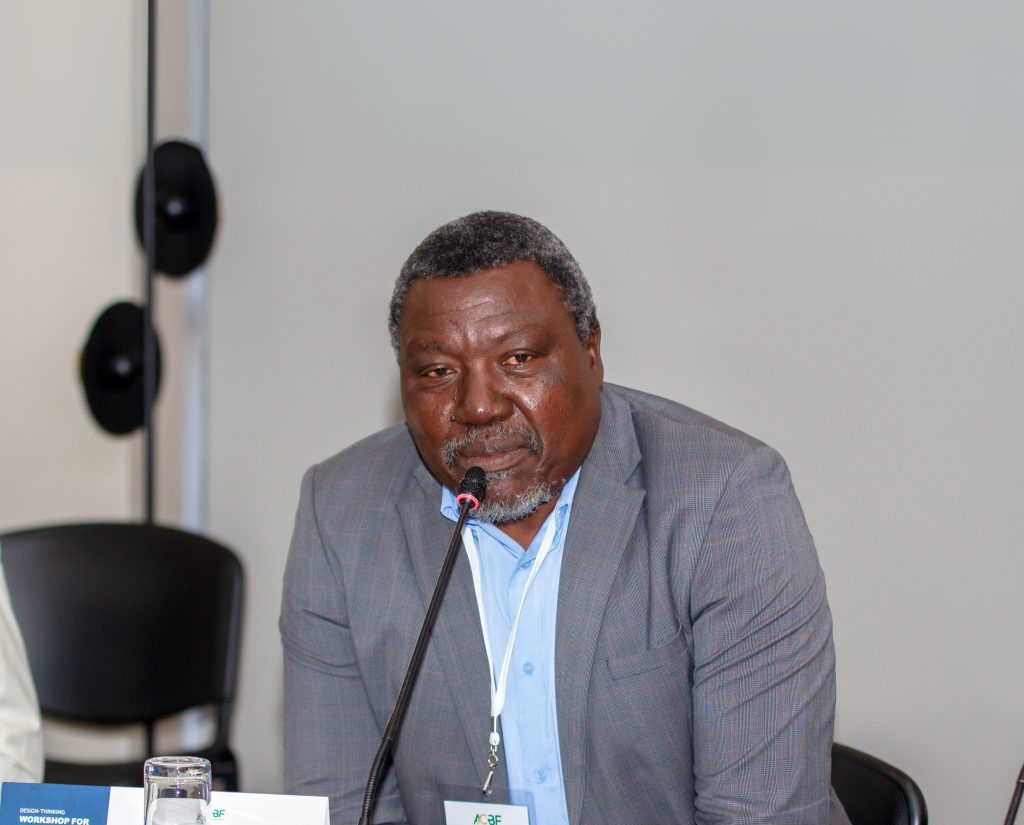
He said the workshop “opened up a number of areas that we can enhance our research and also collaborate among ourselves as think tanks to be able to inform the policy processes within AfCFTA.”
ZEPARI is an autonomous think tank established in 2003 that produces applied economic policy analysis and builds capacity to promote evidence-based policymaking in Zimbabwe.
The institute engages with government, civil society, and the private sector to ensure policies respond to national development priorities.
Dr. George Lutomia, Research Mentor, representing the Executive Director of the Kenya Institute for Public Policy Research and Analysis (KIPPRA) emphasized the knowledge exchange.
We have learned a lot about what we can do as think tanks in Africa and in our respective regions, so that eventually the outcomes and outputs can advance development for our countries and our continent.
We shall be able to disseminate not only to our countries but also through our networks so that those who may not have attended will benefit and make a difference in their countries as well.
Dr. George Lutomia
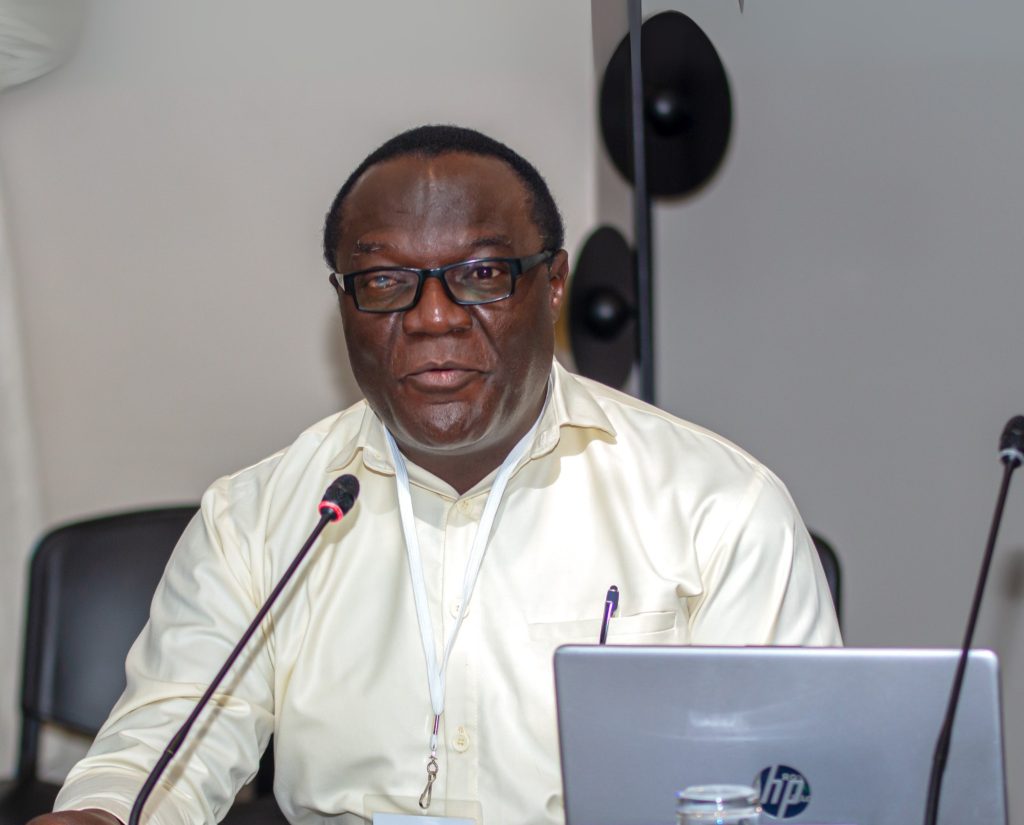
KIPPRA is a public institute established in 1997 that provides research, advisory services, and capacity building to improve public policy in Kenya.
It works with national and county governments, state corporations and other stakeholders, and is widely known for producing the Kenya Economic Report.
Prof. Fortunata Sangora Makene, Executive Director of the Economic and Social Research Foundation (ESRF) in Tanzania, highlighted the workshop’s networking value.
They undertook this analysis of think tanks to identify the areas where our capacities can be strengthened, and where targeted interventions can help ensure, these institutions truly thrive.
Beyond that, there will also be dedicated research in a domain that is vital to many of our countries—supporting the AfCFTA in delivering on its mandate.
Prof. Fortunata Sangora Makene
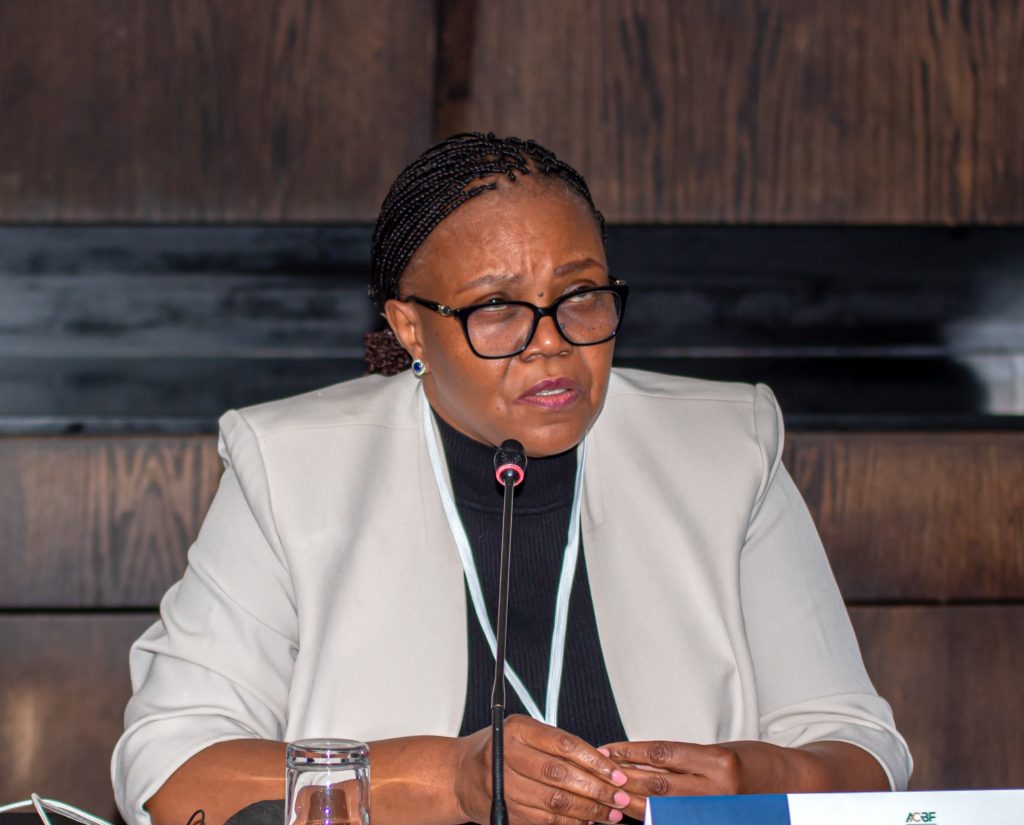
ESRF is an independent policy research Think Tank established in Tanzania for the purposes of undertaking research and providing evidence to support economic management process in Tanzania.
Founded in 1992, it works closely with government, the private sector, civil society and development partners to improve decision-making and national development outcomes.
Building Momentum for Collective Impact
The CADAST project is helping these institutions turn assessment results into concrete capacity-strengthening plans, ranging from improved dissemination of research findings to stronger policy engagement and expanded regional collaboration.
The project also builds on the ACBF’s broader support to African think tanks through initiatives such as the annual Africa Think Tank Summit.
Upcoming initiatives, including the 2025 Africa Think Tank Summit planned for 8-10 October in Addis Ababa, Ethiopia, will sustain this momentum by focusing on critical issues such as taxation, domestic resource mobilization and policy coherence, further strengthening the role of African think tanks in shaping effective policy solutions for sustainable development.
Dr. Lutomia encouraged wide participation, noting that the summit will be an opportunity “for all think tanks and partners who are keen on seeing how Africa can grow to come together and move as one team.”
Dr. Chigumira also underlined the relevance of the theme on taxation and resource mobilization, calling it essential for addressing Africa’s fiscal constraints.
Through CADAST and the partnerships driving it, African think tanks are building the knowledge, networks and policy influence needed to ensure the African Continental Free Trade Area delivers tangible benefits for the continent’s citizens.
The CADAST project addresses critical systemic challenges in macroeconomic governance, regional integration, and climate-resilient policy frameworks.
It aims to accelerate Africa’s progress toward the African Union’s Agenda 2063 and the Sustainable Development Goals by strengthening national and regional institutions through analytical tools, technical expertise, and collaborative platforms.
Courses include:
- Building Excellence in Taxation and Administration (BETA) Program
- Leadership Excellence in Africa’s Public Sector (LEAPS) Program
- Webinars and Podcasts