From Milk Losses to Market Access: ACBF Brings Practical Agribusiness Solutions to AAICE 2026
Loading your experience...
For smallholder dairy farmers supplying Happy Cow Ltd in Kenya, getting milk from the farm to the market before it spoils can determine whether a day’s production generates income or becomes a loss.
A community refrigeration hub established by Happy Cow Ltd is helping address this challenge by keeping milk cold longer, reducing post-harvest losses, and helping smallholder farmers preserve the value of their produce until it reaches buyers.
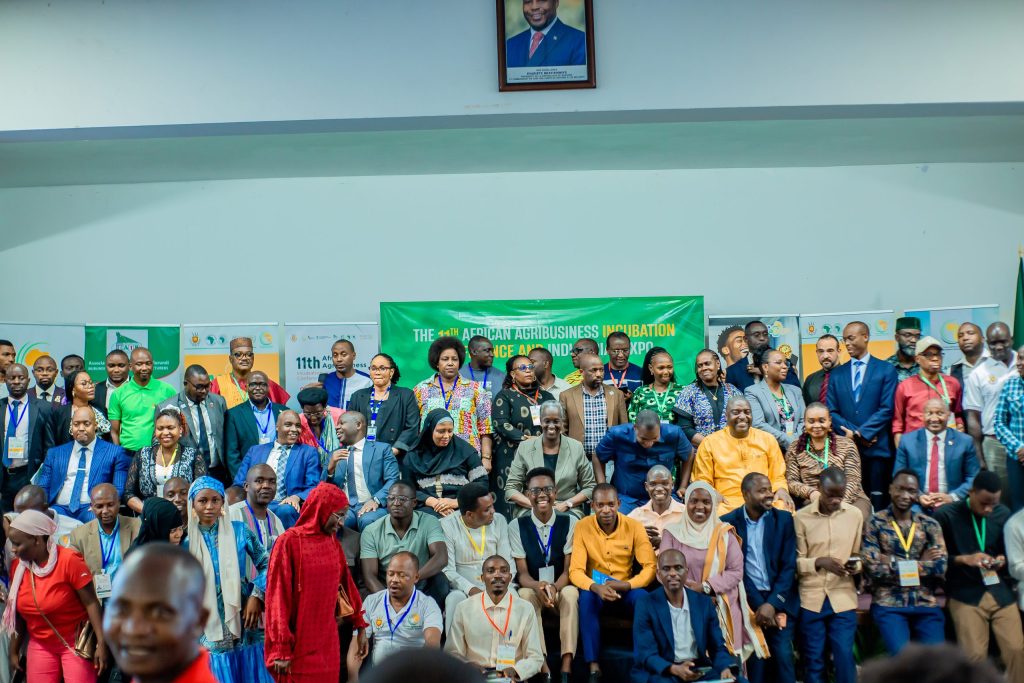
This practical solution was one of the examples the African Capacity Building Foundation (ACBF) highlighted at the 11th African Agribusiness Incubators Conference and Expo, held from Aug. 4 to 6, 2026, in Bujumbura, Burundi.
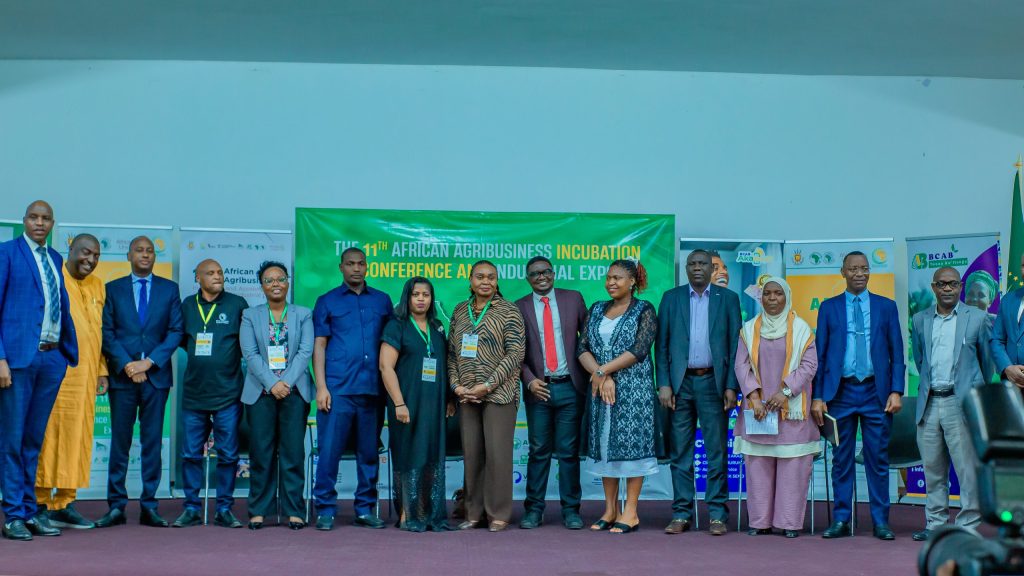
ACBF participated in the conference in partnership with the Agri-Business Facility for Africa (ABF), alongside the German Corporation for International Cooperation (GIZ) and ABF Matching Grant Fund partners from Burundi, Kenya, Senegal, and Togo.
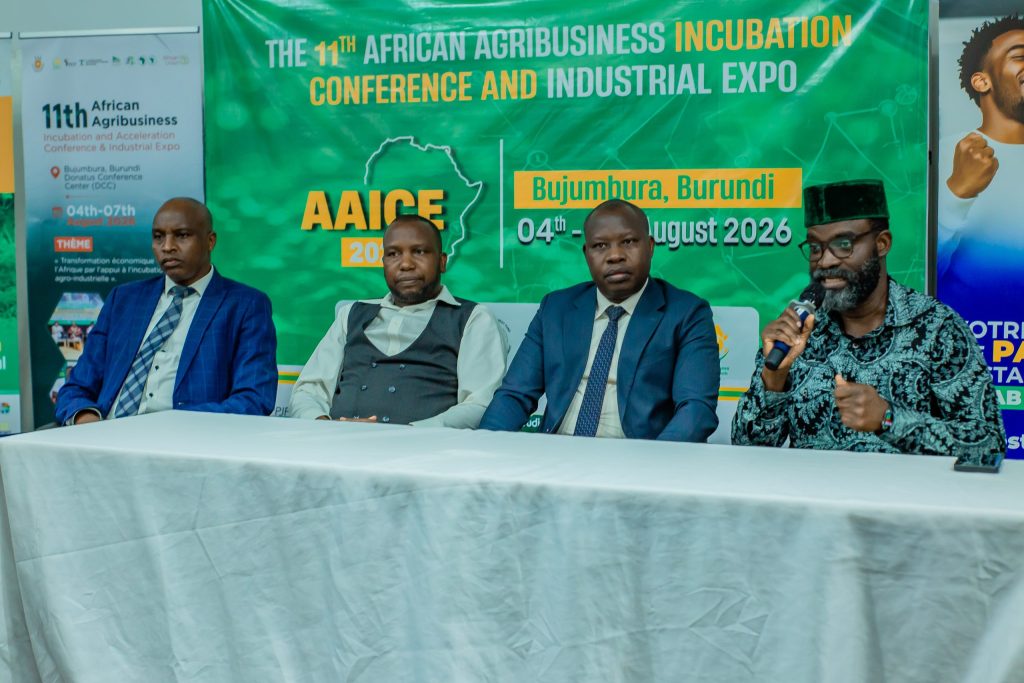
More than 500 policymakers, investors, incubator managers, financial institutions and entrepreneurs attended the conference under the theme “Advancing Incubation and Acceleration Ecosystems for Job Opportunities in Africa.”
ACBF is working to address the barriers that prevent agribusiness enterprises led by young people and women from scaling, including weak business management, limited investment readiness, gaps in governance and internal systems, and inadequate links to markets and finance.
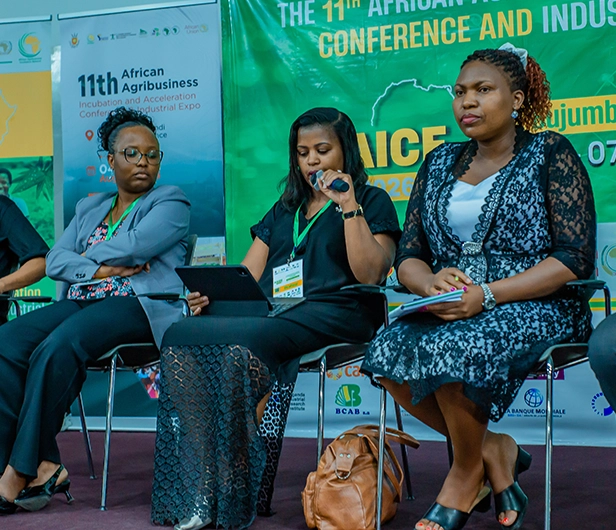
Dr. Linda Etale, ACBF Climate Change Program Officer and ABF Project Coordinator, addressed these constraints during a plenary session on functional input and output markets and trade.
Drawing on lessons from the ABF Project, Etale highlighted how targeted capacity building can strengthen women- and youth-led small and medium-sized enterprises by improving business management, governance and investment readiness, while connecting them to financing and climate-resilient practices.
Women and youth are the backbone of Africa’s agricultural sector, yet they face persistent barriers to scaling their enterprises
Dr. Linda Etale
ACBF Climate Change Program Officer and ABF Project Coordinator
Etale noted that the ABF Project has shown that combining these interventions with access to guarantee funds can help enterprises overcome barriers to growth and “unlock their potential” to drive inclusive industrial transformation and create sustainable jobs.
Her intervention connected enterprise capacity directly to economic outcomes. Businesses with strong management, governance and investment readiness are better positioned to access finance, establish market and investor relationships and compete in regional value chains.
During a panel discussion on financing and investment for environmentally sustainable jobs, Dr. Bernard Agbo, Advisor at GIZ, highlighted the Matching Grant Fund as a catalytic financing instrument that can help address financing constraints facing MSMEs.
He also pointed to the Investment Readiness Program as a mechanism for preparing enterprises to attract, access and secure investment.
That connection between capacity and results was also visible through ABF-supported enterprises represented at the conference.
At a joint ACBF, GIZ and ABF exhibition stand, Matching Grant Fund partners showcased work in cocoa, maize and livestock value chains.
They included Joyce Kinyanjui of Happy Cow Ltd in Kenya, Kadidiatou Doucoure of COFEPAK Cooperative in Senegal, Tiba Chrystele Kutolbena of Tout pour la Cosmétique in Togo, and Christella Ndayishimiye from Burundi.
Their participation gave potential investors, collaborators and other conference delegates an opportunity to engage directly with enterprises applying capacity-building support in their businesses and communities.
ACBF Information Management Associate Grand Mutondo brought the Happy Cow experience into a second plenary discussion on the African Continental Free Trade Area (AfCFTA) and wealth creation.
Mutondo argued that knowledge management should be treated as a strategic tool for agribusiness incubators rather than an administrative function. Effective use of knowledge, data and digital platforms can help incubators improve their services, support stronger business decisions and provide entrepreneurs with relevant market intelligence.
The refrigeration hub in Kenya demonstrated what that can mean in practice. Identifying a specific constraint in the dairy value chain and applying a practical solution has helped reduce losses and improve livelihoods for smallholder producers.
Without mechanization, communities in Africa may not create wealth. The gap between Africa’s 16% intra-continental trade and Asia’s 59%, or Europe’s 68%, represents a massive, missed opportunity for wealth creation.
Grand Mutondo
ACBF Information Management Associate
He said the AfCFTA presents “a historic chance to close this gap,” but its success depends on agri-MSMEs that can produce competitively and institutions capable of generating, managing and applying knowledge to practical challenges.
He added that practical solutions such as the Happy Cow refrigeration hub demonstrate how knowledge sharing and appropriate technologies can help communities strengthen resilience and improve economic outcomes.
ACBF’s participation also produced institutional commitments intended to extend the impact beyond the three-day conference.
A bilateral meeting between African Capacity Building Foundation and the African Agribusiness Incubation Network, led by AAIN CEO Prof. Alex Ariho, reinvigorated an existing memorandum of understanding between the two institutions.
The renewed engagement identified specific areas for collaboration, including the development of a joint index, the establishment of an Incubation Academy, resource mobilization and the development of Regional Centres of Excellence.
These proposed initiatives provide a pathway for ACBF and AAIN to strengthen the institutions that support agribusiness entrepreneurs and improve how knowledge and capacity-building approaches are developed and shared.
AAIN also expressed interest in more consistent ACBF participation in future editions of AAICE, including the next conference in Addis Ababa, Ethiopia.
ACBF also held exploratory discussions with African Risk Capacity Limited. The meeting identified a potential entry point for collaboration through Burundi’s Ministry of Finance and opened discussions on strengthening institutional capacity for disaster risk preparedness and management, particularly the ability to anticipate, manage and recover from climate-related shocks.
The immediate task following AAICE 2026 is to turn the relationships and proposals developed in Bujumbura into implementable initiatives.
Priority follow-up actions include advancing engagement with AAIN on the proposed Incubation Academy, joint development index, resource mobilization and Regional Centres of Excellence. ACBF will also pursue further engagement with ARC Ltd and develop knowledge products on mechanization and AfCFTA-driven wealth creation for the agribusiness incubation community.
Stronger enterprises need strong institutions, access to usable knowledge, better connections to markets and finance, and practical solutions that address specific constraints within their value chains.
Keeping milk cold long enough to reach the market shows what practical problem-solving can mean for dairy farmers supplying Happy Cow Ltd.
ACBF and its partners will build on this approach by extending capacity, knowledge and practical solutions to more agribusiness enterprises and institutions, with the aim of creating jobs, strengthening businesses and building more resilient livelihoods across Africa.
