
Turning potential into productive, resilient food systems
Africa’s agriculture sits at a crossroads.
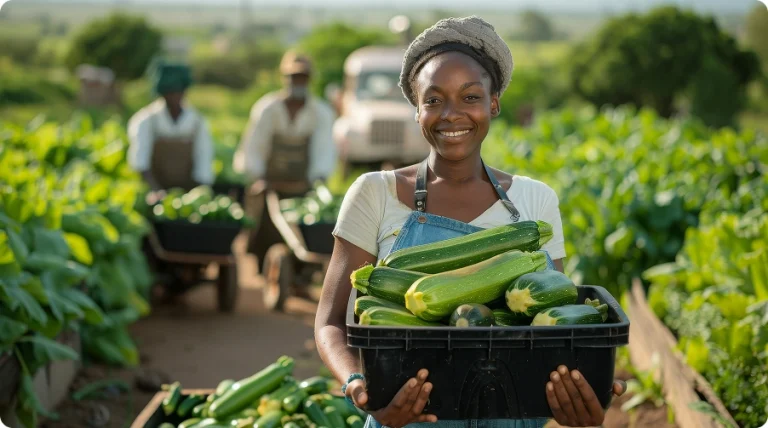
The continent has vast arable land, a rapidly growing population, and expanding consumer markets. Yet food systems continue to underperform. West Africa alone imports over US$40 billion in rice annually, despite its agricultural potential.
This is not a question of capacity alone. It is a question of systems.
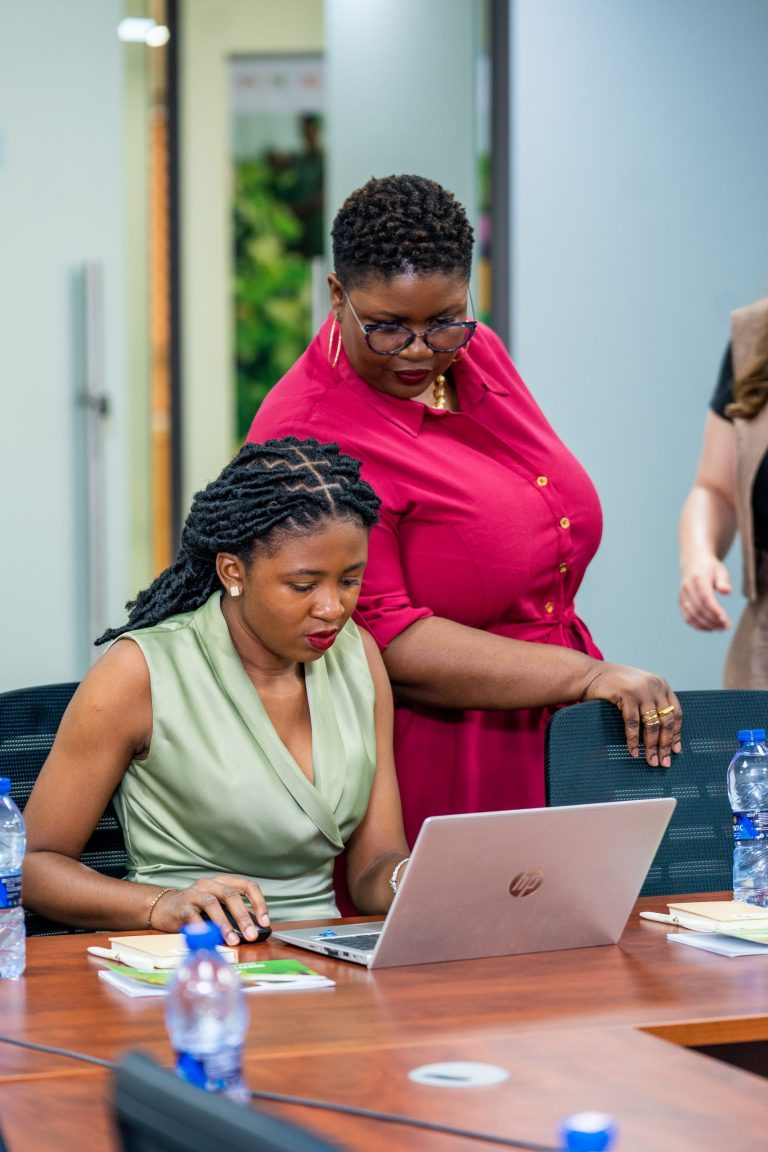
At ACBF, we work to address this gap by strengthening the human, institutional, and market systems that determine whether agribusiness can scale and whether countries can achieve food sovereignty.
Our work contributes directly to SDG 2 (Zero Hunger), SDG 12 (Responsible Consumption and Production), and Agenda 2063’s vision for resilient, self-sustaining food systems.
Where The Challenge Lies
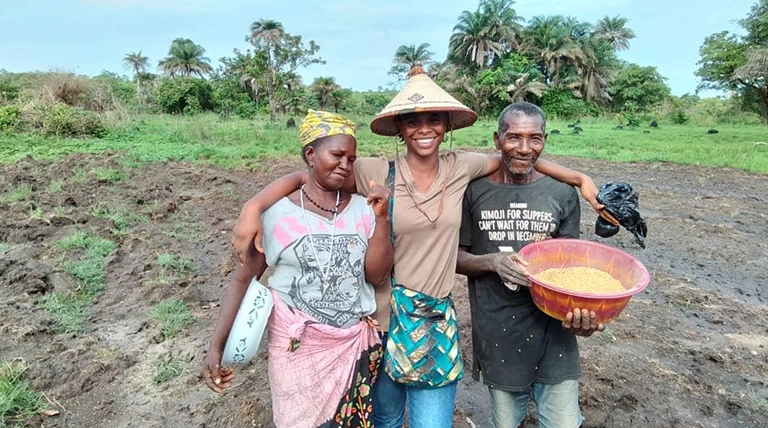
Across Africa, agribusiness actors operate within systems that constrain growth.
Limited access to finance, weak market linkages, gaps in technical and entrepreneurial capacity, and high post-harvest losses continue to limit value creation. Many enterprises, particularly those led by women and youth, who represent up to 80% of the agricultural workforce, struggle to move beyond subsistence or small-scale operations.
At the same time, climate variability is increasing risk and uncertainty, further exposing the fragility of existing systems.
These challenges are interconnected.
And they cannot be addressed in isolation.
What We Do Differently
ACBF’s Agribusiness and Food Sovereignty program addresses these constraints through targeted investment in people, institutions, and ecosystems. This approach moves beyond individual capacity building to enable enterprise resilience, market integration, and system-level transformation. We focus on:

Building human capital
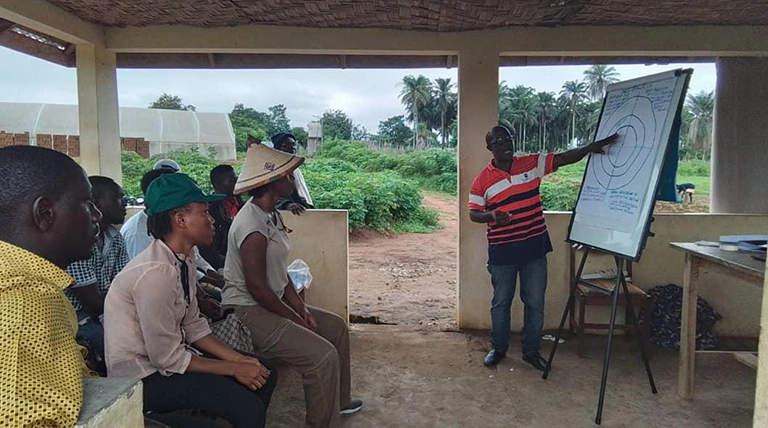
By developing entrepreneurs, trainers, and leaders who drive agribusiness growth
Strengthening institutional performances
supporting incubators, training institutions, and ecosystem actors
Enabling market integration
connecting value chains and improving access to markets and finance
How We Work: A Systems Active Approach
Our work is anchored in the 5A Implementation Framework, a structured methodology that enables countries and institutions to move from fragmented interventions to coordinated action:
Impact in Numbers
Across West and Central Africa, the program is delivering measurable results:
Entrepreneurs strengthened across Sierra Leone, Gabon, and Burkina Faso
Practitioners engaged through a continental Community of Practice, improving knowledge exchange and sector coordination under WAAVP-AN
Certified trainers extending knowledge into communities
Leaders, trainers, and coaches strengthened local ecosystems, sustaining knowledge transfer and enterprise growth within communities
Agribusinesses supported for investment readiness, with 14 women and youth-led enterprises accessing financing to expand production and value addition
Multi-country livestock research projects implemented across 14 countries, strengthening agricultural productivity and disease management systems
Country-level impact includes:
Burkina Faso
Gabon
Sierra Leone
Beyond enterprise support, ACBF is also investing in system-wide enablers.
Beyond Agribusiness: Advancing Food Sovereignty
This work is about more than improving productivity. It is about enabling countries to:
- Reduce reliance on food imports
- Strengthen local value chains
- Build resilience to climate and market shocks
- Create inclusive opportunities for women and youth
In doing so, ACBF supports a shift from fragmented agricultural systems to integrated, resilient, and self-sustaining food systems across Africa.