
ACBF, the Government of Benin and the African Union will convene policymakers, think tank representatives, investors and development partners in Cotonou from 28 to 30 October 2026.
COTONOU, Republic of Benin, [20/10/26] – The African Capacity Building Foundation (ACBF), in collaboration with the Government of the Republic of Benin and the African Union, will convene the 12th Africa Think Tank Summit in Cotonou from 28 to 30 October 2026. The Summit will focus on practical reforms that can make reliable and affordable energy a stronger driver of industrialization, competitiveness and inclusive growth in Africa.
Held under the theme “From Energy Access to Economic Transformation: Practical Policy Pathways for Power Sector Viability, Growth, and Reform in Africa,” the 2026 Summit will bring together some 300 policymakers, researchers, private investors and development partners from more than 50 countries to move the energy debate beyond broad commitments towards concrete reforms that improve utility performance, strengthen enabling policy and regulatory environments, and attract investment.
Africa’s energy challenge goes beyond access. Nearly 600 million people in sub-Saharan Africa still live without electricity, while many businesses resort to costly self-generation because public power supply remains unreliable. The Summit will examine reforms to strengthen utility viability, mobilize private capital, expand regional power trade and broaden access to clean cooking solutions.
The three-day program will feature a high-level opening ceremony, a ministerial roundtable, plenary sessions, technical breakout sessions and reform-focused workshops. A dedicated research session will also present findings from the three consortia of the Africa Think Tank Platform (ATTP) Project.
For ACBF, the Summit reflects its broader role in strengthening the institutions, expertise and policy capabilities needed to translate Africa’s development priorities into implementation. By bringing together policymakers, think tanks, regulators, investors and development partners, the Summit will connect African evidence and expertise with the institutions and actors responsible for delivering reform.
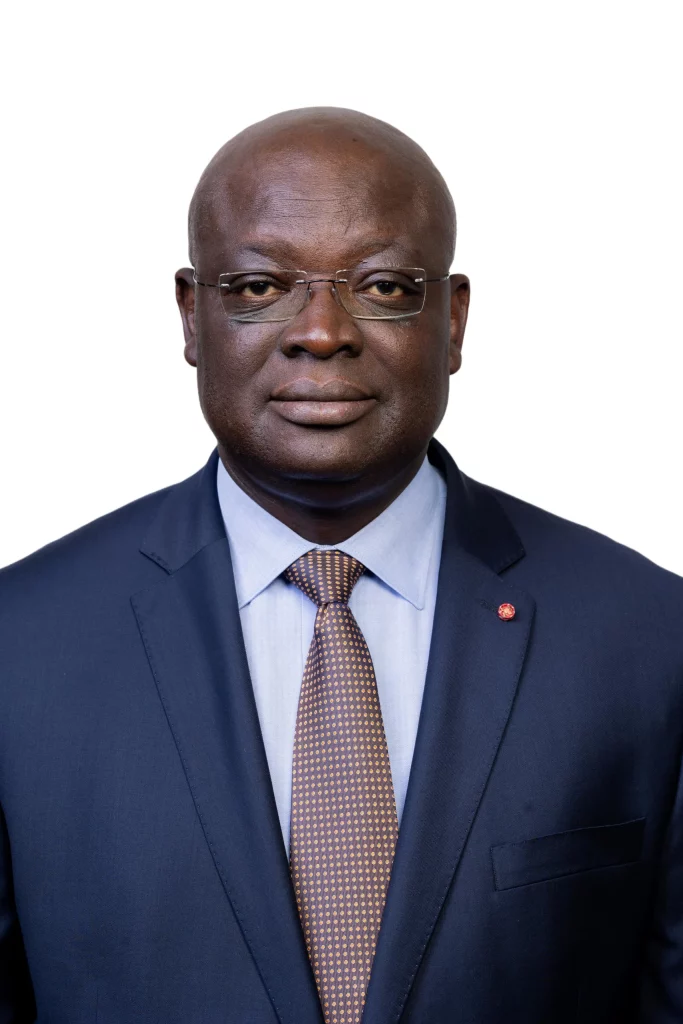
Reliable and affordable electricity is essential to Africa’s structural transformation. But access alone will not deliver that transformation. We need institutions capable of implementing reform, utilities that can deliver sustainably, and African evidence that informs the decisions being made. This Summit is about bringing those elements together and moving from ambition to implementation.
Mamadou Biteye
Executive Secretary of ACBF
The Summit will connect national reform efforts with the African Union’s broader agenda for regional integration and cross-border electricity trade.
Access to modern, reliable energy at scale supports the industrialization and integration goals of Agenda 2063. The African Union is supporting efforts of Member States to promote regional power pools and cross-border electricity trade. This Summit will advance that agenda through evidence and dialogue.
H.E. Ambassador Selma Malika Haddadi
Deputy Chairperson of the African Union Commission

Effective regulation will also be a key part of the discussions, particularly in addressing the financial sustainability and performance of Africa’s power sector.
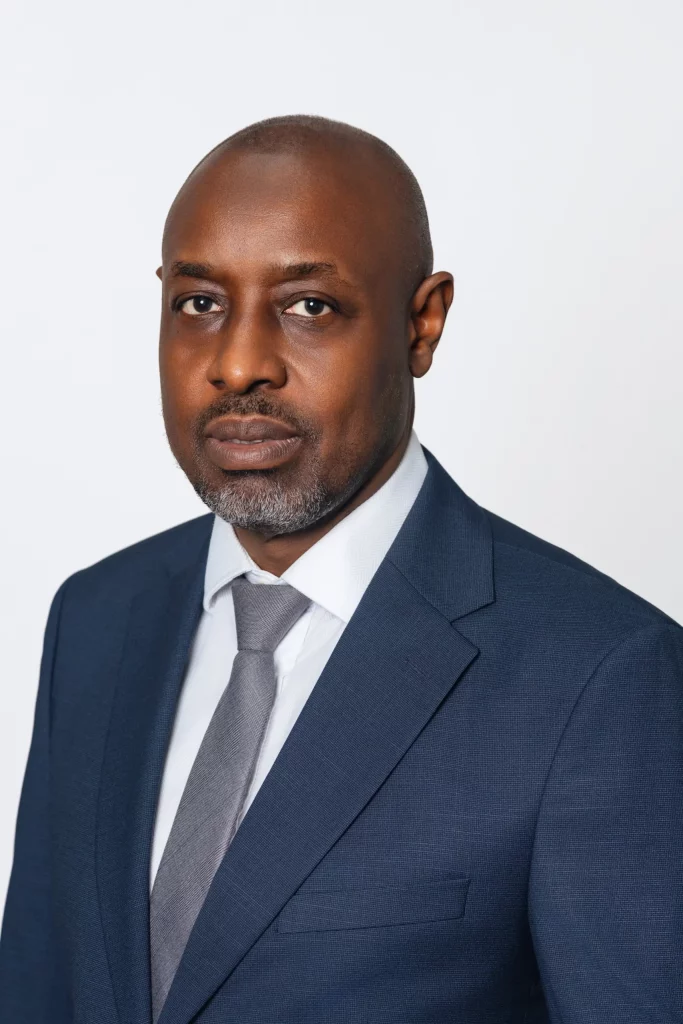
Effective regulation is essential to building financially viable energy utilities, attracting investment, and ensuring reliable, affordable electricity. The Summit offers an important platform to advance practical, evidence-based reforms that accelerate Africa’s energy transformation.
Dr. Abdulkadir Shettima
Director of the African School of Regulation (ASR)
As host country, Benin will bring its experience in infrastructure, governance and energy reform to the continental discussions.
Benin is proud to welcome the continent’s premier think tank gathering to Cotonou. Our reforms in infrastructure, governance and energy reflect the priorities at the heart of this Summit, and we invite delegates to share solutions that deliver tangible results for citizens.
H.E. Aristide Medenou
Minister of Economy and Finance, in charge of Cooperation, Government of the Republic of Benin

Financing and risk mitigation will be central to discussions on how to move viable energy and infrastructure projects to the investment stage.
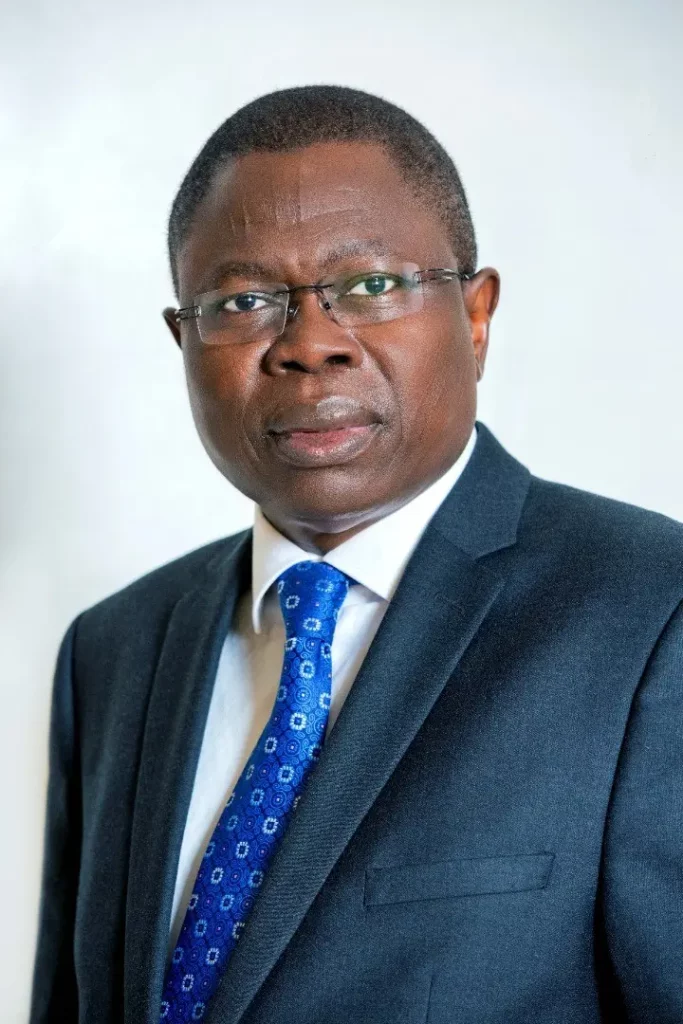
Africa’s energy transition requires financing mechanisms that can better share risks and reduce the cost of capital. Through its risk-mitigation instruments, particularly guarantees, and its capacity to mobilize resources, FAGACE brings together banks, financial markets and private investors around transformative energy and infrastructure projects. By participating in this Summit, the Fund reaffirms its pan-African mandate: to facilitate access to financing and support inclusive and sustainable growth across its Member States.
Dr Ngueto Tiraïna Yambaye
President of the African Guarantee and Economic Cooperation Fund (FAGACE)
The Summit will bring policy, institutional, regulatory and financing perspectives together in a single dialogue, with a focus on how energy access can translate into productive use, stronger industries and inclusive economic growth.
The 2026 Africa Think Tank Summit will be held in English and French, with in-person participation in Cotonou and virtual access. Policymakers, researchers, development partners and other stakeholders can access the program and registration information at africathinktanksummit.org. Accredited journalists may request interviews and media resources from the ACBF Communications Unit.
For further information or media enquiries, please contact:
Fatou Diouf
Head of Communications and Influencing
African Capacity Building Foundation
Communications Unit email: comms@theacbf.org
Website: www.theacbf.org
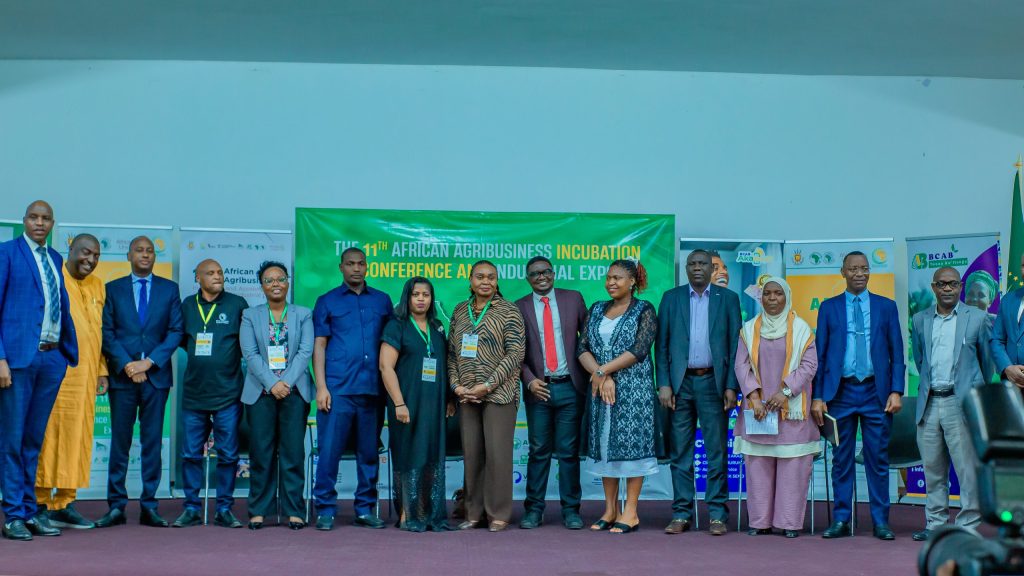
For smallholder dairy farmers supplying Happy Cow Ltd in Kenya, getting milk from the farm to the market before it spoils can determine whether a day’s production generates income or becomes a loss.
A community refrigeration hub established by Happy Cow Ltd is helping address this challenge by keeping milk cold longer, reducing post-harvest losses, and helping smallholder farmers preserve the value of their produce until it reaches buyers.
This practical solution was one of the examples the African Capacity Building Foundation (ACBF) highlighted at the 11th African Agribusiness Incubators Conference and Expo, held from Aug. 4 to 6, 2026, in Bujumbura, Burundi.
ACBF participated in the conference in partnership with the Agri-Business Facility for Africa (ABF), alongside the German Corporation for International Cooperation (GIZ) and ABF Matching Grant Fund partners from Burundi, Kenya, Senegal, and Togo.
More than 500 policymakers, investors, incubator managers, financial institutions and entrepreneurs attended the conference under the theme “Advancing Incubation and Acceleration Ecosystems for Job Opportunities in Africa.”
ACBF is working to address the barriers that prevent agribusiness enterprises led by young people and women from scaling, including weak business management, limited investment readiness, gaps in governance and internal systems, and inadequate links to markets and finance.
Building the capacity behind viable agribusinesses
Dr. Linda Etale, ACBF Climate Change Program Officer and ABF Project Coordinator, addressed these constraints during a plenary session on functional input and output markets and trade.
Drawing on lessons from the ABF Project, Etale highlighted how targeted capacity building can strengthen women- and youth-led small and medium-sized enterprises by improving business management, governance and investment readiness, while connecting them to financing and climate-resilient practices.
Women and youth are the backbone of Africa’s agricultural sector, yet they face persistent barriers to scaling their enterprises
Dr. Linda Etale
ACBF Climate Change Program Officer and ABF Project Coordinator
Etale noted that the ABF Project has shown that combining these interventions with access to guarantee funds can help enterprises overcome barriers to growth and “unlock their potential” to drive inclusive industrial transformation and create sustainable jobs.
Her intervention connected enterprise capacity directly to economic outcomes. Businesses with strong management, governance and investment readiness are better positioned to access finance, establish market and investor relationships and compete in regional value chains.
During a panel discussion on financing and investment for environmentally sustainable jobs, Dr. Bernard Agbo, Advisor at GIZ, highlighted the Matching Grant Fund as a catalytic financing instrument that can help address financing constraints facing MSMEs.
He also pointed to the Investment Readiness Program as a mechanism for preparing enterprises to attract, access and secure investment.
That connection between capacity and results was also visible through ABF-supported enterprises represented at the conference.
At a joint ACBF, GIZ and ABF exhibition stand, Matching Grant Fund partners showcased work in cocoa, maize and livestock value chains.
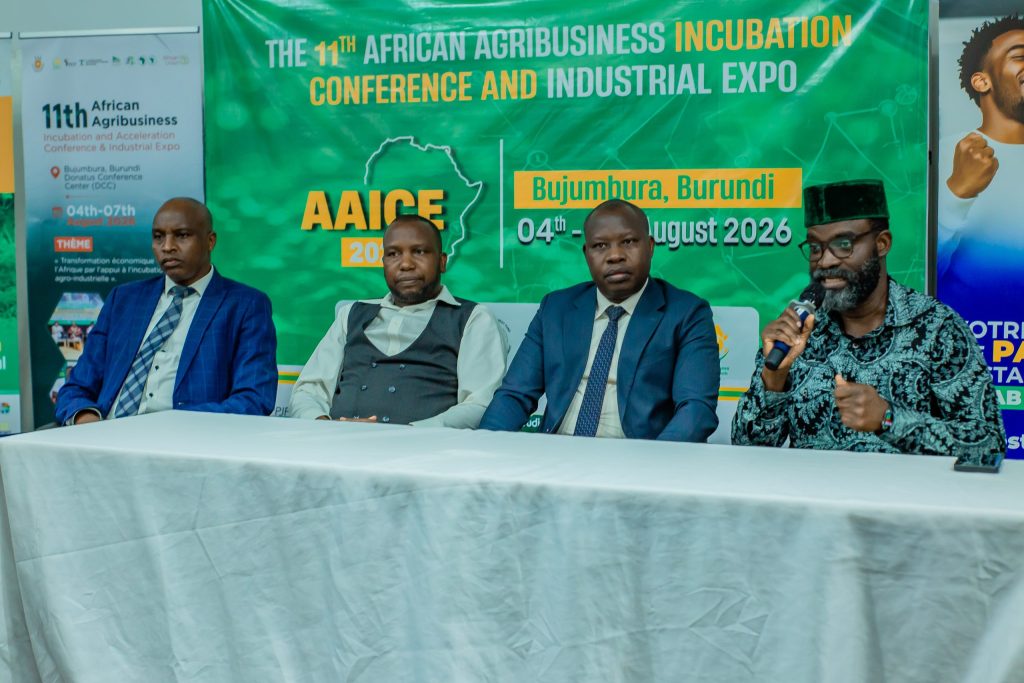
They included Joyce Kinyanjui of Happy Cow Ltd in Kenya, Kadidiatou Doucoure of COFEPAK Cooperative in Senegal, Tiba Chrystele Kutolbena of Tout pour la Cosmétique in Togo, and Christella Ndayishimiye from Burundi.
Their participation gave potential investors, collaborators and other conference delegates an opportunity to engage directly with enterprises applying capacity-building support in their businesses and communities.
Turning knowledge into practical value
ACBF Information Management Associate Grand Mutondo brought the Happy Cow experience into a second plenary discussion on the African Continental Free Trade Area (AfCFTA) and wealth creation.
Mutondo argued that knowledge management should be treated as a strategic tool for agribusiness incubators rather than an administrative function. Effective use of knowledge, data and digital platforms can help incubators improve their services, support stronger business decisions and provide entrepreneurs with relevant market intelligence.
The refrigeration hub in Kenya demonstrated what that can mean in practice. Identifying a specific constraint in the dairy value chain and applying a practical solution has helped reduce losses and improve livelihoods for smallholder producers.
Without mechanization, communities in Africa may not create wealth. The gap between Africa’s 16% intra-continental trade and Asia’s 59%, or Europe’s 68%, represents a massive, missed opportunity for wealth creation.
Grand Mutondo
ACBF Information Management Associate
He said the AfCFTA presents “a historic chance to close this gap,” but its success depends on agri-MSMEs that can produce competitively and institutions capable of generating, managing and applying knowledge to practical challenges.
He added that practical solutions such as the Happy Cow refrigeration hub demonstrate how knowledge sharing and appropriate technologies can help communities strengthen resilience and improve economic outcomes.
Moving partnerships from dialogue to action
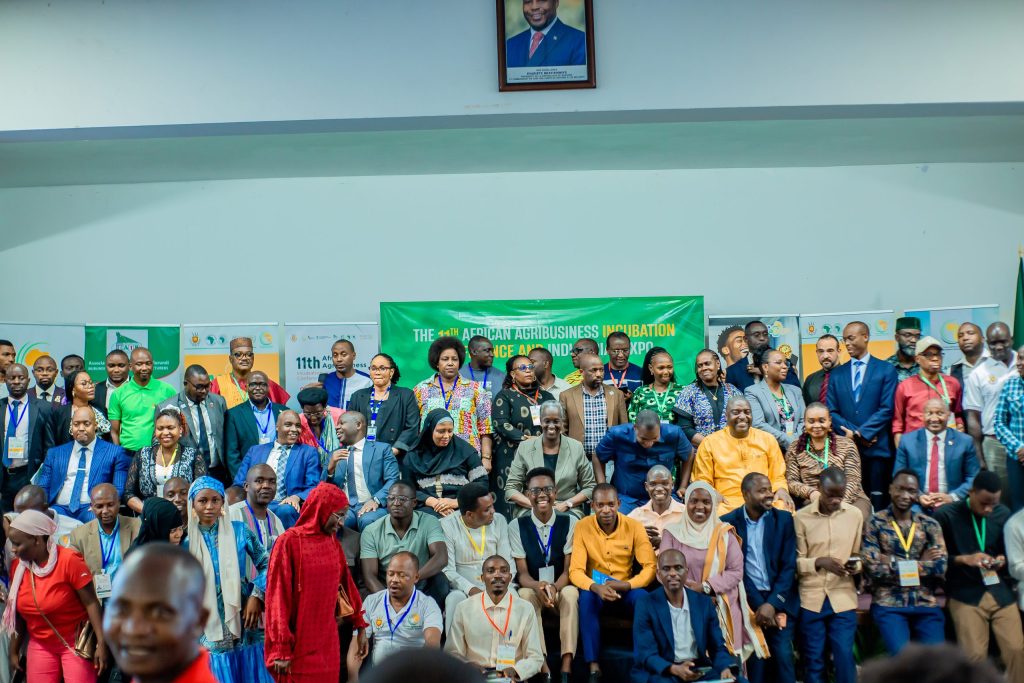
ACBF’s participation also produced institutional commitments intended to extend the impact beyond the three-day conference.
A bilateral meeting between African Capacity Building Foundation and the African Agribusiness Incubation Network, led by AAIN CEO Prof. Alex Ariho, reinvigorated an existing memorandum of understanding between the two institutions.
The renewed engagement identified specific areas for collaboration, including the development of a joint index, the establishment of an Incubation Academy, resource mobilization and the development of Regional Centres of Excellence.
These proposed initiatives provide a pathway for ACBF and AAIN to strengthen the institutions that support agribusiness entrepreneurs and improve how knowledge and capacity-building approaches are developed and shared.
AAIN also expressed interest in more consistent ACBF participation in future editions of AAICE, including the next conference in Addis Ababa, Ethiopia.
ACBF also held exploratory discussions with African Risk Capacity Limited. The meeting identified a potential entry point for collaboration through Burundi’s Ministry of Finance and opened discussions on strengthening institutional capacity for disaster risk preparedness and management, particularly the ability to anticipate, manage and recover from climate-related shocks.
The next milestone
The immediate task following AAICE 2026 is to turn the relationships and proposals developed in Bujumbura into implementable initiatives.
Priority follow-up actions include advancing engagement with AAIN on the proposed Incubation Academy, joint development index, resource mobilization and Regional Centres of Excellence. ACBF will also pursue further engagement with ARC Ltd and develop knowledge products on mechanization and AfCFTA-driven wealth creation for the agribusiness incubation community.
Stronger enterprises need strong institutions, access to usable knowledge, better connections to markets and finance, and practical solutions that address specific constraints within their value chains.
Keeping milk cold long enough to reach the market shows what practical problem-solving can mean for dairy farmers supplying Happy Cow Ltd.
ACBF and its partners will build on this approach by extending capacity, knowledge and practical solutions to more agribusiness enterprises and institutions, with the aim of creating jobs, strengthening businesses and building more resilient livelihoods across Africa.
The African Capacity Building Foundation (ACBF) and the African Union Commission (AUC) conducted a high-level training seminar on the African Carbon Market. Hosted at the African Union Headquarters in Addis Ababa. This pivotal institutional initiative convened over 80 high-profile participants, including African Ambassadors, senior diplomats accredited to the AU, and key policy experts from across the continent. The event aligns with the implementation of the Africa Action Plan on Carbon Markets (AAPCM), endorsed by the AU Assembly in 2025, to provide strategic guidance for the continent’s effective participation in carbon markets.
This high-level training session comes at a critical juncture following major international climate milestones, notably the landmark decisions adopted under Article 6 of the Paris Agreement at COP29 in Baku, which are projected to unlock up to US$1 trillion annually in global climate finance by 2050.
Speaking during the opening session, H.E. Moses Vilakati, African Union Commissioner for Agriculture, Rural Development, Blue Economy and Sustainable Environment, emphasized the importance of ensuring that Africa’s engagement in carbon markets is guided by strong governance principles and continental frameworks.
Our collective approach must continue to be guided by our continental frameworks. These frameworks require us to safeguard ecosystem integrity, ensure genuine Free, Prior and Informed Consent (FPIC), and guarantee transparent and equitable benefit sharing mechanisms that support indigenous peoples and local communities
H.E. Moses Vilakati
African Union Commissioner for Agriculture, Rural Development, Blue Economy and Sustainable Environment
He further highlighted that effective oversight, transparency, and accountability are essential to ensure that carbon markets deliver meaningful benefits for African countries while supporting global climate goals.
Recognizing that carbon markets have shifted from a niche environmental mechanism to a cornerstone of geopolitical and economic strategy, the training focused on equipping Africa’s primary diplomatic emissaries with the technical, policy, and strategic insights needed to navigate and champion these complex frameworks.
Climate finance is becoming increasingly central to Africa’s development agenda, and capacity development must remain at the heart of our response. When Africa has the right capacities, Africa can better shape its own future.
Ambassador Laho Bangoura
Special Adviser to the Executive Secretary and Head of the AU Liaison Office at the African Capacity Building Foundation (ACBF)
Throughout the seminar, participants examined key aspects of carbon markets, including the distinction between compliance and voluntary carbon markets, international regulatory frameworks, opportunities for African countries, and lessons from successful African-led carbon initiatives. Discussions also focused on strengthening safeguards, ensuring transparency, protecting community
rights, and promoting equitable benefit-sharing from carbon market revenues to support climate resilience and local development.
The seminar also explored opportunities arising from increased global demand for high-integrity carbon credits and the importance of strengthening Africa’s institutional, technical, and diplomatic capacities to ensure that the continent actively participates in shaping the future of carbon markets.
By strengthening the knowledge and capacity of Africa’s diplomatic representatives, the African Capacity Building Foundation, the African Union Commission, and their partners are contributing to a coordinated continental approach that promotes environmental integrity, supports climate finance mobilisation, and advances Africa’s sustainable development objectives.
As the Presidency of COP29, Azerbaijan consistently sought to ensure that the voices and priorities of climate-vulnerable countries remained at the center of the global climate agenda.
H.E. Ruslan Nasibov
Ambassador of the Republic of Azerbaijan.
The Government of Azerbaijan supported the training through the Azerbaijan International Development Agency (AIDA), reaffirming its commitment to strengthening international cooperation on climate action and sustainable development.
About the African Capacity Building Foundation (ACBF)
The African Capacity Building Foundation (ACBF) is the leading institution for capacity development on the African continent. As a Specialized Agency of the African Union, ACBF enables transformative human and institutional development by designing and implementing impactful programs across Africa. Guided by the vision of an Africa that is stronger, self-reliant, and globally competitive by 2063, ACBF contributes to building economic resilience, advancing sustainable trade, strengthening food sovereignty, and promoting effective governance. With more than 33 years of experience and a continent-wide mandate, ACBF equips African institutions and leaders with the skills, knowledge and tools needed to drive inclusive and sustainable development.
About the African Union Commission (AUC)
The African Union Commission (AUC) serves as the secretariat of the African Union and supports Member States in advancing continental priorities under Agenda 2063. Through the Department of Agriculture, Rural Development, Blue Economy and Sustainable Environment (ARBE), and its Directorate of Sustainable Environment, the AUC supports the implementation of the African Union Climate Change and Resilient Development Strategy and Action Plan. The Directorate contributes to strengthening Africa’s climate governance frameworks, supporting access to climate finance, and promoting sustainable approaches to carbon markets that protect ecosystems, communities, and development priorities.
About the Azerbaijan International Development Agency (AIDA)
Established in 2011, the Azerbaijan International Development Agency (AIDA) operates under the Ministry of Foreign Affairs of the Republic of Azerbaijan and provides development and humanitarian assistance aimed at supporting international cooperation and sustainable development. Through its engagement in climate-related initiatives, AIDA contributes to strengthening partnerships and supporting climate resilience efforts in developing countries.
For more information or media inquiries, please contact:
Fatou Diouf
Head of Communications & Influencing
African Capacity Building Foundation
Communications Unit Email: comms@theacbf.org
Website: www.theacbf.org
Researchers, development partners and water sector experts from across Africa convened for a high-level policy dialogue on science, technology and financing solutions for water security and sanitation, with speakers stressing that the continent must increasingly finance its own water future.
The session, co-organized by the African Capacity Building Foundation (ACBF) and the U.N. Office of the Special Adviser on Africa (UN-OSAA) on Feb. 27, 2026, examined how governments can scale innovation while building the institutions and financing systems needed to sustain it. The webinar was held in partnership with the African Technology Policy Studies Network (ATPS), the Advocates Coalition for Development and Environment (ACODE), and the Cellule d’Analyse de Politiques Economiques du CIRES (CAPEC).
The dialogue came as African governments and development institutions intensify efforts around the African Union’s 2026 theme, “Assuring Sustainable Water Availability and Safe Sanitation Systems to Achieve the Goals of Agenda 2063,” and Sustainable Development Goal 6 on clean water and sanitation.
Barassou Diawara, ACBF’s senior knowledge management expert and coordinator of the Africa Think Tank Network, who moderated the session, said it formed part of broader efforts to strengthen evidence-based policymaking and connect African think tanks to continental and global development processes.
According to figures cited during the discussion, nearly 411 million Africans still lack access to safely managed drinking water, while more than 700 million lack safely managed sanitation services. Participants also cited an annual water investment gap of between US$30 billion and US$50 billion.
Muyatwa Sitali, acting CEO of Sanitation and Water for All, argued that shrinking aid flows and rising debt burdens make domestic financing strategies increasingly urgent.
Strong public policy and financing discipline remain essential to mobilize the scale of resources required, Sitali said, especially at this time with huge debt problems as well as the diminishing aid environment.
Muyatwa Sitali

He said governments must stop treating water and sanitation as social expenditures and instead recognize them as long-term investments tied directly to economic productivity, public health and climate resilience.
Juliet Wasswa-Mugambwa, Senior Program and Management Officer at the U.N. Office of the Special Adviser on Africa, linked the discussion to a wider continental agenda that will continue throughout the year during regional and global development forums.
She urged governments to prioritize innovation, financing, and human capital while ensuring women and young people remain central to water policy discussions. Wasswa-Mugambwa also pointed to the role artificial intelligence and machine learning could play in improving water management systems.
Four Financing Models Already Delivering
The discussion highlighted several financing approaches already operating across Africa.
Kenya and South Africa were cited as examples of domestic capital market mobilization in the water sector. Kenya’s water sector trust fund allows utilities to access credit through structural guarantees, while South African municipalities are using catalytic financing instruments to attract private investment into water infrastructure.
Rwanda’s national utility group was highlighted for financing solar-powered water kiosks and small pipe schemes in underserved communities through reimbursable grants and resource-based financing systems.
Senegal was presented as another example, using a tariff cross-subsidy system that protects low-income households while maintaining the financial viability of infrastructure. Under the arrangement, public institutions retain ownership of infrastructure while private operators help finance service delivery.
At the regional level, speakers pointed to the West African Development Bank (BOAD)’s efforts to pool water financing under the Economic Community of West African States (ECOWAS) frameworks to support transmission and network projects across member states.
Diawara drew a direct lesson from the models that emerged during the discussion.
If a country is struggling with financing or needs a more innovative public-private partnership model, it could just look to Senegal as an example, he said. Solutions are really within the continent.
Barassou Diawara
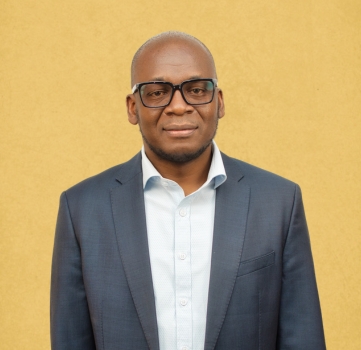
The Creditworthiness Precondition
Several participants argued that financing challenges stem from institutional weakness. Across much of Africa, water utilities remain heavily dependent on government transfers, carry significant debt burdens and often lack the financial reporting systems required to attract institutional investors.
International Development Professional, from Ernstbridge Consult, Ernest Acheampong said procurement systems remain part of the problem because many governments continue to prioritize the lowest upfront costs when purchasing technology or infrastructure. That approach, he argued, often excludes technologies that cost more initially but generate greater savings over time.

Acheampong pointed to reforms underway in Kenya and South Africa, including build-operate-transfer arrangements and metering-as-a-service systems that shift some financial risk to private-sector operators.
Nigeria’s InfraCredit facility was also discussed as a possible model for wider replication. The mechanism provides local currency guarantees that allow pension funds and insurance companies to invest in long-term infrastructure projects.
A lot of our pension funds are stuck somewhere or are being invested in things that are not yielding profit. If you build institutions within government that are creditworthy and can provide financial guarantee in the long term, it becomes easier to attract investment.
Enerst Acheampong
Technology Requires Financing to Sustain It
The webinar also examined how technology could improve water management across the continent.
Constantine Crowner Mbajiorgu of the University of Nigeria highlighted geospatial water management platforms already being used in parts of Southern Africa to support strategic planning and crop-water management.
Mbajiorgu said future infrastructure projects must integrate both historical climate data and projected climate conditions if countries hope to build resilience against droughts and floods.
Adey Feleke, Associate Professor at the African Center of Excellence for Water Management at Addis Ababa University, argued that technology works best when integrated with local knowledge and community participation.
We bring technology. We bring innovations, she said. But we synchronize that technology and innovation with community knowledge. That makes it context driven.
Adey Feleke

Participants also discussed solar-powered pumping systems, smart metering and digital monitoring tools designed to reduce non-revenue water losses, which in some African countries account for up to half of treated water supplies.
Sitali cautioned that technology alone cannot solve the continent’s water challenges. He said some countries introduced mobile-based monitoring systems without ensuring communities had the infrastructure or financing needed to sustain them.
A very good idea became unsustainable because the financing and the infrastructure behind it had not been put in place,
Muyatwa Sitali
Alban Ahoure, director of the CIRES Economic Policy Analysis Unit (CAPEC) and professor of economics at Université Félix Houphouët-Boigny in Côte d’Ivoire, framed water access as both an economic and geopolitical issue.
He said inadequate water infrastructure already costs sub-Saharan African economies an estimated 5% of GDP annually and warned that competition over water resources could intensify in the coming decades.
“How can we guarantee universal access to safe drinking water and sanitation in the context of climatic and demographic pressure?”
Alban Ahoure
He argued that science, technology, and innovation can help address these pressures but said progress requires supportive policies, adequate financing, and strong institutional cooperation.
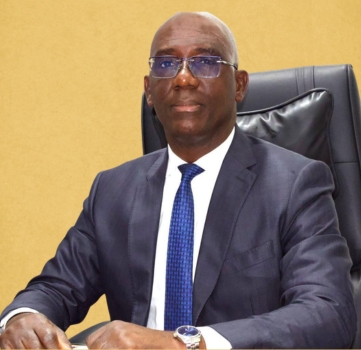
Aligning With the Continental Vision
Africa’s water financing challenge does not sit apart from its continental policy architecture. The Africa Water Vision 2063, adopted as a common continental position, provides the framework for designing national financing strategies.
Countries that align their water policies with that vision gain the credibility to access African Development Bank financing and other continental instruments at a scale that bilateral arrangements cannot replicate.
The African Development Bank has placed water security at the center of its Ten-Year Strategy for 2024 to 2033 and invests approximately US$2.8 billion annually in water-related resilience projects. The Bank also hosts and manages the African Water Facility, which has financed 138 water and sanitation projects across the continent.
Acheampong put the question directly to finance ministries and heads of state. “Countries have water policies right now,” he said. “The question is whether those policies are aligned with the current vision of Agenda 2063.”
Watch the full Webinar here:
The African Capacity Building Foundation (ACBF) joined governments, civil society organizations, youth groups and global health actors in Geneva from Nov. 17 to 22, 2025 for the eleventh session of the Conference of the Parties (COP11) of the WHO Framework Convention on Tobacco Control.
The conference concluded with a series of decisions that reinforce global commitment to reducing tobacco use and protecting public health. It provides an essential framework for addressing the harms caused by tobacco.
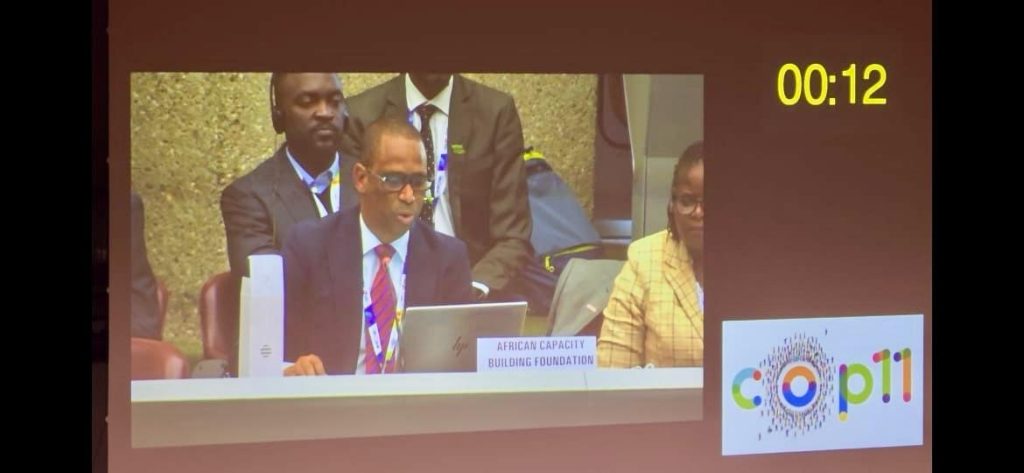
While the Convention sets global standards, its effectiveness in Africa depends on the strength of institutions responsible for implementing and enforcing its measures. The continent’s progress will continue to rely on the systems, skills and leadership structures that translate commitments into sustained action.
Across many African countries, novel nicotine products are expanding, youth exposure is rising, and cross-border challenges require coordinated responses. Demographic growth adds urgency, with millions of young people entering adulthood at a time when industry influence is becoming more sophisticated. This reality positions institutional resilience as one of Africa’s most critical public health priorities.
Capacity-Building Impact
For more than a decade, ACBF has supported governments, civil society organizations, think tanks, and regional knowledge hubs in developing the institutional and human capabilities needed to implement the Convention.
This support reflects ACBF’s broader mandate as the African Union’s specialized agency for capacity development and reinforces the idea that sustainable tobacco control is inseparable from strong systems, skilled professionals, and coordinated governance.
ACBF’s work focuses on strengthening institutional and human capacity by supporting civil society organizations, think tanks, regional knowledge hubs and national systems with training, evidence, tools and coordination mechanisms that reinforce effective implementation of the Convention.
This approach aligns with the African Union’s Agenda 2063 and supports global commitments under the Sustainable Development Goals, both of which place capable institutions and strong public health systems at the center of Africa’s long-term development aspirations.
Knowledge remains a key foundation of effective tobacco control. ACBF has supported the production and dissemination of more than 300 tobacco control related knowledge products, offering policymakers, researchers and advocates data, guidance and evidence that inform regulatory measures and enhance public awareness efforts.
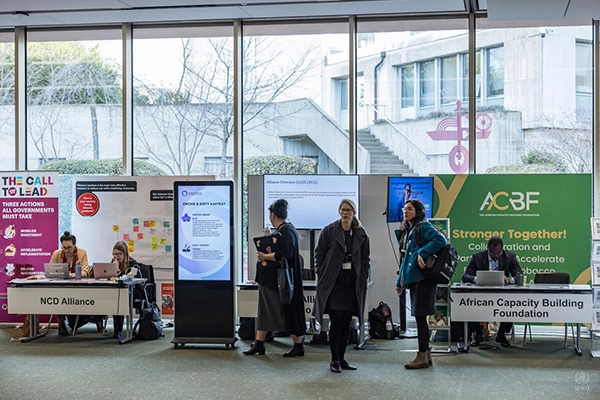
ACBF has strengthened the capacity of more than 100 civil society organizations and research centres, supported over 20 countries in adopting or implementing tobacco control policies, and engaged over 60 think tanks in awareness and advocacy activities to promote tobacco control research. The Foundation has also trained more than 20 professionals in tobacco control, contributing to stronger systems, improved coordination and long-term implementation across countries.
These achievements demonstrate that capacity building is a practical and proven path for countries seeking to advance tobacco control, protect young people and reinforce national health priorities.
ACBF at COP11
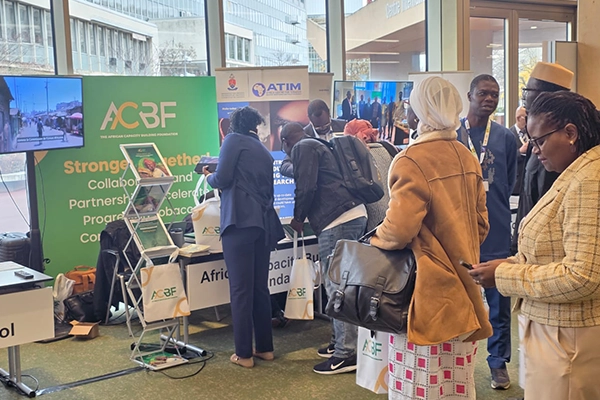
COP11 offered a timely platform to highlight the importance of these contributions. As parties reviewed global progress and considered new measures to address emerging products, ACBF emphasized that sustained investment in institutional capacity is essential for meaningful implementation. Countries require continuity, skilled teams and coordinated systems to enforce regulations, monitor industry practices and safeguard communities from harmful products.
Throughout the week, the ACBF delegation engaged with governments, youth representatives, NGOs and technical partners, reinforcing the Foundation’s role as a continental leader in capacity development for tobacco control. At the ACBF booth, delegates accessed the 2024 annual report, the knowledge products developed on tobacco control-related issues and tools that have supported governments and organizations across Africa.
Based on observations during the event, the ACBF booth welcomed an estimated average of 80 visitors per day, making it one of the most visited at COP11. This strong engagement reflected the high interest in ACBF’s work on tobacco control and capacity building across Africa. Delegations from several African countries, as well as from Latin America, China, France, Canada and Spain, showed particular interest in learning about ACBF’s programs and institutional strengthening initiatives.
A side event hosted by ACBF showcased examples of institutional strengthening from regional partners. The session illustrated how targeted capacity building improves credibility, sustainability and policy influence, demonstrating the tangible results of long-term investment in institutional strengthening.
A Global Health Treaty with Continental Relevance
Participation across COP11 was broad, with governments, NGOs, youth voices and observers contributing to discussions and side sessions on issues central to the Convention. The WHO FCTC remains the first public health treaty negotiated under the WHO’s auspices, with 183 parties covering 90 percent of the global population. It offers a legal framework and comprehensive measures ranging from large pictorial warnings to smoke-free laws and higher tobacco taxes, measures that have already saved millions of lives.
For Africa, the treaty’s full potential can only be realized when institutions are strong enough to implement it consistently and sustainably. This is where ACBF’s mandate intersects most clearly with global health and development priorities.
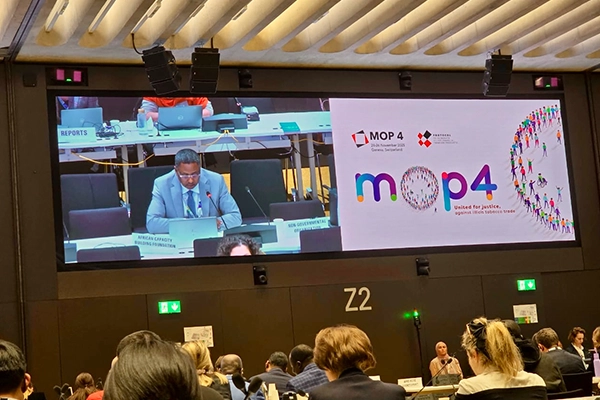
Effective tobacco control in Africa requires strong institutions, skilled professionals and sustained collaboration. While the Convention provides direction, long-term progress depends on the systems and people responsible for carrying it out.
ACBF remains committed to supporting countries and regional organizations as they work to strengthen their institutional foundations, build capabilities and invest in sustainable implementation. Africa’s tobacco control future will be shaped by the strength of its systems and the long-term investments made today to protect present and future generations.
The African Capacity Building Foundation (ACBF) has learned with deep sadness of the untimely passing of Dr. Soumana Sako, former Executive Secretary of the Foundation, and pays tribute to a distinguished servant of the African continent.
An accomplished economist, statesman, and visionary leader, Dr. Sako left an indelible mark on the history of capacity development in Africa. His tenure as Executive Secretary was instrumental in strengthening ACBF’s strategic role as the continent’s leading institution for capacity building, institutional development, and good governance.
Under his leadership, the Foundation steadfastly pursued its mission to equip African countries with the human, institutional, and policy capacities necessary to effectively implement their development agendas.
Dr. Sako will be remembered as a man of integrity, dedication, and unwavering commitment to Africa’s self-reliant development. His vision of a strong, resilient, and confident Africa continues to inspire the development community and future generations of African leaders.
The Foundation bows in respect to his memory and extends its heartfelt condolences to his family, friends, and former colleagues and partners.
May his soul rest in peace, and may his legacy continue to guide our collective efforts to strengthen capacity across Africa.
Done in Harare on 16 October 2025
Thinks tanks play a supporting role in providing evidence-based research policy analysis and guidance for the effective implementation of the Africa Continental Free Trade Agreement (AfCFTA), key African leaders of the think tank community have said.
In a round table plenary of the recently held 9th edition of the Africa Think Tank Summit in Zambia between the 8th and 10th of November 2023, five key leaders of African think tanks concurred that AfCFTA implementation provides a platform for think tanks and governments to collaborate.
The round table comprised of Mr Garba Abdoulahi; Coordinator, Cellule d’Analyse des Politiques publiques et d’Evaluation de l’action Gouvernementale (CAPEG) based in Niger; Mrs. Odilia Gnassingbé; Executive Director, CADERDT in Togo; Dr. Rose Ngugi; Executive Director, the Kenya Institute of Public Policy Research and Analysis (KIPPRA) in Kenya; Dr. Briggs Bomba Programs Director TrustAfrica based in Senegal and Mr. Sydney Mwamba, Executive Director, Policy Monitoring and Research Centre (PMRC) in Zambia.
Dr Rose Ngugi said think tanks were knowledge hubs which should take a deliberate move and invest in making stakeholders and citizens understand what AfCFTA was all about. The KIPRA director also said think tanks were supposed to generate knowledge, share and interpret laws, rules and policies required of stakeholders.
“There is need to work together in the monitoring platform by putting together tools for monitoring the implementation both at the local and regional levels. It is at the think tank level that we can start identifying the key indicators that we can put into the platform and see how we deal with the policy surveillance on things that are emerging, actions that have been taken, new trends that are coming up and all these things will help support the policy makers in monitoring the national implementation process both at the national and regional level,” said Ngugi.
Mr Garba Abdoulahi said think tanks were laboratories for new ideas and innovations as they inform the public input on public policies. He also said think tanks were crucial platforms for dialogue because they were the intersections between world politics, the media and civil society.
“There is need to adopt different approaches of think tanks as they provide analysis and evidence and come out with recommendations for different players and the public,” said Abdoulahi.
Mrs. Odilia Gnassingbe complemented Abdoulahi’s observation, reiterating that think tanks were very critical in the implementation of the AfCFTA, especially for the private sector which she said was very limited in the input and consultation processes of the AfCFTA.
“A study carried out by the Pan-African Private Sector Trade and Investment Committee (PAFTRAC) in 2023 show that 85% of private sector do not have information pertaining to the AfCFTA and this shows why think tanks are very important in the providence of information,” said Gnassingbé.
Programs Director for TrustAfrica Dr Briggs Bomba said there was a need for evidence-based advocacy and policy-making on the continent because most of the time, knowledge used in Africa was generated from an alien context of African requirements.
“Knowledge institutions have a role in contextualising the AfCFTA into the African realities so that whatever policy prescriptions we have come up with are reflective with the specifics that exist on the continent,” said Bomba.
Executive Director of the Policy Monitoring and Research Centre (PMRC) Mr. Sydney Mwamba said think tanks were key engines for new ideas, problem framing, agenda setting, solution searching and the push for public policies to implement and monitor the outcomes of the ideas produced.
Mr Mwamba said African think tanks should be the source of knowledge for the generation of policies regarding the domestication of AfCFTA, its implementation, monitoring and evaluation at the national level, regional and continental levels.
The African Capacity Building Foundation’s (ACBF) deliberate investment in the development of think tanks has accelerated Africa’s developmental trajectory, given the criticality of think tanks in the providence of a dynamic space of intellectual inquiry that helps refine ideas and translate academic arguments into policy-relevant recommendations; promote exchange of lessons and experiences among experts and decision-makers.
———-END——–
For more information, contact:
Tsitsi Chakonza, +263777879339
A coalition of African think tanks and partners has been proposed to deliver action plans that support the implementation of the African Continental Free Trade Area Agreement (AfCFTA).
To bring down barriers and make African free trade a reality, the continent first needs to break down the hurdles that slow down the free flow of ideas across Africa.
This was the consensus at the 9th Africa Think Tank Summit held in Lusaka, Zambia, from November 8-10. The summit ran under the theme “Linking Evidence, Policies, and Practice to Contribute to the Implementation of the African Continental Free Trade Area Agreement”.
The summit was convened by the African Capacity Building Foundation (ACBF), a specialized agency of the African Union for capacity development, in partnership with the Africa Think Tank Network (ATTN), the Ministry of Commerce, Trade and Industry (MCTI) of Zambia, the William and Flora Hewlett Foundation, the Visa Foundation, the Regional Network of Agricultural Policy Research Institutes (ReNAPRI) Secretariat, the Alliance for a Green Revolution in Africa (AGRA), and the African Economic Research Consortium (AERC).
The event provided a platform for Africa’s leading think tanks to share ideas on how to shift gears on the continent’s road to implementing the AfCFTA. Participants drawn from various disciplines debated the capacities needed to accelerate the implementation of the AfCFTA, and to make sure that its implementation brings sustainable development to Africa.
Speaking at the official opening ceremony, Mr. Mamadou Biteye, Executive Secretary of ACBF, said Africa needs to bridge the gap between policy and action. To do this, he said, ACBF is supporting capacity building in the African institutions that have key tasks in the implementation of the AfCFTA.
“Moreover, it requires building the institutional capacity of regional economic communities and policy research institutions to provide timely and relevant evidence to inform policy debates,” Mr. Biteye said.
For African integration to work, the continent must also integrate its knowledge bases through shared platforms, such as think tanks.
“Let us forge partnerships that transcend borders and sectors, creating a vibrant ecosystem that supports the implementation of the AfCFTA. Together, we can build the capacity required to link evidence to policies and translate them into impactful practices that drive inclusive growth and equitable development,” Mr. Biteye told participants.
Giving his welcoming remarks, Hon Charles Milupi, Minister of Infrastructure, Housing and Urban Development in the Republic of Zambia, said Zambia was confident in the AFCFTA agreement transforming the landscape of African trade.
Among the host of eminent speakers was Dr. Nalishebo Meebelo, Executive Director of the Regional Network of Agricultural Policy Research Institutes (ReNAPRI) Secretariat, Mr William Chibwana, a representative of the William and Flora Hewlett Foundation, Mr Charles Chiza Chiumya, Acting Director- Industry, Minerals, Entrepreneurship and Tourism at the African Union Commission, and Ms. Christina Duarte, Under-Secretary-General and the Special Adviser on Africa to the United Nations Secretary-General.
All who spoke stressed the importance of African think tanks in bringing together the best ideas and skills necessary to make the continent’s ambitions for sustainable growth a reality.
They tasked the think tanks to push beyond setting policies, and to come up with a set of concrete recommendations, policy guidelines, and collaboration framework to guide governments, institutions, and stakeholders to advance the implementation of the AfCFTA.
The summit gathered experts to analyse and raise awareness of the data and evidence gaps to support the successful and effective implementation of the AfCFTA. The think tanks shared experiences on how to improve the use of evidence, practices, and policies in the implementation of the AfCFTA. The summit also set out to identify key capacity and critical technical skills challenges faced by critical institutions and actors that could jeopardize the implementation of the AfCFTA.
Looking beyond policy to practical action, the summit was targeted at proposing specific steps to capacitate the private sector so that it drives the AfCFTA and benefits from its implementation.
For the African Continental Free Trade Area (AfCFTA) to succeed and help in the integration of Africa, African countries will have to take value chains seriously and promote them across the continent. This was one of the major issues that dominated the first day of the African Capacity Building Foundation’s 9th Africa Think Tank Summit in Lusaka, Zambia.
Leading the call for value chains, in a discussion under the topic, “Addressing the evolving challenges of AfCFTA implementation and imperatives for actions”, Mr Charles Chiza Chiumya, the African Union’s Acting Director for Industry, Minerals, Entrepreneurship and Tourism, said Africa could effectively integrate and produce goods and services for the people of the continent by promoting value chains.
“That is why the African Union is promoting value chains,” Mr Chiumya said. “Gone are the days when you produced only for your domestic market. Now the AfCFTA is saying you can produce for more markets beyond your domestic market.”
He cited the example of baby food which Africa imports at a cost of US$600m a year, and pointed out that the continent produces all the ingredients that go into baby food – “basically milk and groundnuts or soya beans,” Mr Chiumya said. “But we spend US$600m a year just to import baby food when we have all the ingredients on the continent to produce it. We export the ingredients as raw material, they make baby food for us, and we import it at higher prices.”
This can only be avoided if the continent promotes value chains, Mr Chiumya said, pointing out that Zambia may have soya beans or groundnuts and its neighbour Malawi may have milk. “So why can’t they come together and produce baby food and take the US$600m market? This is what is going to bring the promise of the AfCFTA that we are talking about,”
Mr Chiumya cited another example, saying Zambia and DRCongo can come together and produce electric batteries for electric cars, “because all the ingredients, whether copper, cobalt, graphite, or lithium are here in this region. So why are we not producing electric batteries?
He said the automotive industry was one of the areas highlighted under the AfCFTA, followed by fintech, textiles, and tourism. “We have the capability to make a bigger mark through the AfCFTA.”
Mr Chiumya drew attention to the Africa Trade Observatory, a digital tool created by the AU that enables the continent to see how it is doing trade-wise.
Under the Africa Trade Observatory, the AU has been building partnerships among member countries and organisations such as the Afreximbank.
Turning to startups, Mr Chiumya said there were many startups coming up especially for the youth and women but most African countries do not have laws regulating startups. So, the AU has developed a model which member countries can use to ensure that their youths are able to innovate.
Mr Chiumya’s take on startups became the opener for Prof Alex Ariho, the CEO of the African Agribusiness Incubators Network (AAIN), which brings together incubators, accelerators, and enterprise support organisations in 48 of Africa’s 55 countries.
According to him, Africa invests a lot in infrastructure and trade negotiations, “but no investment is done to groom emerging startups and SMEs in the ecosystem to boost our economies,” Prof Ariho said.
“Subsequently 60% to 70% of the SMEs and startups that begin business in Africa fail by the second year because we are not providing an enabling ecosystem to allow the startups to gain competent skills and build capacity to be competitive. This is why our network of incubators are cooperating and building partnerships in Africa to advance business incubations and capacity development,” Prof Ariho added.
He said the continent needed market-driven research. “For us to have results, we need to be realistic and invest in research, evidence-based data. If we expect different results, we need to do things differently,” Prof Ariho concluded.
Expanding the discussion on startups, Mr Isaac Mwaipopo, the Executive Director of the Centre for Trade Policy Development of Zambia, advocated for mentorship to be provided to startups to network. “We need to be doing this much more deliberately to make it effective,” he said, and called on African leaders to include startup owners on their travels so they can see what is going on elsewhere.
Mr Mwaipopo also advocated for border markets in the implementation of the AfCFTA. “This doesn’t require much money, so let all the countries or regional economic communities establish border market zones where cross-border traders will come to transact,” Mr Mwaipopo urged African nations.
“There must be banking facilities at the border markets so that there is safety,” Mr Mwaipopo continued. “All the government agencies that are required to be there must be there. There is an example of such a border market between Nigeria and Benin called Okereke Market. It functions very well. Huge transactions take place there. And there is a particular day when it is free trade, so customs doesn’t interfere. The traders come and they transact. This is what the AfCFTA should encourage on the continent.”
On the 20th-21st of February 2024, the African Capacity Building Foundation (ACBF), in partnership with the department in charge of Economic Development, Trade, Tourism, Industry and Minerals (ETTIM) of the African Union, and sponsored by the Government of the Republic of Azerbaijan through the Azerbaijan International Development Agency (AIDA) will convene the training of Ambassadors and Diplomats accredited to the African Union to share perspectives on promoting the Acceleration of the AfCFTA Implementation and the Realization of the African Trade and Economic Integration.
[Harare, Zimbabwe, 18 January 2024]
The African Capacity Building Foundation (ACBF), in partnership with the department in charge of Economic Development, Trade, Tourism, Industry and Minerals (ETTIM), and sponsored by the Government of the Republic of Azerbaijan through the Azerbaijan International Development Agency (AIDA) is organizing the Training of African Ambassadors and Diplomats accredited to the AU on the 20th -21st of February 2024 in Addis Ababa, Ethiopia.
The training is designed explicitly for African Ambassadors and diplomats currently posted at Permanent missions to the African Union. It aims to enhance their understanding of the African Continental Free Trade Area and equip them with the knowledge and skills to accelerate its implementation effectively. Governments are encouraged to take advantage of the AfCTFA to promote inclusive and structural transformation in African countries to increase the volume of intra-African trade.
Representatives of the private sector from countries that have already started trading under the AfCFTA and presently participating in the Guided Trade Initiative (GTI) are invited to the training. These countries include Cameroon, Egypt, Ghana, Kenya, Mauritius, Rwanda, Tanzania, and Tunisia. In addition, the African Manufacturers Association and the African Business Council have been invited to participate.
The training of African Ambassadors and Diplomats will generate valuable insights and policy recommendations that can drive the African Continental Free Trade Area forward, significantly increasing intra-African trade, improving regional integration, economic growth, job creation, and, ultimately, better livelihoods for the continent’s people.
By engaging African Ambassadors and diplomats, this training provides the perfect opportunity to promote collaboration among member states and enhance the coordination required to speed up the implementation of the AfCFTA. This will ultimately lead to the realization of the African Economic Community as outlined in the Abuja Treaty. Their involvement can assist in building consensus and mobilizing support for the necessary reforms and policy adjustments at both national and regional levels.
The training of African Ambassadors and Diplomats aims to tackle challenges, exchange best practices, and synchronize strategies. This session will help accelerate the execution of the African Continental Free Trade Area, unlocking its enormous potential for economic integration, trade facilitation, and sustainable development throughout Africa.
The training is scheduled for two days, on the 20th and 21st of February 2024. The event will be held in Addis Ababa, Ethiopia, and conducted in a hybrid format. English and French interpretations will be available simultaneously. ACBF is committed to working with bilateral partners such as Azerbaijan and multilateral partners like the AUC, UNECA, AfCFTA Secretariat, the International Trade Center, and the private sector such as the African Business Council and the Pan African Manufacturers Association to promote intra-African trade and cooperation, leading to a vibrant and prosperous continent.
The African Capacity Building Foundation is the premier partner for capacity development in Africa. With a mission to develop the human capital and institutions required to enable Africa’s inclusive and sustainable development, ACBF has worked to enhance institutional and human capacity of African countries, including training more than 50,000 personnel in civil service who hold critical positions in Ministries of Finance, Planning or Economic Development and Central Banks throughout the region. The African Union has granted ACBF specialized agency status for Capacity Development. ACBF’s headquarters is in Harare, with regional offices in Nairobi for East and Central Africa, Accra for West and Central Africa, and a Liaison Office in Addis Ababa.
—————————————————— END ——————————————
For more information, contact:
Fatou Diouf, Head of Communications and Influencing
You can email us at comms@acbf-pact.org
Follow us on:
www.linkedin.com/company/africa-capacity-building-foundation