
The African Capacity Building Foundation (ACBF), under the patronage of the Republic of Azerbaijan and in partnership with the department in charge of Economic Development, Trade, Tourism, Industry and Minerals (ETTIM) of the African Union is convening a training of African Ambassadors and diplomats accredited to the African Union aimed at enhancing their understanding of the African Continental Free Trade Area (AfCFTA) and equipping them with the knowledge and skills necessary to promote and support its implementation effectively.
ACBF’s engagement with African Ambassadors and diplomats accredited to the African Union provides an opportunity to foster collaboration among African countries and strengthen the coordination necessary for accelerating the implementation of the AfCFTA, with the ultimate objective of realizing the African Economic Community envisaged under the Abuja Treaty. Their involvement can help build consensus and mobilize support for the necessary reforms and policy adjustments at national and regional levels.
The training is expected to yield valuable recommendations and actions that can propel the AfCFTA forward, leading to increased intra-African trade, enhanced regional integration, economic growth, job creation, and improved livelihoods for the continent’s population.
ACBF will deliver the training with the technical support of the Africa Continental Free Trade Area (AfCFTA) Secretariat, the United Nations Economic Commission for Africa (UNECA), the International Trade Centre, the Pan African Manufacturers Association, and the Africa Business Council.
The training will be held at the African Union Headquarters in Addis Ababa, Ethiopia, on the 20th and 21st of February 2024.
-ENDS-
About ACBF
For more than 30 years, the African Capacity Building Foundation (ACBF) has been building human capital and institutional capacity for Africa’s sustainable development. With membership from 40 African Countries, the African Development Bank (AfDB), the United Nations Development Program (UNDP), The African Union (AU), and The World Bank. ACBF is the leading institution for capacity development in Africa.
While serving all actors, ACBF recognizes the importance of and pays attention to improving the effectiveness of Africa’s public sector institutions at local, national, regional, and continental levels to become effective systems integrators and catalysts of sustainable and transformative change.
Since its creation in 1991, ACBF has trained over 50,000 personnel in civil service, most of whom hold key positions in Ministries of Finance, Planning, Economic Development, and Central Banks across the continent. The Foundation has established a network of over 50 think tanks supporting evidence-based policymaking across Africa and conducted numerous policy research/analyses, which have been critical in informing economic management and establishing benchmarks for success.
For more information, contact:
Fatou Diouf, Head of Communications and Influencing
The African Capacity Building Foundation (ACBF) is convening the 33rd Annual Meeting of the Board of Governors of ACBF on the 31st of May 2024, during the AfDB Annual Meetings at the Kenyatta International Convention Centre in Nairobi, Kenya.
The main objective of the meeting is to seek broad policy and strategic direction for the Foundation as well as discuss sustainability issues from the Board of Governors (BoG). In this regard the BoG will receive an update on the Foundation’s activities and the 2023 Financial Statements from the Executive Board.
The Board of Governors is the highest policy making body of the Foundation and comprises representatives of ACBF’s member countries and institutional members, namely, the World Bank, African Development Bank (AfDB) and the United Nations Development Programme (UNDP). The Governors are usually African Ministers of Finance and/or Economic Planning, Directors-General or high-level representatives of international development cooperation agencies for non-African countries.
ACBF will also take opportunity to launch the Enhancing Leadership and Governance in Public Financial Management (ELG-PFM) in Africa program during the Annual Meeting. The ELG-PFM program will be implemented to improve public financial management on the continent. It focuses on enhancing the leadership skills and practices of senior African public financial management system officials to foster PFM policy reforms in five target countries: Kenya, Nigeria, Ghana, Senegal and Zimbabwe.
The main objective of the program launch is to raise awareness about the importance of developing soft skills in the PFM system for better effectiveness. The launch aims to generate interest among the governors in the “Enhancing Leadership and Governance in Public Financial Management” program.
–ENDS–
About ACBF
For more than 30 years, the African Capacity Building Foundation (ACBF) has been building human capital and institutional capacity for Africa’s sustainable development. With membership from 40 African Countries, the African Development Bank (AfDB), the United Nations Development Program (UNDP), The African Union (AU), and The World Bank. ACBF is the leading institution for capacity development in Africa.
While serving all actors, ACBF recognizes the importance of and pays attention to improving the effectiveness of Africa’s public sector institutions at local, national, regional, and continental levels to become effective systems integrators and catalysts of sustainable and transformative change.
Since its creation in 1991, ACBF has trained over 50,000 personnel in civil service, most of whom hold key positions in Ministries of Finance, Planning, Economic Development, and Central Banks across the continent. The Foundation has established a network of over 50 think tanks supporting evidence-based policymaking across Africa and conducted numerous policy research/analyses, which have been critical in informing economic management and establishing benchmarks for success.
Overview
The Historic African Diaspora Placement Program (HADIP) is a collaborative pan-African initiative for fostering cultural and professional connections and understanding between Africans on the continent and African Diaspora in the United States. It is committed to promoting sustainable development of Africans and African diaspora in the United States by providing African diaspora professionals in the United States with the opportunity to engage in professional and cultural immersion experiences in African countries. The intent is to match the skills, talents and experience of African diaspora professionals with the development needs of the host countries. The program is implemented by a partnership comprising the African Capacity Building Foundation (ACBF), the African Union Mission to the United States, the International Partnership for Inclusive Education and Development (IPIED), the Directorate of Citizens and Diaspora Organizations of the African Union Commission (CIDO), and the Africa-America Institute (AAI), with ACBF serving as the Secretariat, and the International Association for Volunteer Effort (IAVE) and DelReeve Konsult as technical and implementing partners.
African Diaspora in the United States consists of two broad populations: the contemporary Diaspora and the historic Diaspora. While the contemporary Diaspora are largely voluntary immigrants or descendants of voluntary immigrants, the historic Diaspora are descendants of Africans forcibly taken from Africa during the Trans-Atlantic slave trade. HADIP is historic in committing to meet a long-existing pan-African need to meaningfully and sustainably connect the Diaspora, especially in the United States with Africa by offering the unprecedented pan-African programmatic opportunities for both populations of African Diaspora to live in Africa, to authentically experience Africa, and to leverage their skills and expertise to contribute directly to the sustainable development of Africa, as well as to enhancing relationship and understanding between Africa and the Diaspora.
Mission
HADIP’s mission is twofold: to enhance cultural connections and understanding between Africans and African diaspora in the United States and to enable African diaspora professionals to actively contribute to Africa’s development in alignment with the African Union’s Agenda 2063. By facilitating cultural exchange, technology transfer, and establishing transnational networks, HADIP aims to heal any lingering historical or contemporary alienation and estrangement, promote sustainable development, and provide African diaspora with an opportunity to reconnect with their ancestral homeland more meaningfully.
Pilot Phase
HADIP will be implemented in a phased approach, starting with a 3-year pilot phase involving African countries which would have expressed interest, on the principle of “first come first served”. The pilot will consist of two tracks: short term deployments and longer term occupational and cultural immersion. African diaspora in the United States placed in each of the host countries will be provided a return flight ticket, monthly stipend, and life and health insurance coverage. Lessons learned from the pilot phase will guide the program’s expansion to additional countries in subsequent phases.
Objectives
- Identify and engage African diaspora professionals in the United States interested in participating in the program.
- Match the skills, talents, and experiences of African diaspora professionals to the development needs of the host countries.
- Strengthen the human and institutional capacity of the pilot countries.
- Facilitate cultural integration and immersion experiences for the participants.
- Foster the professional development of the participants through coaching and mentorship.
Benefits for African Countries
- Knowledge and skills transfer contributing to capacity building, enhancing local industries, and promoting economic development.
- Stimulation of economic development through entrepreneurship, innovation, and the growth of local industries.
- Cultural immersion by connecting African diaspora professionals in the United States with African countries.
- Access to coaching and mentorship to deepen knowledge and understanding of the history of African diaspora in the United States.
- Potential for sustainable development initiatives, investments, international trade, and philanthropic efforts that benefit African citizens.
Benefits for African Diaspora Professionals in the United States
- Cultural immersion and the opportunity to reconnect more meaningfully with ancestral heritage.
- Opportunity for an enriching and authentic lived experience in Africa.
- Meaningful and direct participation in Africa’s development and contribution to targeted African countries.
- Professional and personal development through exposure to African environments and experiences.
- Opportunity for collaboration with local professionals, businesses, and organizations, leading to partnerships, joint ventures, and knowledge sharing, fostering innovation and professional development.
- Visit to historical and tourist sites.
Budget and Funding
In addition to direct financial contributions, some partners may release African Diasporans to work under the program through secondment agreements for specific periods.
Projected Impact
By the end of the 3-year pilot phase, HADIP aims to have facilitated the immersion experiences of 3,000 African diaspora professionals in the United States. This will contribute to sustainable economic growth and development in the targeted African countries while fostering professional connections, deepening cultural understanding, and healing any lingering historical or contemporary estrangement, and building transnational networks.
More Information
- African Capacity Building Foundation (ACBF) – Barassou Diawara b.diawara@acbf-pact.org
- African Union Mission to the United States – Seraphine Manirambona smanirambona@gmail.com
- International Partnership for Inclusive Education and Development (IPIED) – Reginald Nnazor rnnazor@ipied.org
- Directorate of Citizens and Diaspora Organizations of the African Union (CIDO) – Angela Naa Afoley Odai OdaiA@africa-union.org
- Africa-America Institute (AAI) – Ambar Tavarez atavarez@aaionline.org
- International Association for Volunteer Effort (IAVE) –Nichole Cirillo nichole@iave.org
- DelReeve Konsult – Obi Emekekwue oemekekwue.delreeve@gmail.com
NAIROBI, KENYA | 5 September 2023 – The African School of Regulation (ASR) officially launched today during the Africa Climate Summit 2023, co-hosted by the Republic of Kenya and African Union Commission (AUC). The ASR, which will now be hosted by the African Capacity Building Foundation (ACBF), with headquarters in Accra, Ghana, will strengthen the African energy sector’s capacity in support of the Agenda 2063 goals for sustainable development on the continent.
By Africa, for Africa Energy Solutions
Expanding Africa’s electricity infrastructure to provide universal energy access, while reducing reliance on fossil fuel-based power generation and supporting the industrialisation of the continent, requires significant investment. Pioneered with the vision of an institution “by Africa, for Africa,” the ASR will become a hub of excellence for knowledge exchange and training that helps scale much-needed investment in, and development of, more affordable, reliable, and sustainable energy systems. It will do so by supporting the advancement of cutting-edge policy development and regulatory solutions tailored to the unique situation of individual nations.
A network of implementing partners of the ASR will be built, covering the several regions and prevalent languages in the African continent. The partners will co-organise events with the ASR and adapt the body of knowledge to the local needs. The recent call for prospective host institutions resulted in a surge of interest. Because of its reputation, geographical footprint across the continent, and synergies with African institutions as a Specialized Agency of the African Union, the ACBF was selected to host the ASR.
“The ASR will be instrumental in guiding Africa towards a sustainable energy transition. The ASR will build the required capacities, create an environment for innovative solutions to regulation challenges, and an ecosystem for increased investments,” said Mr. Mamadou Biteye, Executive Secretary of the ACBF. “Central to this vision is fostering skills development, knowledge sharing, and sustainable jobs, including focusing on the representation of women and young people in a field typically dominated by men.”
As part of the ASR’s launch, the ACBF announced that plans are underway to hire a new Executive Director of the ASR over the coming few months, with Dr. Ignacio Pérez-Arriaga, PhD continuing to serve as ASR Interim Director until then. In addition, The Rockefeller Foundation, which is a philanthropic partner of the Africa Climate Summit, announced it provided a USD 1 million grant to help seed the ASR.
“Having this new collaboration between ACBF and ASR underscores Africa’s leadership in paving the way for a sustainable energy future on the continent, and the Africa Climate Summit provided the perfect platform to embolden this catalytic initiative,” said Mr. William Asiko, Vice President of The Rockefeller Foundation’s Africa Regional Office. “Representing an investment in Africa’s institutional and human capital development to sustain inclusive energy transition solutions, the ASR’s mission and scope will be highly complementary to The Rockefeller Foundation-supported Global Energy Alliance for People and Planet’s work in multiple African nations to accelerate clean energy investments.”
The ASR is backed by several technical and resource partners. The Enel Foundation, EUI via the Florence School of Regulation (FSR), Energy Nexus Network (TENN), Global Energy Alliance for the People and the Planet (GEAPP), Pan African University Institute of Water and Energy Sciences (PAUWES), The Rockefeller Foundation, the Rocky Mountain Institute (RMI), UN Economic Commission for Africa (UNECA), and the University of Cape Town (UCT) via the Power Futures Lab signed a Scientific Knowledge Partnership Agreement to establish the ASR. The EUI – via the FSR – was also designated by the Parties of the Agreement to provide logistical support and coordination during the initial phase of creation of the ASR.
###
About The African Capacity Building Foundation (ACBF)
The African Capacity Building Foundation (ACBF) is the premier partner for capacity development in Africa. As the African Union’s Specialized Agency for Capacity Development, the Foundation pays attention to improving the effectiveness of Africa’s public sector institutions at local, national, regional, and continental levels to become effective systems integrators and catalyzers of sustainable and transformative change. Since its creation in 1991, ACBF has trained over 50,000 personnel in civil service, most of whom hold key positions in Ministries of Finance, Planning or Economic Development and Central Banks across the continent. The Foundation has established a network of over 50 think tanks supporting evidence-based policymaking across Africa and conducted numerous policy research/analyses, which have been critical in informing economic management and establishing benchmarks for success.
For more information, visit https://www.acbf-pact.org or follow us on X @ACBF_Official.
About The African School of Regulation (ASR)
The African School of Regulation (ASR) aims to be the hub of excellence for learning practical skills established on a sound foundation, promoting independent discussion and knowledge exchange, conducting applied research to address new challenges, and making available a repository of resources in energy regulation and policy to achieve sustainable, reliable, and affordable energy in Africa. For additional information, please see the ASR website https://africanschoolregulation.org/ or email contact@africanschoolregulation.org.
About The Rockefeller Foundation
The Rockefeller Foundation is a pioneering philanthropy built on collaborative partnerships at the frontiers of science, technology, and innovation that enable individuals, families, and communities to flourish. We make big bets to promote the well-being of humanity and make opportunity universal and sustainable. Our focus is on scaling renewable energy for all, stimulating economic mobility, and ensuring equitable access to health care and nutritious food. For more information, sign up for our newsletter at www.rockefellerfoundation.org and follow us on X @RockefellerFdn.
Media Contact
Tsitsi Chakonza, The African Capacity Building Foundation (ACBF): comms@acbf-pact.org
Ashley Chang, The Rockefeller Foundation: media@rockfound.org
This report delivers a comprehensive analysis of Africa’s export potential, highlighting both opportunities and challenges. It provides valuable insights into high-growth sectors, emerging trends, and actionable recommendations aimed at enhancing Africa’s export capabilities. The report underscores the critical role of private sector development in driving economic growth and job creation. It emphasizes the necessity of fostering an enabling environment for businesses, particularly SMEs, to capitalize on export opportunities, especially under the AfCFTA framework. Central themes include technical assistance and capacity development, with a focus on building skills and knowledge within African governments, institutions, and individuals to boost their international trade participation and competitiveness. Released at a pivotal moment, this report aligns with strategic priorities in infrastructure, trade financing, agricultural value chains, and support for women and youth entrepreneurship. It offers insights to guide future interventions, tackle challenges, and leverage opportunities for sustainable economic growth across the continent. The report was produced by BADEA together with partners, including the African Capacity Building Foundation (ACBF), Shared Value Africa Initiative (SVAI), and the Institute for Competitiveness.
On the 20th-21st of February 2024, the African Capacity Building Foundation (ACBF), in partnership with the department in charge of Economic Development, Trade, Tourism, Industry and Minerals (ETTIM) of the African Union, and sponsored by the Government of the Republic of Azerbaijan through the Azerbaijan International Development Agency (AIDA) will convene the training of Ambassadors and Diplomats accredited to the African Union to share perspectives on promoting the Acceleration of the AfCFTA Implementation and the Realization of the African Trade and Economic Integration.
[Harare, Zimbabwe, 18 January 2024]
The African Capacity Building Foundation (ACBF), in partnership with the department in charge of Economic Development, Trade, Tourism, Industry and Minerals (ETTIM), and sponsored by the Government of the Republic of Azerbaijan through the Azerbaijan International Development Agency (AIDA) is organizing the Training of African Ambassadors and Diplomats accredited to the AU on the 20th -21st of February 2024 in Addis Ababa, Ethiopia.
The training is designed explicitly for African Ambassadors and diplomats currently posted at Permanent missions to the African Union. It aims to enhance their understanding of the African Continental Free Trade Area and equip them with the knowledge and skills to accelerate its implementation effectively. Governments are encouraged to take advantage of the AfCTFA to promote inclusive and structural transformation in African countries to increase the volume of intra-African trade.
Representatives of the private sector from countries that have already started trading under the AfCFTA and presently participating in the Guided Trade Initiative (GTI) are invited to the training. These countries include Cameroon, Egypt, Ghana, Kenya, Mauritius, Rwanda, Tanzania, and Tunisia. In addition, the African Manufacturers Association and the African Business Council have been invited to participate.
The training of African Ambassadors and Diplomats will generate valuable insights and policy recommendations that can drive the African Continental Free Trade Area forward, significantly increasing intra-African trade, improving regional integration, economic growth, job creation, and, ultimately, better livelihoods for the continent’s people.
By engaging African Ambassadors and diplomats, this training provides the perfect opportunity to promote collaboration among member states and enhance the coordination required to speed up the implementation of the AfCFTA. This will ultimately lead to the realization of the African Economic Community as outlined in the Abuja Treaty. Their involvement can assist in building consensus and mobilizing support for the necessary reforms and policy adjustments at both national and regional levels.
The training of African Ambassadors and Diplomats aims to tackle challenges, exchange best practices, and synchronize strategies. This session will help accelerate the execution of the African Continental Free Trade Area, unlocking its enormous potential for economic integration, trade facilitation, and sustainable development throughout Africa.
The training is scheduled for two days, on the 20th and 21st of February 2024. The event will be held in Addis Ababa, Ethiopia, and conducted in a hybrid format. English and French interpretations will be available simultaneously. ACBF is committed to working with bilateral partners such as Azerbaijan and multilateral partners like the AUC, UNECA, AfCFTA Secretariat, the International Trade Center, and the private sector such as the African Business Council and the Pan African Manufacturers Association to promote intra-African trade and cooperation, leading to a vibrant and prosperous continent.
The African Capacity Building Foundation is the premier partner for capacity development in Africa. With a mission to develop the human capital and institutions required to enable Africa’s inclusive and sustainable development, ACBF has worked to enhance institutional and human capacity of African countries, including training more than 50,000 personnel in civil service who hold critical positions in Ministries of Finance, Planning or Economic Development and Central Banks throughout the region. The African Union has granted ACBF specialized agency status for Capacity Development. ACBF’s headquarters is in Harare, with regional offices in Nairobi for East and Central Africa, Accra for West and Central Africa, and a Liaison Office in Addis Ababa.
—————————————————— END ——————————————
For more information, contact:
Fatou Diouf, Head of Communications and Influencing
You can email us at comms@acbf-pact.org
Monitoring and reporting align with ACBF’s commitment to supporting African countries in achieving Goal 2063, ensuring effective implementation for Africa’s development. This 4th workshop, entitled “Drawing lessons from countries with good practices in reporting on Agenda 2063,” was co-organized by the African Union Commission and ACBF in Dakar, Senegal, from 6 to 10 May 2024. Member States represented it that demonstrated good practices in preparing national reports on Agenda 2063 during the first decade of implementation – mainly Algeria, Burkina Faso, Egypt, Ethiopia, Ghana, Kenya, Mauritius, Senegal, Togo, and Uganda. Representatives from select countries shared lessons learned from the first decade of implementation, including monitoring and reporting experiences, followed by the consolidation of key learnings. Primary outcomes were presented on the Agenda 2063 Second Ten-Year Implementation Plan (STYIP) and its core indicators, coupled with the need to establish multi-stakeholder support mechanisms for STYIP monitoring and reporting. An action plan for implementing workshop recommendations was developed. Outcomes included strengthened capacity to monitor and report, enhanced knowledge sharing, and collaboration among participants at the national level.
The Africa Think Tank Platform Call for Proposals to Advance Policy Research Across the Continent
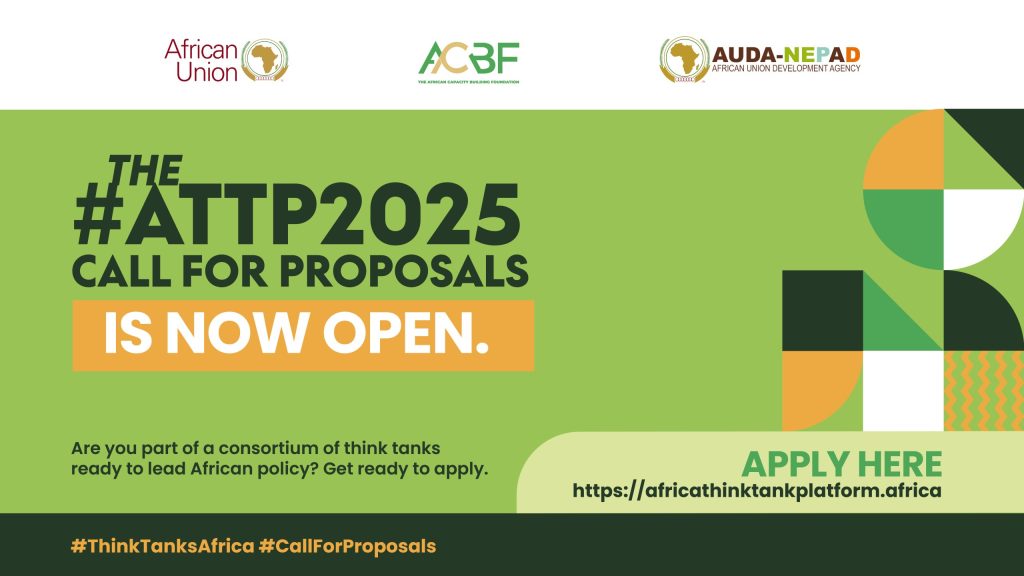
The African Union Commission will launch a call for proposals on July 24, 2025, for its five-year, $50 million Africa Think Tank Platform initiative, offering competitive grants and institutional support to strengthen policy research institutions across the continent.
The Africa Think Tank Platform (ATTP) is an initiative of the African Union Commission in partnership with the African Capacity Building Foundation (ACBF) and the African Union Development Agency (AUDA-NEPAD), with funding from the World Bank Group.
The call for proposals marks the operational launch of the initiative, which aims to enhance evidence-based policymaking and cross-border collaboration among African research institutions.
The call for proposals will select between three and five consortia, each comprising three to five African think tanks, to receive grants of approximately US$10 million for up to two and a half (2.5) years. Selected consortia will conduct collaborative research on regional integration issues across six priority areas: economic transformation and governance, climate change adaptation, regional trade and value chains, food security, human capital development, and digitalization. Gender inclusion will be integrated across all thematic areas. Each consortium is expected to address at least four of these priority areas, with grants supporting policy-relevant research, policy uptake, institutional capacity building, and initiatives to improve the representation of women in professional roles within think tanks.
The launch event will take place at the African Union headquarters in Addis Ababa and will be streamed virtually for continental participation. Think tanks have until September 24, 2025, to submit proposals, with award notifications scheduled for November 14, 2025.
Addressing Continental Challenges
The platform responds to multiple interconnected policy challenges facing Africa, including political instability, governance deficits, economic inequality, climate change impacts, health crises, and food insecurity.
Many African countries also struggle with financial constraints, external debt, capacity gaps, and fragmented policy implementation.
Supporting Regional Integration
The platform will facilitate partnerships between think tanks and policymakers while promoting regional policy harmonization.
It will also create a dynamic and accessible policy knowledge repository to support evidence-based decision-making, aligned with the African Union’s Agenda 2063 and global development goals.
Collaborative Research Model
The ATTP addresses common obstacles facing African think tanks, including limited capacity, funding constraints, and restricted access to policymakers.
The initiative emphasizes collaborative, cross-border research to prevent duplication and support the effective implementation of policies in all member states.
Recent economic shocks, including those from the COVID-19 pandemic and the Ukraine war, have highlighted the need for strong African institutions capable of effective regional decision-making.
The platform seeks to deliver economies of scale by supporting research that transcends national boundaries.
Application Process and Support
Eligible applicants must demonstrate strong track records in public policy research, regional collaboration, and institutional capacity.
The competitive selection process will prioritize think tanks capable of generating practical, high-quality policy solutions.
Selected consortia will receive funding, institutional support, capacity development, and access to a continental network linking them with policymakers and peer institutions.
The initiative aims to strengthen African institutions and expand their influence in shaping development outcomes.
Ongoing Engagement
Regular informational webinars will provide updates and live question-and-answer sessions for interested applicants.
More details will be distributed via email and through ATTP and partner organization websites.
The platform represents what organizers describe as a homegrown solution that could serve as a model for policy infrastructure development.
Over the next five years, the ATTP will support think tanks and policymakers in creating sustainable, African-led solutions based on evidence from ground-level projects.
The initiative has the potential to create new employment opportunities in evidence-based policymaking for sustainable development, while redefining development partnerships and policy research across Africa by emphasizing local knowledge and expertise.
Organizations interested in participating can access information about eligibility criteria and submission processes during the July 24 launch event, which will include presentations on the ATTP vision and a question-and-answer session with the Secretariat.
For more information about the call for proposals and livestream registration, interested parties should contact the ATTP Secretariat at attpinfo@africanunion.org. Updates will be available through the official ATTP page: https://africathinktankplatform.africa.
For more information, contact:
Fatou Diouf, Head of Communications and Influencing
comms@theacbf.org
Follow us on:
www.linkedin.com/company/africa-capacity-building-foundation
www.twitter.com/ACBF_Official
www.intstagram.com/theacbf
www.facebook.com/TheACBF
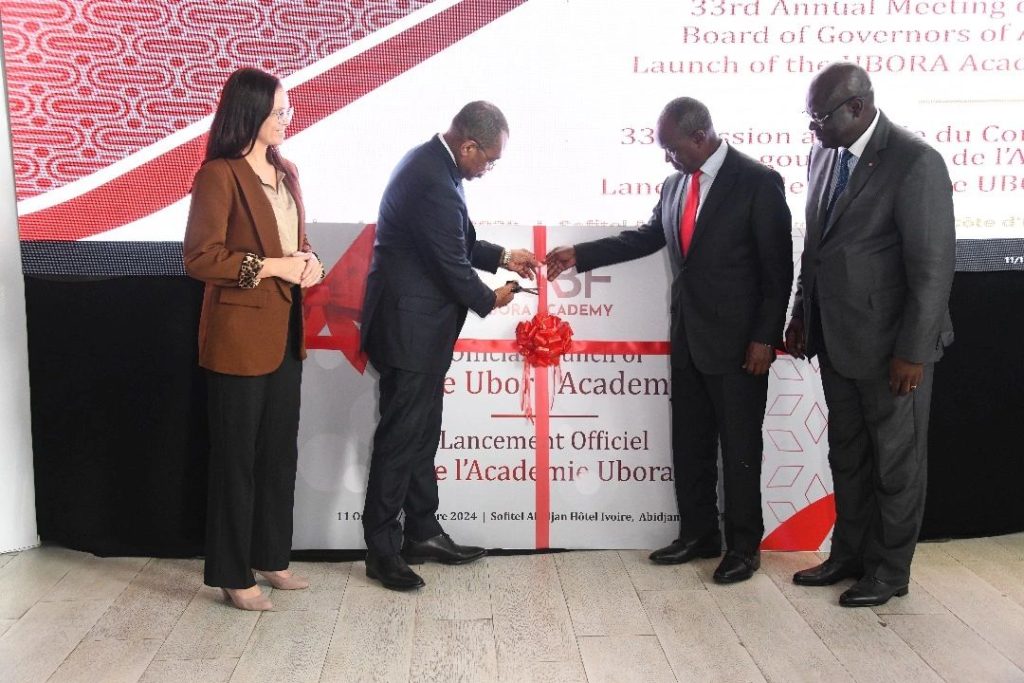
The Academy equips African professionals with leadership, governance, and innovation skills that strengthen institutions and advance sustainable development.
The African Capacity Building Foundation (ACBF) has launched the Ubora Academy, a continental learning and knowledge-sharing platform designed to equip professionals across Africa with the capabilities required to lead institutional transformation and accelerate sustainable development.
Introduced during the 33rd Annual Meeting of the ACBF Board of Governors Abidjan, Côte d’Ivoire, in October 2024, the Academy expands ACBF’s long-standing commitment to strengthening leadership, governance, and public sector performance across the continent.
The launch marks an important step in addressing the leadership and governance capacity needs that shape Africa’s development trajectory.
As countries pursue ambitious economic, social, and institutional reforms, demand continues to grow for professionals who can guide change, strengthen institutions, and deliver results for citizens. Ubora Academy responds to that demand through a learning model that combines technical knowledge, leadership development, practical skills, and peer-to-peer learning.
The Academy embraces the principle of Africa learning from Africa and creates opportunities for professionals to exchange experiences, explore solutions, and build lasting networks that support development across the continent.
Ubora Academy is Africa’s go-to learning and knowledge-sharing platform, offering courses, webinars, and educational resources across a range of topics.
Its mission is to equip professionals from the public, private, and civil society sectors with the skills needed to navigate Africa’s evolving political, economic, social, and cultural landscape.
The platform offers both free and paid learning opportunities, and many courses provide certificates upon successful completion, supporting continuous professional development and lifelong learning.
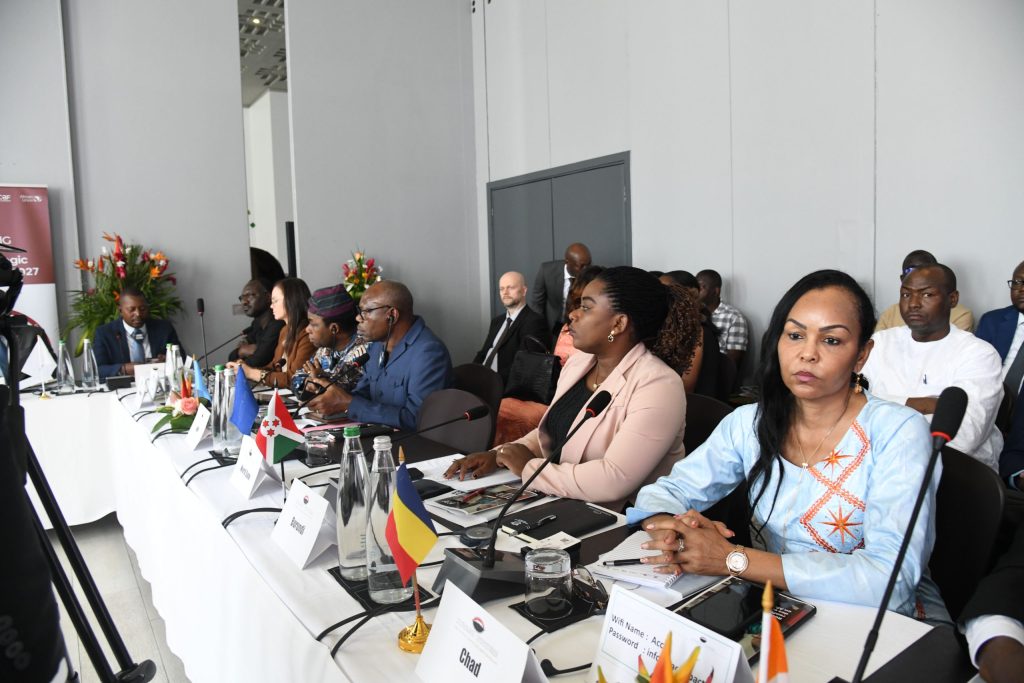
Leadership for Africa’s Development Priorities
Leadership development sits at the heart of the Academy’s mandate. Ubora Academy prepares professionals to guide reforms, strengthen institutions, improve service delivery, and contribute to sustainable economic and social development.
Its programs address critical areas including governance, climate resilience, sustainability, crisis management, strategic leadership, and institutional effectiveness.
Hon. Adama Coulibaly, Côte d’Ivoire’s Minister of Finance and Budget, described the Academy as an important contribution to Africa’s development agenda and highlighted the value of linking professional development to continental priorities.
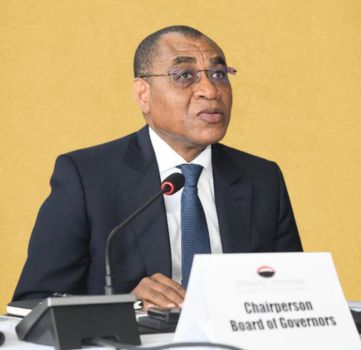
Regarding particularly the trainings that are dispensed or that will be dispensed by the Ubora Academy, they have a specificity, it is simply because these trainings are articulated with the achievement of sustainable development objectives and the 2063 Agenda of the African Union. Beyond the training, they develop skills on non-technical issues, namely leadership, management, innovation, and strategic thinking.
Hon. Adama Coulibaly
Côte d’Ivoire’s Minister of Finance and Budget
His remarks reflect the Academy’s focus on developing leaders who can connect technical expertise with the strategic capabilities required to guide institutions and drive long-term transformation.
The Academy supports the implementation of ACBF’s 2023-2027 Strategic Plan and contributes to achieving the Sustainable Development Goals and the African Union’s Agenda 2063.
During the launch, H.E. Josefa Sacko, African Union Commissioner, emphasized the importance of strong leadership and good governance in advancing sustainable development across the continent, reinforcing the central role that capacity development plays in achieving Africa’s long-term aspirations.
Equipping Professionals for Impact
Ubora Academy delivers programs that strengthen practical skills and professional competencies across sectors. Participants build expertise in leadership, management, communication, negotiation, problem-solving, innovation, strategic thinking, and data-informed decision-making.
These capabilities support institutional effectiveness and equip professionals to address increasingly complex challenges in governance and development.
A cornerstone of the Academy’s offering is the Leadership Excellence in Africa’s Public Sector (LEAPS) program. LEAPS develops current and emerging leaders who can guide reforms, strengthen public institutions, improve service delivery, and advance public sector performance.
The program contributes to the development of a strong leadership pipeline equipped to support effective governance across Africa.
ACBF Executive Secretary Mamadou Biteye described the Academy as central to the Foundation’s vision for Africa’s future.
At the African Capacity Building Foundation, our mission is to build the future where Africa’s professionals are fully equipped to navigate the socio-economic development challenges of the 21st century. The Ubora Academy is at the heart of this mission, empowering Africa’s future with first-class training.
Mr Mamadou Biteye
ACBF Executive Secretary
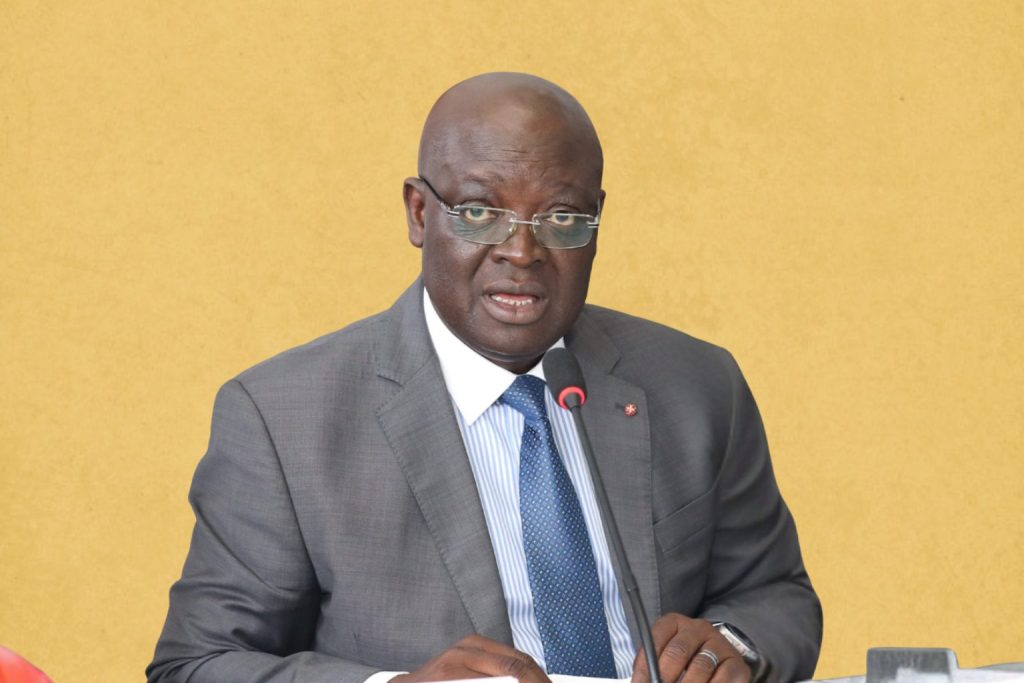
He added that the Academy will nurture a new generation of leaders while advancing a governance agenda that supports growth, resilience, and transformation across the continent.
The Academy’s learning programs align closely with the broader transformation objectives of public- and private-sector institutions. Participants gain access to practical knowledge and skills that strengthen decision-making, support innovation, improve accountability, and contribute to citizen-centered public service delivery.
A Platform for African Knowledge and Learning
Ubora Academy creates opportunities for professionals, policymakers, researchers, and practitioners to exchange experiences and learn from successful approaches developed across Africa.
The platform promotes collaboration, innovation, and continuous learning while supporting the development of networks that extend across sectors and national boundaries.
The Academy’s emphasis on peer learning reflects a belief that African expertise and African experiences provide valuable insights for addressing the continent’s development challenges.
Through webinars, learning resources, professional courses, and collaborative exchanges, participants gain access to knowledge that strengthens institutional performance and contributes to sustainable development outcomes.
Ubora Academy also fosters a culture of innovation and problem-solving that empowers professionals to identify opportunities, respond to emerging challenges, and develop practical solutions within their organizations and communities.
Access to high-quality learning resources and a strong commitment to knowledge sharing enhance the Academy’s contribution to capacity development across Africa.
The platform serves as a community of practice where knowledge translates into action. Professionals connect with peers across the continent, exchange ideas, share experiences, and contribute to solutions that generate impact within institutions and communities.
Strong Partnerships for Sustainable Capacity Development
Strategic partnerships have played an important role in the establishment and growth of Ubora Academy. Support from Finland’s Ministry for Foreign Affairs, the Bill & Melinda Gates Foundation, and the HAUS Finnish Institute of Public Management reflects a shared commitment to strengthening leadership, governance, and institutional capacity across Africa.
Victoria Kwakwa, former World Bank Vice President for Eastern and Southern Africa, welcomed the initiative and praised ACBF’s continued investment in capacity development.

I’d like to celebrate all that African Capacity Building Foundation has achieved in the recent past, particularly in the new innovations that you’ve brought to the work of building capacity amongst African policymakers and other African stakeholders.
We appreciate, in particular, the efforts that you’re making to launch various academies that will bring training, knowledge, and capacity building for policymakers. We really are impressed with this effort.
Victoria Kwakwa
Former World Bank Vice President for Eastern and Southern Africa
Biteye also acknowledged the contribution of ACBF’s partners to the Academy’s development. “I want to really attest to that and testify to that, that our Finnish partners have been there and listening to us, really going and supporting our vision.”
Konsta Heikkilä, Chief Partnership Advisor at the HAUS Finnish Institute of Public Management, highlighted the progress achieved through collaboration with ACBF.
What we have achieved in the short two years, including launching the Ubora Academy and unveiling the multimedia studio here at the Harare office of the ACBF is truly remarkable. And this is just the beginning of our journey to benefit the continent and the citizens of this great continent.
Konsta Heikkilä
Chief Partnership Advisor at the HAUS Finnish Institute of Public Management

Expanding Access Through the Multimedia Studio
ACBF strengthened the Academy’s learning ecosystem by launching the Ubora Academy Multimedia Studio in Harare, Zimbabwe, in November 2024.
The facility enhances the production of digital learning content, supports the sharing of African experiences and success stories, and expands opportunities for engagement with learners across the continent.
The launch was officiated by Ambassador Rudo Mabel Chitiga, Permanent Secretary in Zimbabwe’s Ministry of Skills Audit and Development, who highlighted the importance of capacity development in advancing Africa’s development priorities.

We hope that it spreads and that the impact will be felt as soon as possible at the Ubora Academy, and that it will grow not only in terms of numbers but also in the impact and influence it will have on learning and reskilling Africa.
Ambassador Rudo Mabel Chitiga
Permanent Secretary in Zimbabwe’s Ministry of Skills Audit and Development
The studio also reflects ACBF’s commitment to collaboration and knowledge exchange. The facility is available to partners and provides a platform for producing content that supports learning and development objectives across sectors.
It’s a creative engine that drives how we connect, educate, and influence across Africa and beyond. This is not just for us, but for our partners who are welcome to use it whenever needed.
Fatou Diouf
ACBF’s Head of Communications and Influencing

Biteye stated that the facility reflects ACBF’s commitment to ensuring that knowledge, expertise, and learning resources reach professionals throughout Africa. He noted that the studio was created to support a broad community of learners, practitioners, and institutions working to advance the continent’s development agenda. “It’s at the service of the continent.”
Investing in Africa’s Future Leaders
Ubora Academy brings together leadership development, professional learning, knowledge exchange, and innovation within a single platform dedicated to Africa’s development priorities.
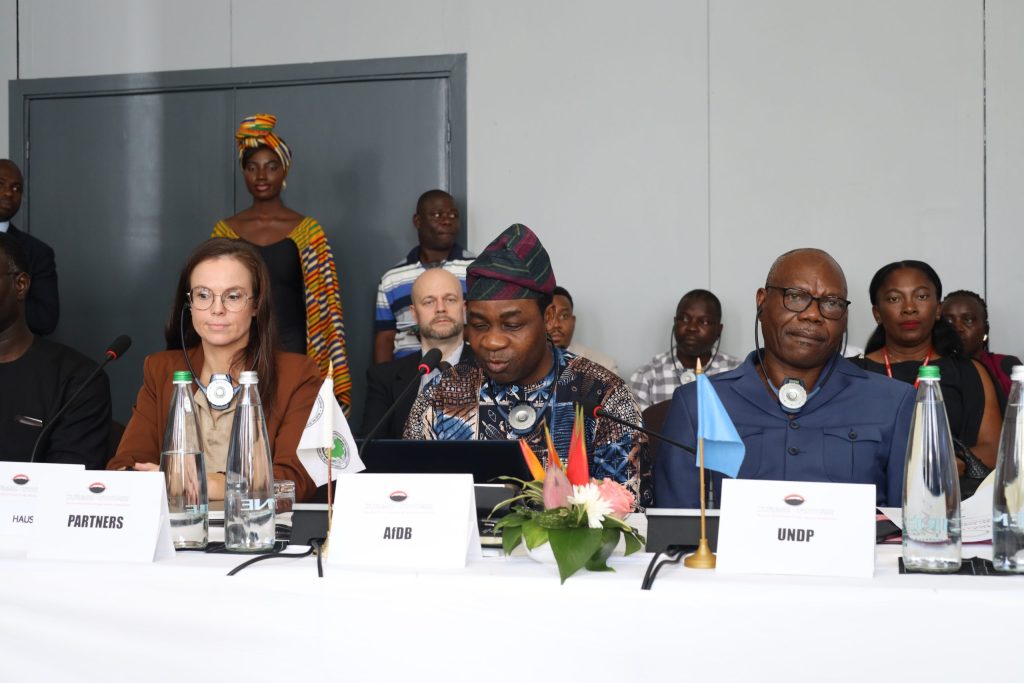
Through accessible courses, expert-led webinars, professional certifications, and collaborative learning opportunities, the Academy equips professionals with the skills required to strengthen institutions, improve governance, and deliver meaningful results for citizens.
The Academy represents an investment in people, institutions, and ideas. It creates opportunities for professionals to expand their capabilities, connect with peers, and contribute to solutions that advance Africa’s development agenda.
The name Ubora comes from the Swahili language and represents excellence, collaboration, inclusion, and transformation. The concept reflects a commitment to bringing together people from diverse backgrounds to share knowledge, learn from one another, and contribute to positive change across Africa.
Guided by the values of excellence, collaboration, inclusion, and transformation, Ubora Academy is building a community of leaders equipped to shape the continent’s future and support sustainable development for generations to come.
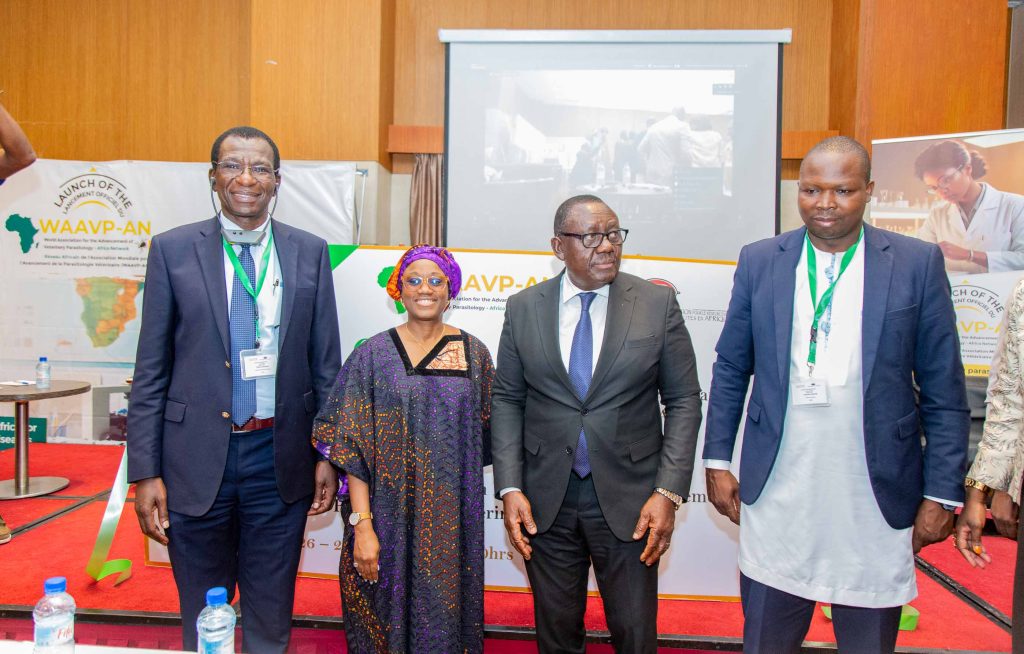
Partnership between ACBF and WAAVP-AN creates a platform for scientific collaboration, professional development and strengthened parasite control across the continent.
The World Association for the Advancement of Veterinary Parasitology African Network (WAAVP-AN) was officially launched on 26–27 June 2024 in Cotonou, Benin, bringing together researchers, veterinary professionals, institutions and development partners committed to advancing veterinary parasitology and strengthening the control of animal parasitic diseases across Africa.
Held under the theme Advancing Veterinary Parasitology in Africa for Enhanced Control of Animal Parasitic Diseases, the gathering highlighted the importance of scientific collaboration, capacity development and innovation in supporting animal health, food security and sustainable livestock production.
The launch also reflected the growing partnership between the African Capacity Building Foundation (ACBF) and WAAVP-AN in strengthening Africa’s scientific and institutional capacity.
Through its support, ACBF has contributed to the development of frameworks that promote research, knowledge sharing, professional networking and capacity-building opportunities for veterinary parasitologists across the continent.
The partnership demonstrates a shared commitment to building the expertise, institutions and collaborative networks required to address animal health challenges and support agricultural development in Africa.
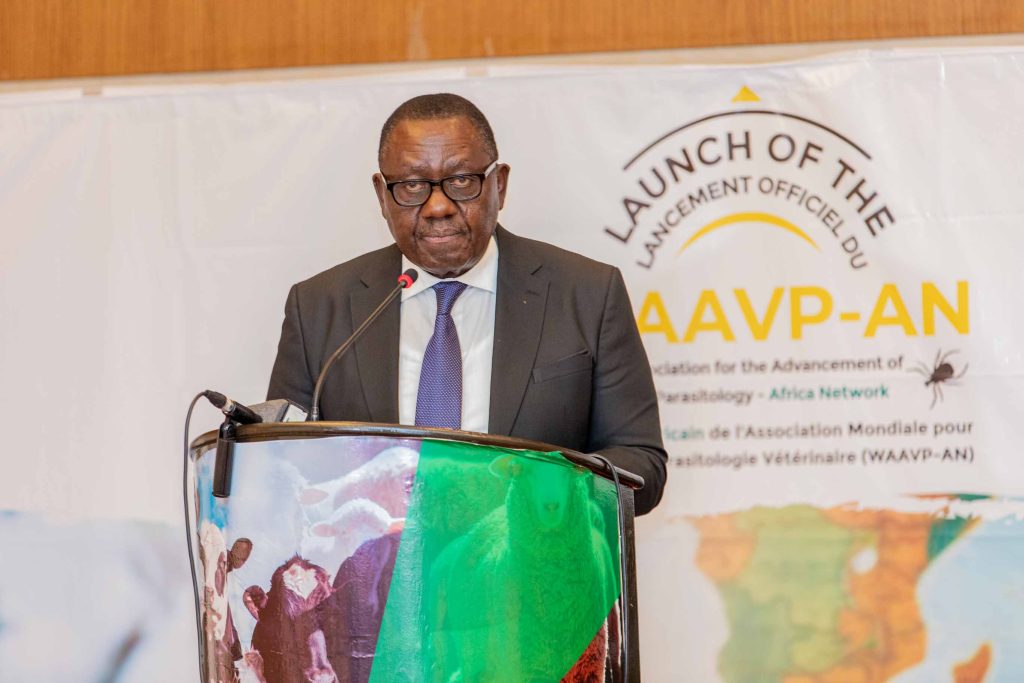
Addressing participants during the gathering, Benin’s Minister of Agriculture, Livestock and Fisheries, Gaston Cossi Dossouhoui, emphasized the significance of livestock production for rural populations and national development.
Livestock constitutes for pastoral populations and the poorest segments of our countries a potential source of food and monetary income
Hon Gaston Cossi Dossouhoui
Benin’s Minister of Agriculture, Livestock and Fisheries
WAAVP-AN serves as an umbrella network of people and institutions working toward improved control of animal parasitic diseases, advances in research and training, strengthened veterinary practice, enhanced animal welfare and sustainable livestock production.
The network also seeks to reduce the economic and health impacts associated with animal parasites, including parasitic zoonoses, while supporting the development and retention of the human resources needed to sustain long-term parasite control efforts across the continent.
A Continental Vision for Veterinary Parasitology
The establishment of WAAVP-AN emerged from a recognition that Africa’s veterinary parasitology community would benefit from a stronger platform capable of connecting researchers, institutions and professional associations around a common agenda.
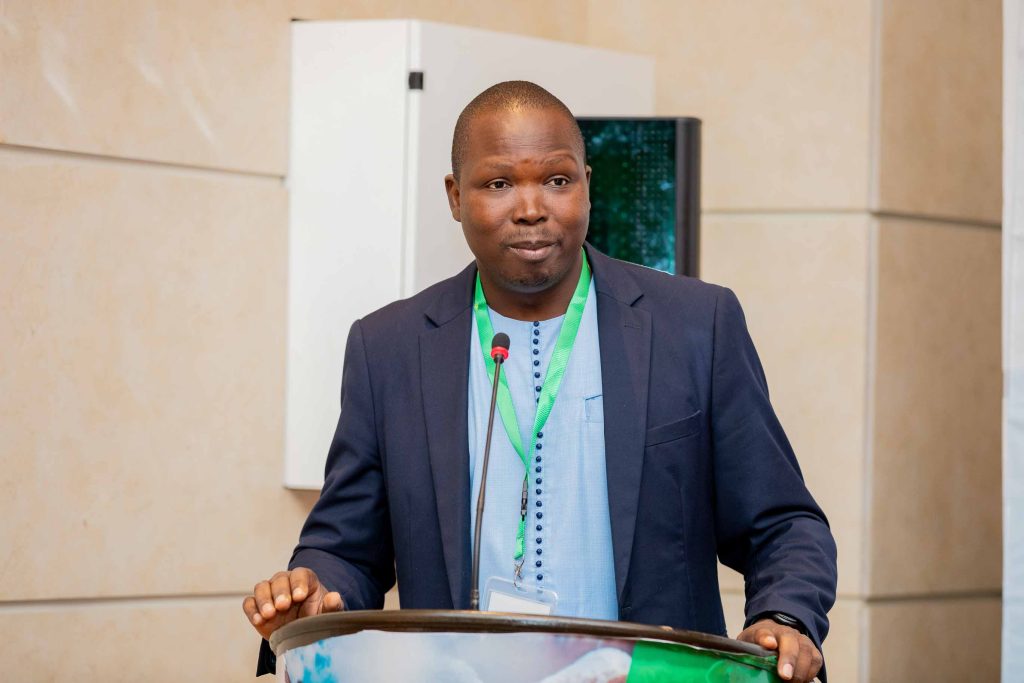
The reason why this meeting was convened was on realization that whereas we have many small groups or associations for parasitologists in Africa, much cannot be said about an overarching body that helps to coordinate these various organizations in the field of veterinary parasitology.
An entity which will help to coordinate and bring together the different veterinary parasitologists so that we are able to be one united vision where we want to take this field collectively and look for resources so that we are able to provide opportunities for early-career and middle-career researchers to drive forward the agenda of parasite control in Africa.
Dr. Patrick Vudriko
Co-chair of WAAVP-AN
The network provides a framework for collaboration across countries and institutions, creating opportunities for researchers and practitioners to exchange knowledge, share experiences and contribute to solutions that improve animal health and livestock productivity.
The initiative also supports stronger engagement between scientists, policymakers and development partners, helping ensure that research findings inform practical interventions and policy decisions.
Interest in the network has continued to grow as veterinary parasitologists across Africa and beyond seek opportunities to engage in a coordinated community of practice focused on scientific excellence and development impact.
Really, the start of our year for 2023 was attendance and participation in the WAAVP biennial conference.
We partnered with Helminthology to support two female parasitologists from Africa to attend this international conference and present their work. We were able to present the results of our survey on priority areas for attention in veterinary parasitology in Africa, effectively bringing this information to the wider global community,
Dr. Ayodele Majekodunmi
Co-chair of WAAVP-AN
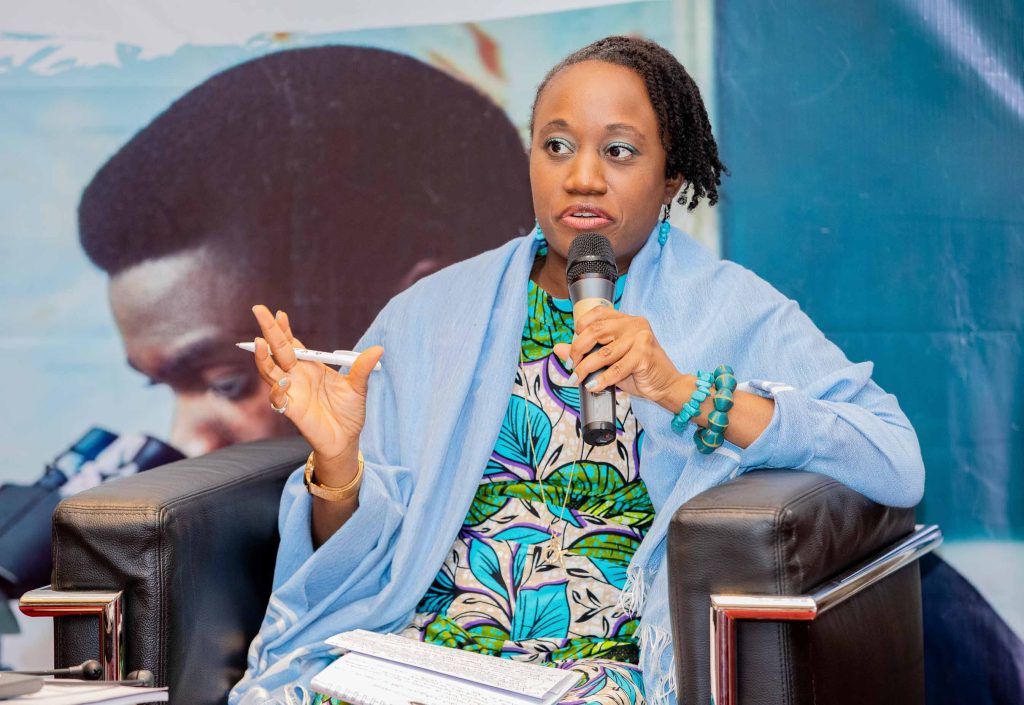
She explained that the network also served as a platform for presenting African priorities to international audiences and building stronger links with the global veterinary parasitology community.
We were also able to introduce the Africa network to the global community of veterinary parasitology in the symposium, which we held as one of the key events of the conference. We generated considerable interest from colleagues within Africa and outside Africa in joining the network and the community of practice.
Dr. Ayodele Majekodunmi
Co-chair of WAAVP-AN
ACBF Supports Capacity Development and Institutional Growth
ACBF has played an important role in supporting the development of the network and strengthening its institutional foundation.
The partnership aligns with the Foundation’s broader mandate to build human and institutional capacity across Africa and to support initiatives that generate sustainable development outcomes.
The partnership aligns with the African Union’s Agenda 2063 by strengthening scientific capacity, promoting innovation and supporting sustainable agricultural development.
It also contributes to achieving the Sustainable Development Goals through investments in research, skills development, and collaboration across institutions and countries.
Speaking during the launch, ACBF Executive Secretary Mamadou Biteye highlighted key achievements that have helped position the network for growth and impact.
Key milestones achieved so far include the successful launch of the Africa Network during the 29th International Conference that was held in Chennai, India, in August 2023.
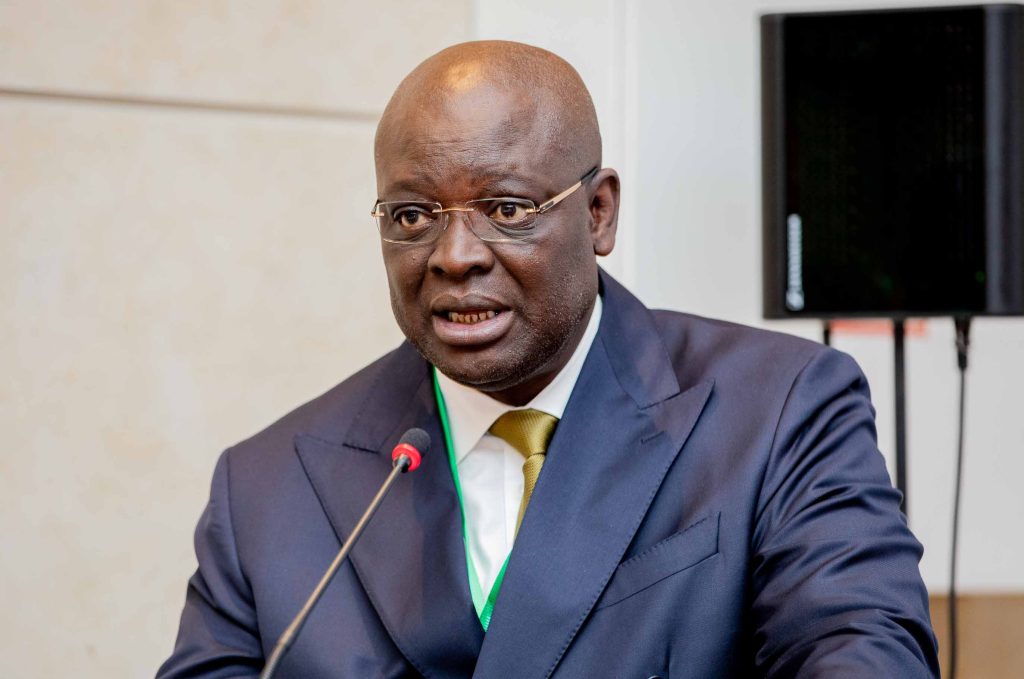
We established the Africa Network website to enhance the visibility of the network and provide a platform for networking, collaboration and knowledge sharing. We also established a framework for administration and management of the Africa Network research and capacity-building grants
Mr Mamadou Biteye
ACBF Executive Secretary
These foundational investments have strengthened the network’s ability to connect professionals across borders, support scientific collaboration and facilitate access to opportunities that advance research and professional development.
The establishment of administrative and grant-management structures also provides an important mechanism to support future initiatives aimed at strengthening veterinary parasitology across Africa.
The network’s first call for grant proposals reflects a practical commitment to supporting research and innovation while creating opportunities for scientists and institutions to develop solutions to animal health challenges affecting livestock systems across the continent.
Advancing Animal Health and Livestock Development
The importance of veterinary parasitology extends well beyond scientific research. Effective parasite control contributes directly to improved animal health, increased livestock productivity and stronger livelihoods for communities that depend on livestock for food, income and economic security.
It is vital for providing meaningful livelihoods to smallholder farmers and ensuring inclusive growth for our states. I remain convinced that with the actions planned by the network, Africa will significantly improve the level of its animal production.
Hon Gaston Cossi Dossouhoui
Benin’s Minister of Agriculture, Livestock and Fisheries
The discussions also highlighted the importance of linking scientific evidence with economic outcomes that support investment and policy action. Participants stressed the need to demonstrate the economic impact of animal diseases and the benefits of effective parasite control in ways that resonate with governments, development institutions and private-sector partners.
What we would need to do is to have a contact working group on the ground to work with the association to achieve all of this. If we translate the data into figures in terms of economic impact, we would be able to engage partners and convince them to invest in what we are doing here.
Dr. Moses Arokoyo
President of the Nigerian Veterinary Medical Association.
The launch of WAAVP-AN represents an important step in strengthening Africa’s veterinary parasitology landscape through collaboration, knowledge sharing and capacity development.
Supported by ACBF and a growing network of researchers, institutions and professional associations, the initiative creates a stronger platform to advance animal health, support livestock production and contribute to sustainable agricultural development across the continent.