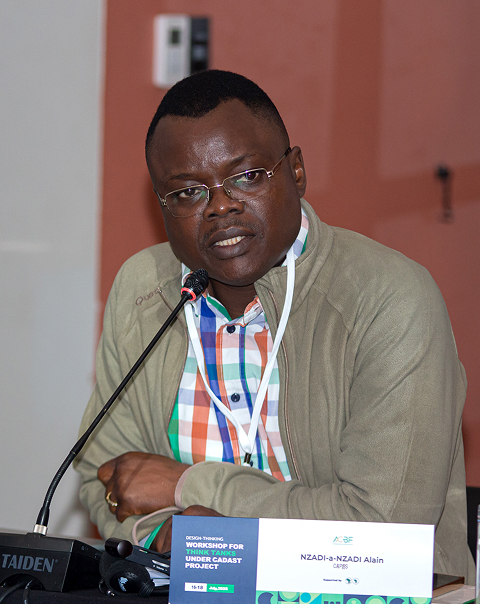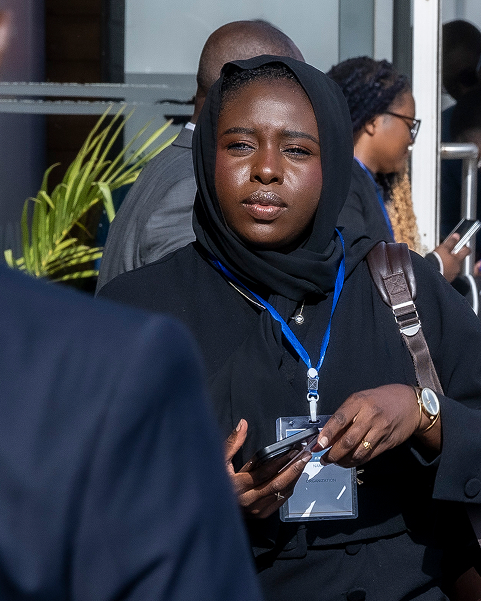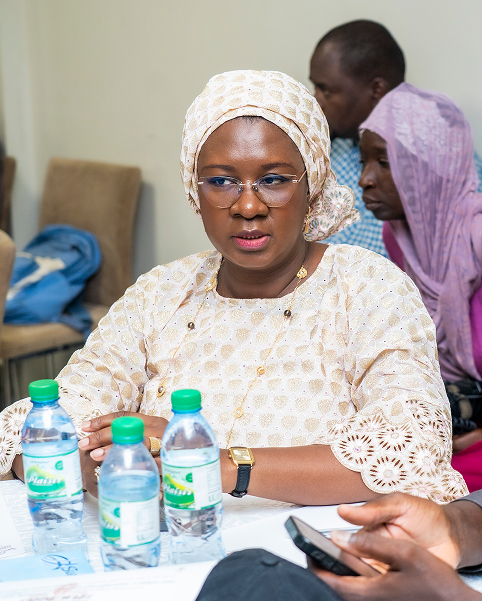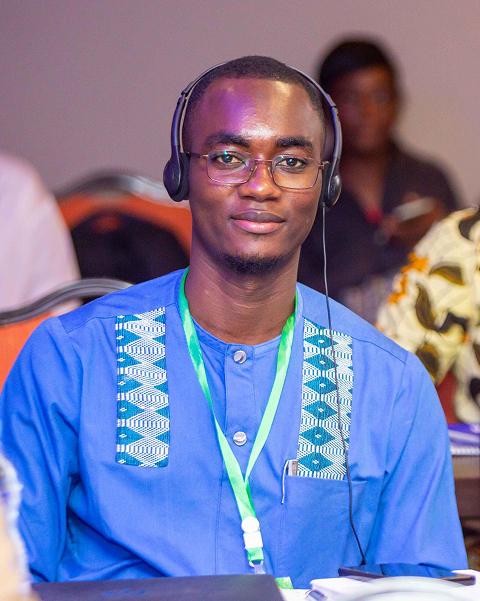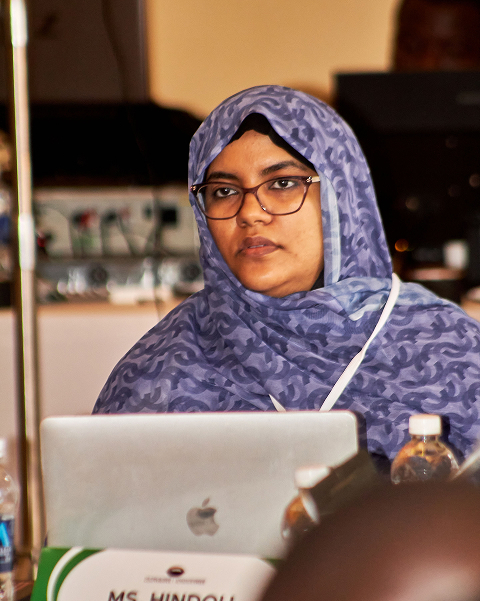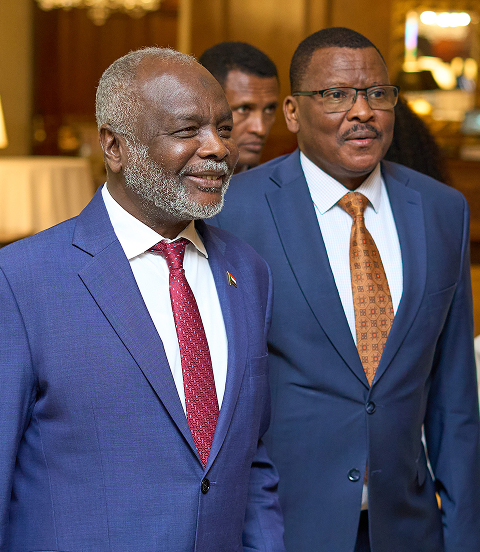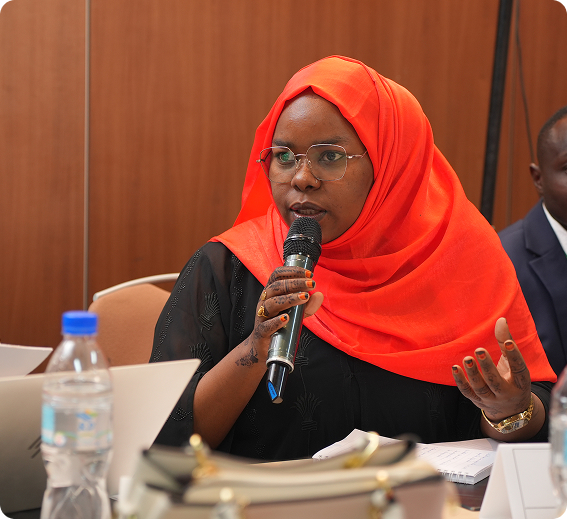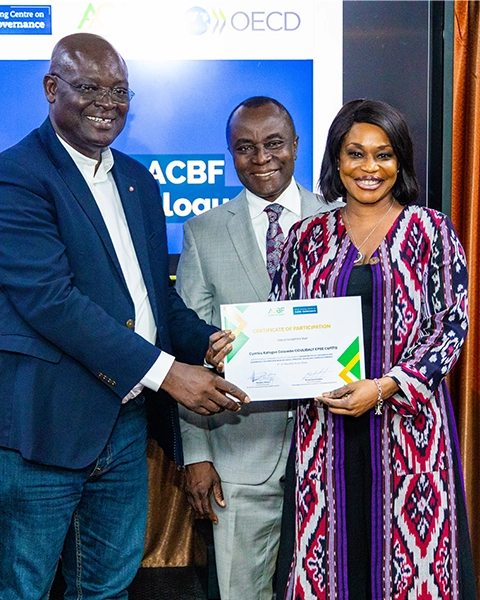

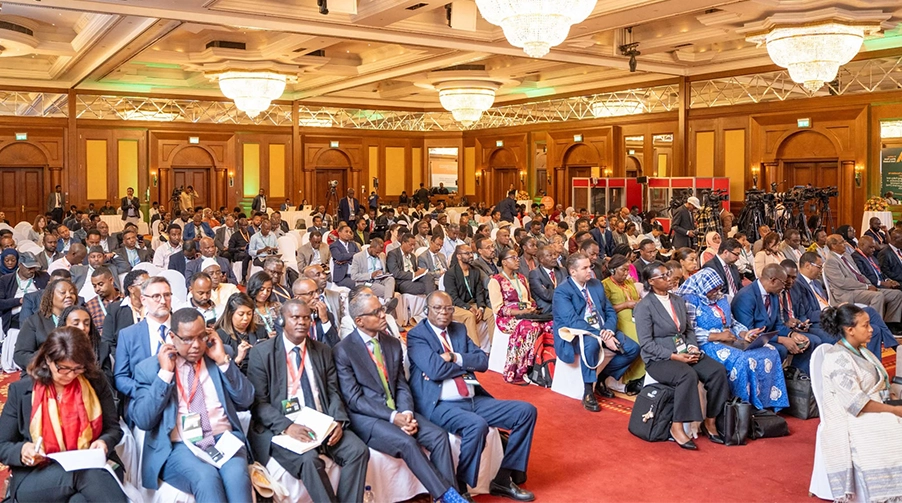
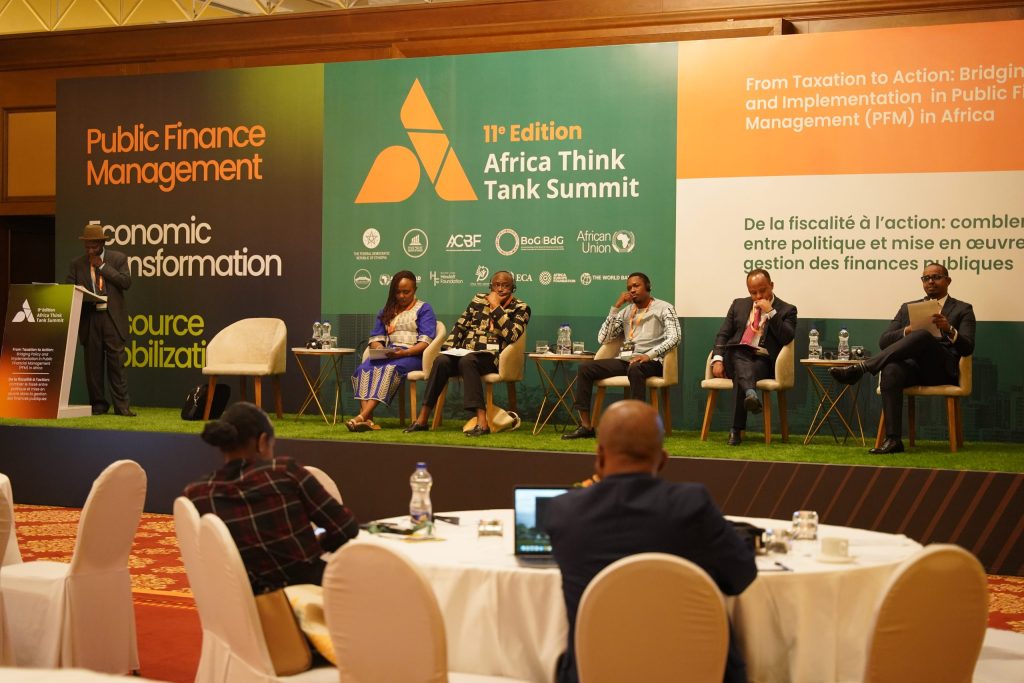
More than 500 participants from 40 countries gathered in Addis Ababa to advance fiscal sovereignty, strengthen public financial management and accelerate Agenda 2063 priorities.
The 11th Africa Think Tank Summit convened in Addis Ababa, Ethiopia, from Oct. 8-10, 2025, as African leaders and institutions intensified efforts to strengthen fiscal sovereignty and improve public financial management across the continent.
Held under the theme, “From Taxation to Action: Bridging Policy and Implementation in Public Financial Management in Africa,” the summit explored practical solutions for domestic resource mobilization, accountable governance and sustainable development.
Organized by the African Capacity Building Foundation (ACBF) in partnership with the African Union Commission, AUDA-NEPAD and the Government of Ethiopia, the three-day gathering focused on domestic resource mobilization, accountable governance and practical pathways for translating policy into measurable development outcomes.
Through 24 sessions, including plenaries, stakeholder forums, side events and a specialized training session, participants championed African-led development financing, effective fiscal reforms and stronger public financial management systems.
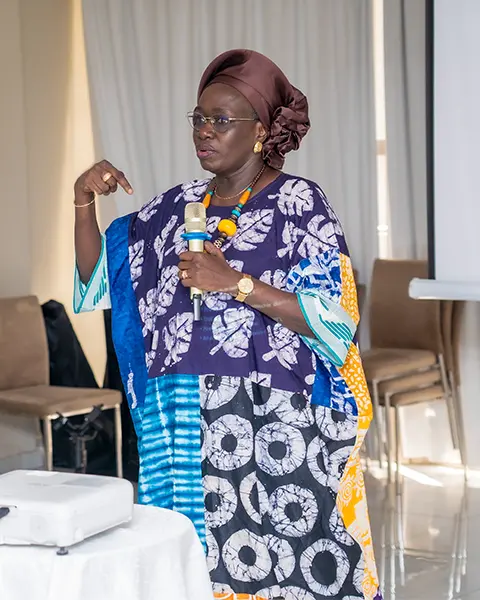
In her opening remarks, Ethiopia’s Minister of Revenue, H.E. Aynalem Nigussie, emphasized the importance of execution and collaboration, stating that
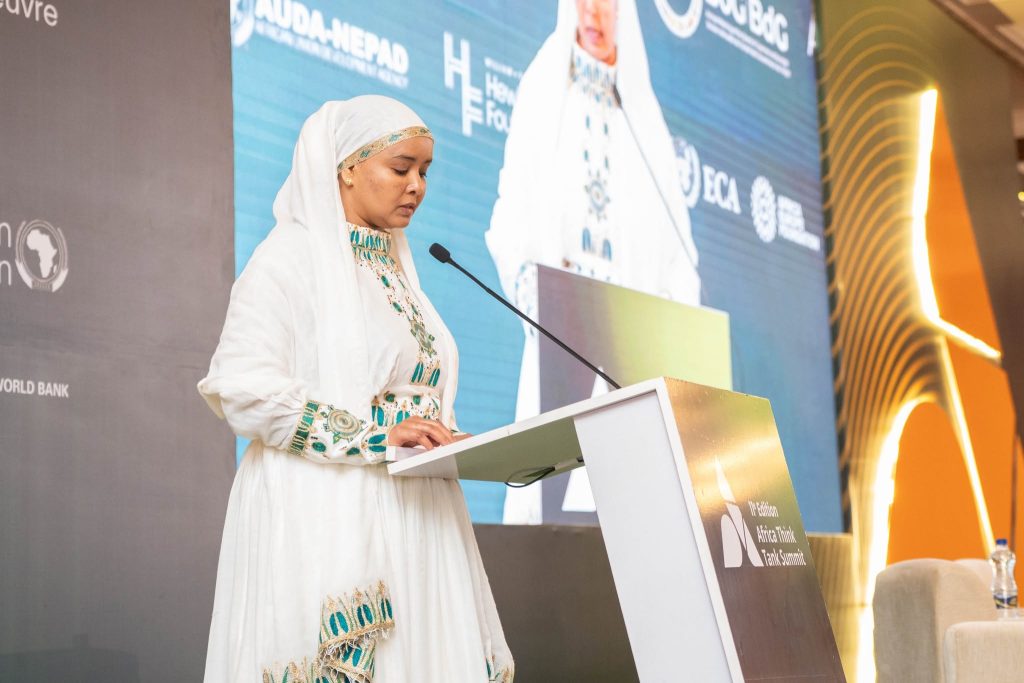
Policy alone cannot bring about change. It must be matched with the right implementation and cross-sector cooperation.
H.E. Aynalem Nigussie
Ethiopia’s Minister of Revenue
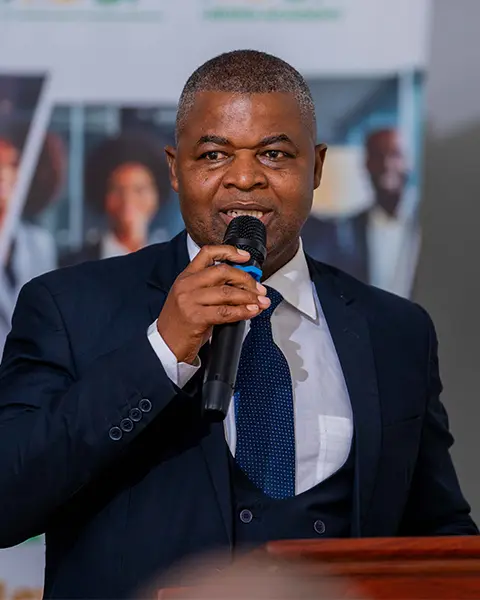
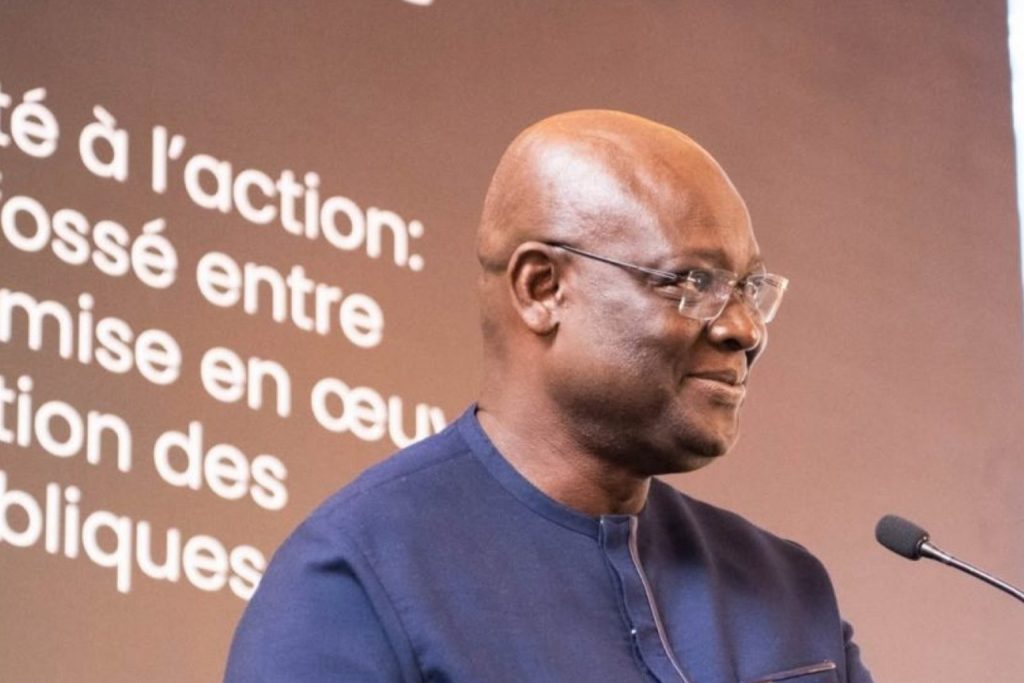
ACBF Executive Secretary Mamadou Biteye framed domestic resource mobilization as a strategic imperative for long-term transformation.
Africa is ready to fund its own future, he told participants, linking fiscal reform to stronger institutions, transparency and equitable development.
Mamadou Biteye
Secrétaire exécutif de l’ACBF
Leaders throughout the opening sessions reinforced the importance of ownership and accountability in shaping Africa’s fiscal future. H.E. Zadig Abreha, President of the Africa Leadership Excellence Academy (AFLEX), called for greater African agency in development processes, saying, “Africa must move from being analyzed to becoming the authors of its own progress.”
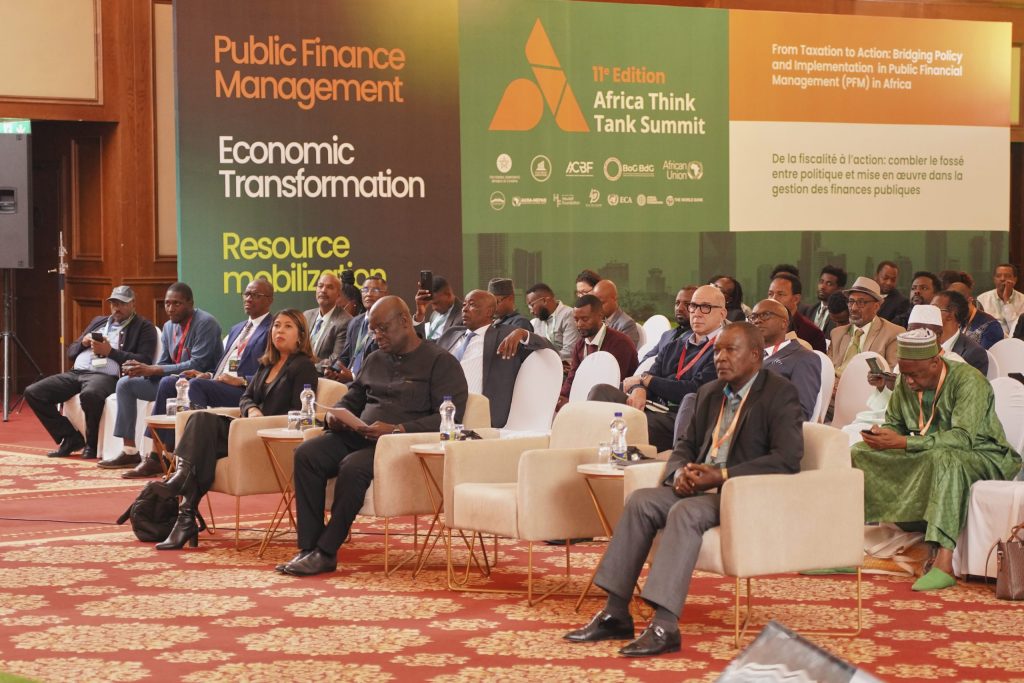
Discussions throughout the first day examined domestic resource mobilization, public trust, institutional capacity, debt management, and the integration of youth, women and digital tools into taxation systems. Participants explored approaches that support sustainable fiscal transformation while creating stronger connections between policy design and implementation.
Technology, Knowledge and Inclusion Drive the Reform Agenda
The second day focused on technology, innovation and inclusion as drivers of effective public financial management. Under the theme “Reimagining Revenue: Strategies for Effective Domestic Resources Mobilization,” participants explored how data, digital transformation and collaborative governance can strengthen revenue systems and improve public-sector performance.
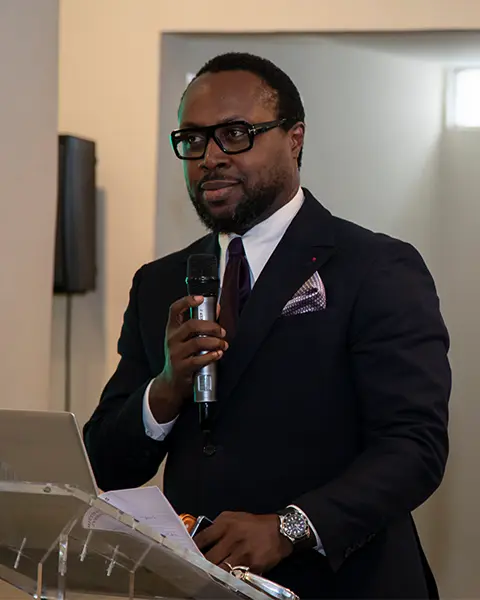
A keynote address by Eddie Mandhry, Member of the ACBF Executive Board and Managing Director of the Sports AI Innovation Center, highlighted the growing role of artificial intelligence in fiscal governance.
He outlined how AI can support revenue forecasting, fraud detection and evidence-based policymaking.
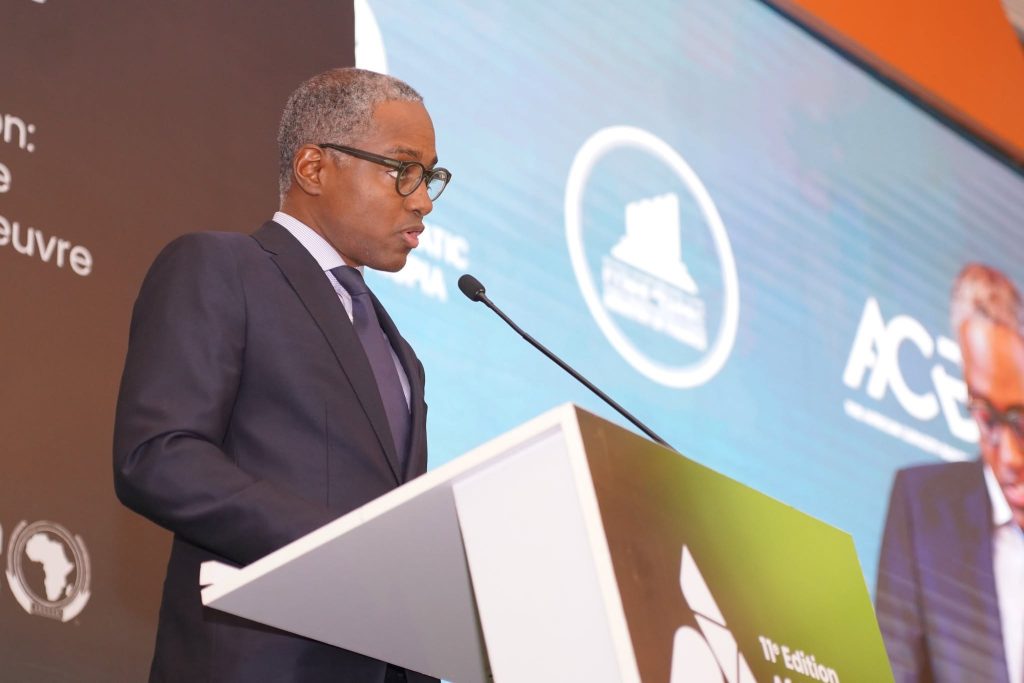
AI is no longer experimental. It can help us finance Africa’s future and empower our public institutions to serve citizens better, with ethics and collaboration at the core.
Eddie Mandhry
Member of the ACBF Executive Board and Managing Director of the Sports AI Innovation Center – Colombia University
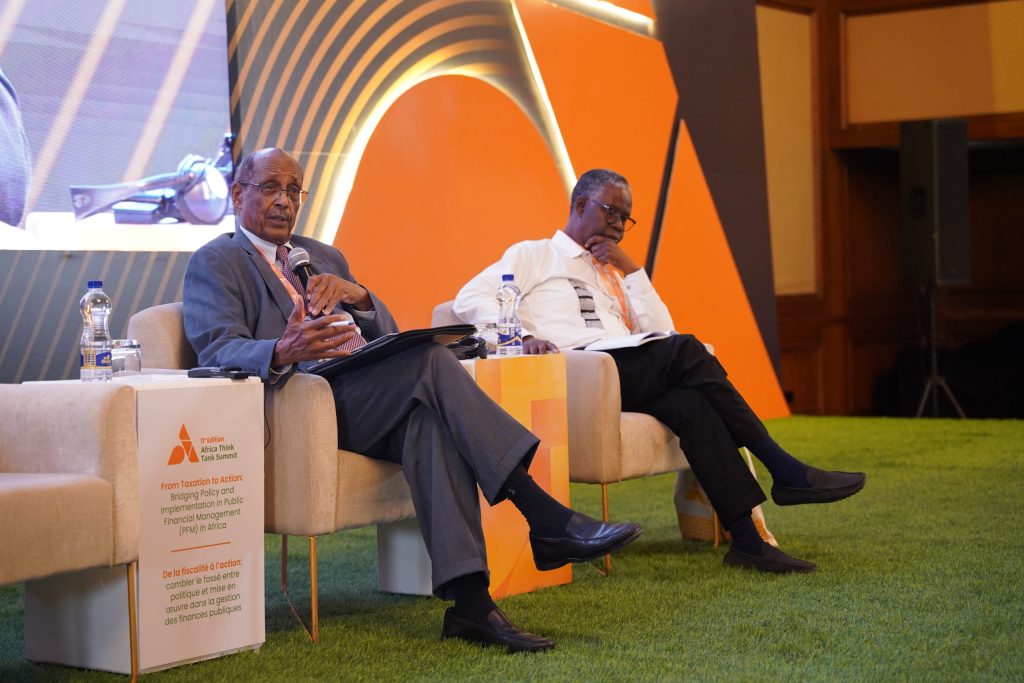
Participants examined the contribution of youth, think tanks and civil society organizations in strengthening accountability and improving policy outcomes. Sessions highlighted the value of citizen engagement, transparent governance and research-driven reforms in building trust and enhancing the effectiveness of fiscal systems.
Climate-responsive and gender-responsive budgeting also featured prominently in the discussions. Delegates emphasized equitable financing approaches that support environmental resilience, social inclusion and broad-based economic participation.
Knowledge emerged as a central theme throughout the summit and aligned with Agenda 2063’s aspiration for a prosperous Africa driven by its citizens and powered by skills, innovation, and evidence-based policymaking.
The summit demonstrated how African institutions can generate, share and apply knowledge to strengthen governance systems, improve revenue management and accelerate sustainable development outcomes.
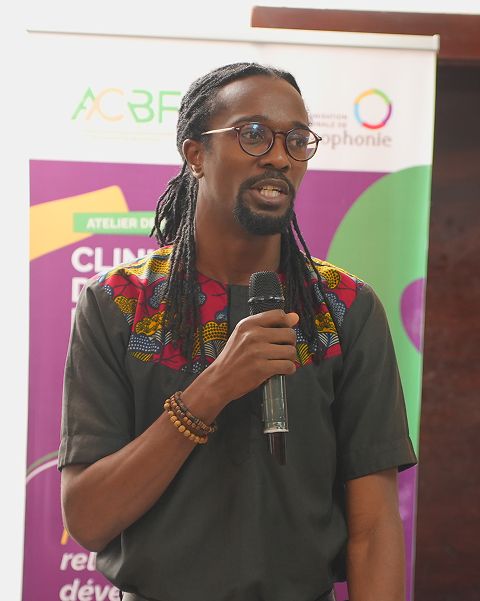
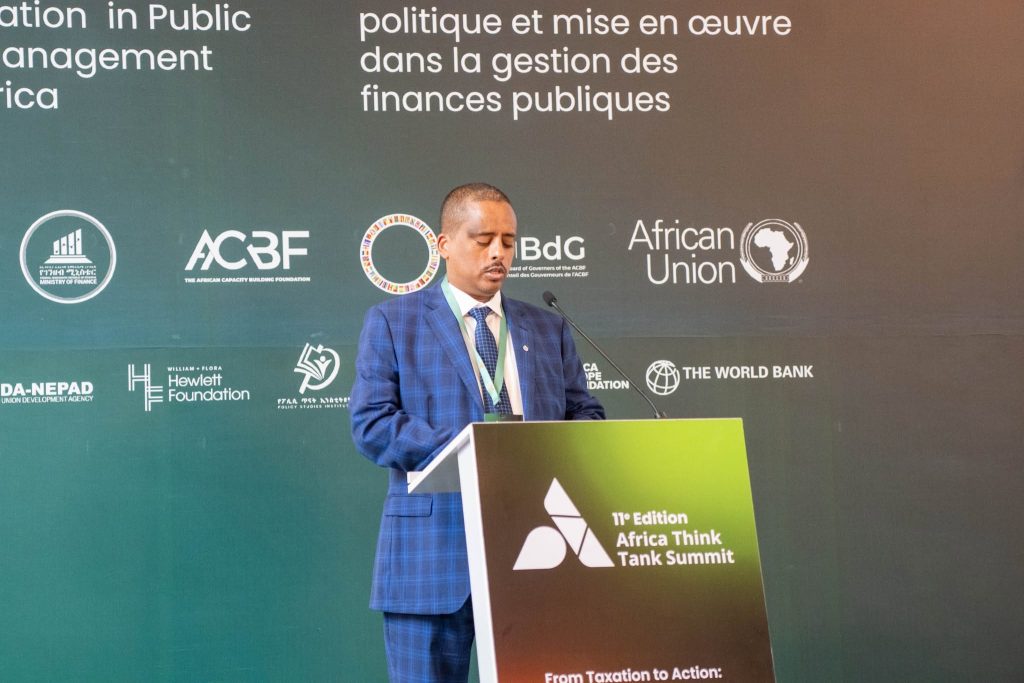
Dr. Fekadu Tsega, Director General of the Policy Studies Institute (PSI), captured this connection between knowledge and governance.
Building transparent fiscal systems is about renewing the social contract between citizens and the state. Proximity matters between citizens and governance, policy and implementation, Africa and the world.
Dr. Fekadu Tsega
Director General of the Policy Studies Institute (PSI)
Strategic Partnerships and a Roadmap for Reform
The final day centered on innovation, partnerships and collective action. Participants examined successful practices from think tanks, fintech companies and civil society organizations that are helping reshape Africa’s fiscal landscape and improve domestic resource mobilization.
Strategic partnerships strengthened the summit’s long-term impact. ACBF signed memoranda of understanding with the Africa-Europe Foundation and the African Forum and Network on Debt and Development (AFRODAD).
The agreements will support joint research, leadership development, capacity building and collaboration between think tanks and civil society organizations.
The summit communiqué outlined priorities for the next phase of action, including technology-enabled tax systems, evidence-based public financial management, AI-powered revenue management, stronger policy influence for think tanks and inclusive fiscal governance that advances youth and gender participation.
Delegates also called for expanded capacity-building programs, innovative financing mechanisms and the development of a continental public financial management competency framework.
Recommendations further highlighted the importance of strengthening domestic resource mobilization, promoting transparency and leveraging technology to improve public-sector efficiency and accountability.
These priorities reflected a shared commitment to building resilient institutions capable of financing Africa’s development agenda through domestic resources, innovation and effective governance.
Knowledge Products Build Capacity for Agenda 2063
Knowledge generation and institutional learning emerged as central themes throughout the summit, reflecting Agenda 2063’s vision of a prosperous Africa driven by its people and powered by innovation, skills and evidence-based policymaking.
Participants highlighted the importance of strengthening African institutions that can produce, share and apply knowledge to support effective governance, fiscal sustainability and long-term development.
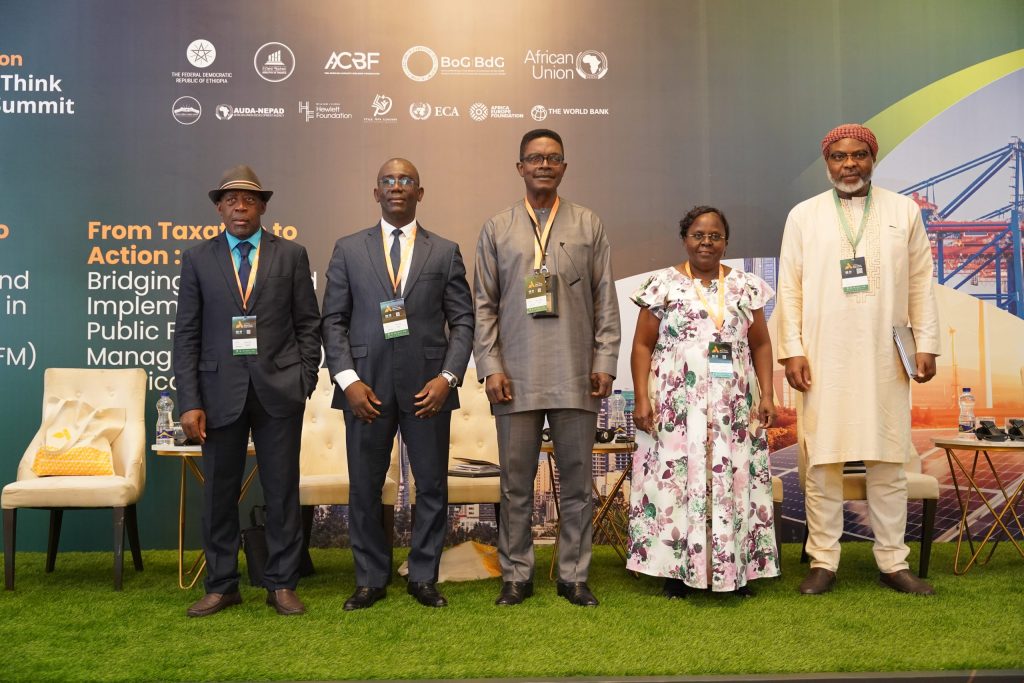
The event also featured the launch of two major knowledge products designed to strengthen the continent’s capacity for reform, leadership and institutional resilience. The initiatives reflected the summit’s emphasis on translating knowledge into practical solutions that support Africa’s development priorities.
Among the knowledge products launched was the book Creation, Management, and Sustainability of Think Tanks in Africa, a landmark publication that captures more than three decades of lessons and best practices in establishing and sustaining African think tanks.
The publication provides a roadmap for building credible, financially resilient and policy-influential institutions capable of shaping development outcomes across the continent. It also highlights the growing role of African research organizations in generating evidence to inform policy decisions and strengthen public institutions.
The summit also unveiled Taxing the Digital Economy, a new online course delivered through ACBF’s Ubora Academy. Developed for policymakers, tax administrators, and researchers, the course provides practical tools to address the fiscal opportunities and challenges arising from Africa’s expanding digital economy.
The program equips participants with the knowledge and skills required to design fair, efficient and future-ready taxation frameworks that respond to evolving economic realities.
Together, the two knowledge products demonstrate a commitment to strengthening Africa’s intellectual capital and developing the expertise needed to support effective public financial management.
Their launch reinforced the summit’s broader objective of equipping leaders and institutions with the knowledge, skills and tools required to drive fiscal reform, strengthen governance systems and support sustainable development across the continent.
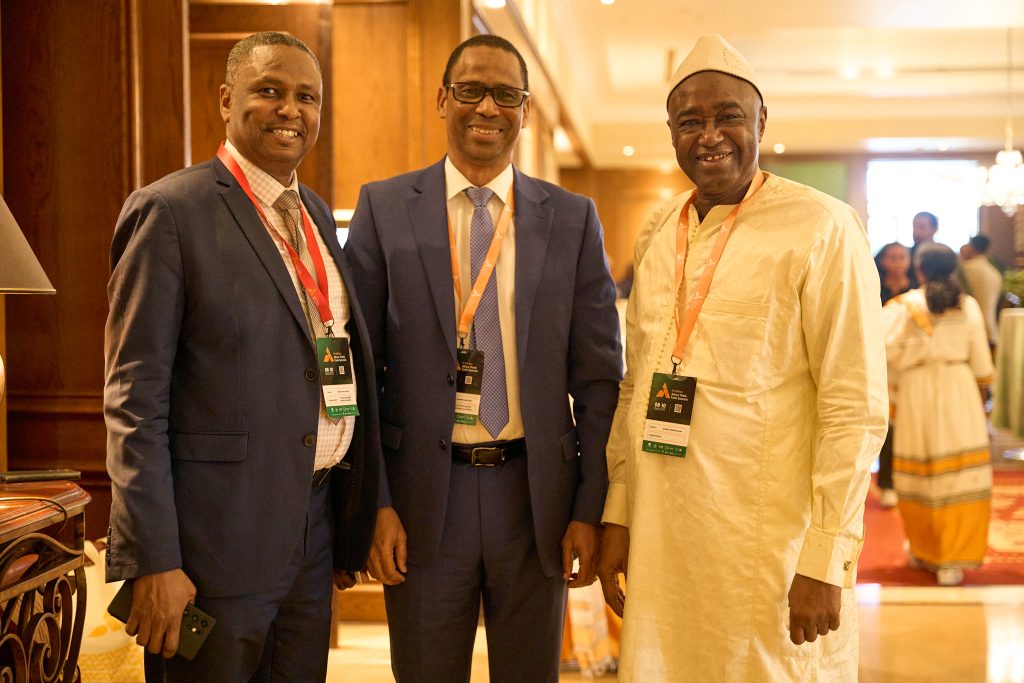
Reflecting on the significance of the gathering, H.E. Selma Malika Haddadi, Deputy Chairperson of the African Union Commission, described the summit as “a movement for accountability and action.”
Her remarks captured the spirit of a summit that combined policy dialogue, knowledge generation, and institutional partnerships to support Africa’s fiscal sovereignty and the ambitions of Agenda 2063.
Vidéo des meilleurs moments
Regardez notre dernière vidéo récapitulative et découvrez-en davantage sur notre travail et notre impact.
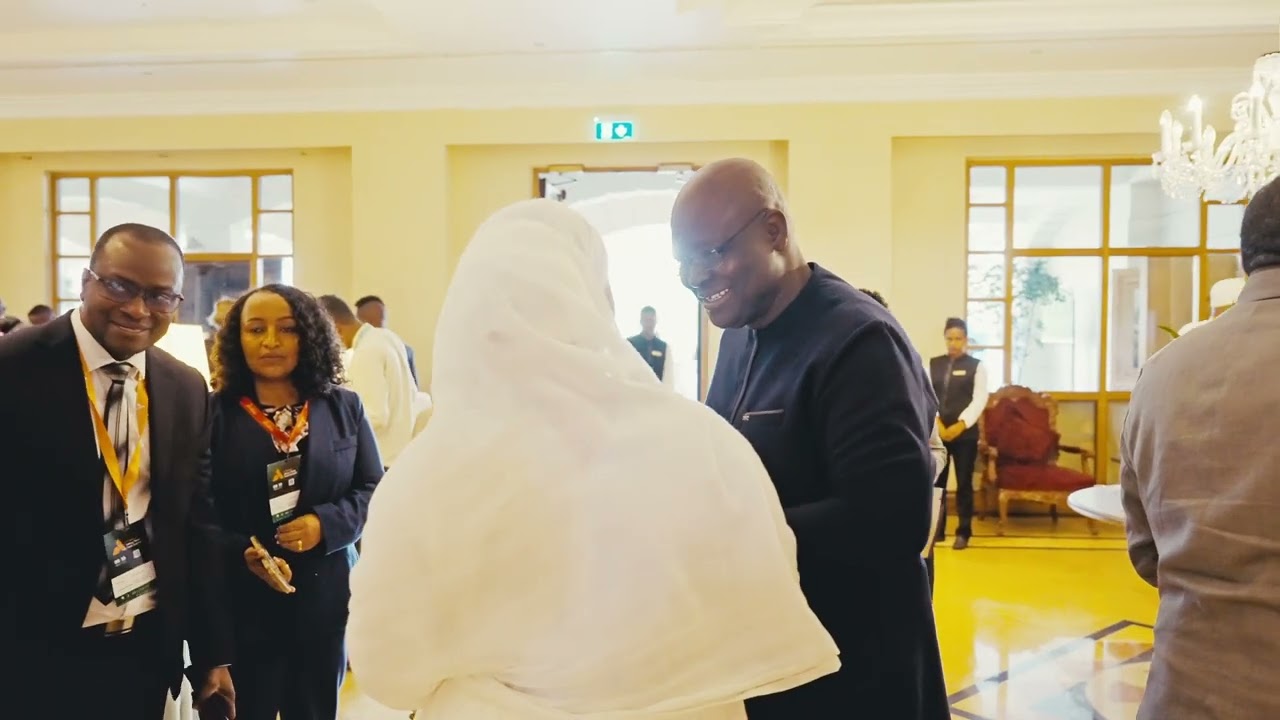
Africa Think Tank Summit 2025 Opening Ceremony
Africa Think Tank Summit 2025 Opening Ceremony