
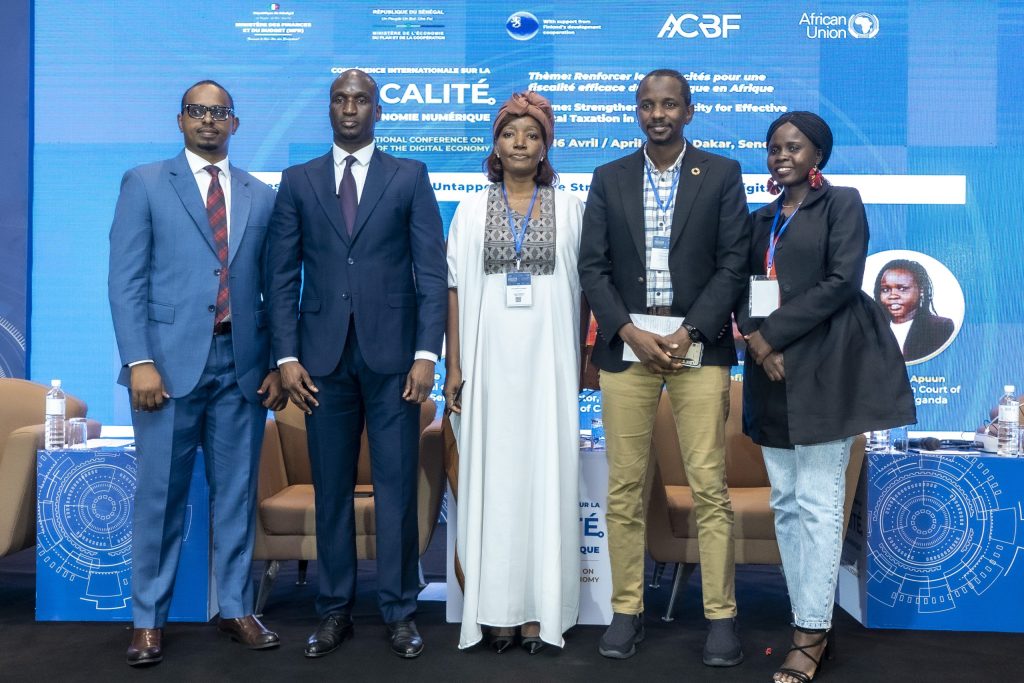
More than 560 participants from over 20 countries convened in Dakar to strengthen digital tax capacity, advance fiscal sovereignty and shape a unified African approach to taxation in the digital economy.
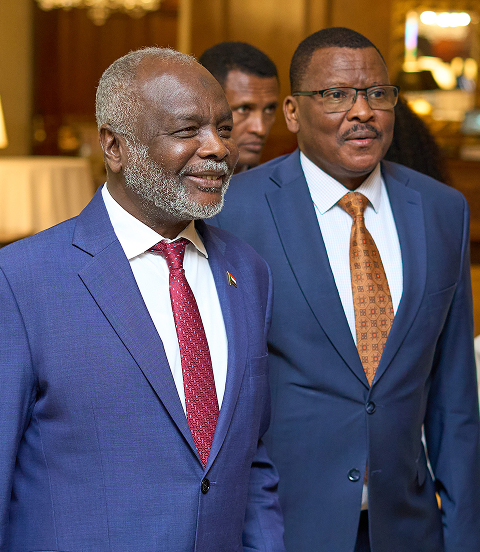
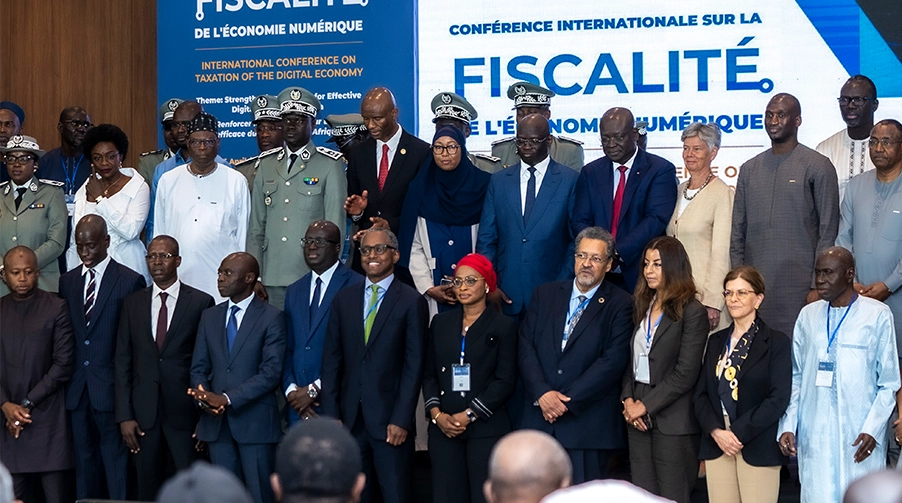
The inaugural International Conference on the Taxation of the Digital Economy in Africa brought together policymakers, tax administrators, researchers, digital experts and development partners in Dakar, Senegal, on April 15-16, 2025, to chart a common path for taxing Africa’s rapidly expanding digital economy.
Organized by the African Capacity Building Foundation (ACBF) with support from the governments of Senegal and Finland, the conference focused on strengthening capacity for effective digital taxation and advancing domestic resource mobilization across the continent.
Opening the conference, Senegal’s Minister of Finance and Budget, Cheikh Diba, placed the discussions within the context of Africa’s accelerating digital transformation and broader development agenda.
His remarks set the tone for two days of dialogue focused on ensuring that Africa captures a fair share of value generated through digital economic activity while strengthening its capacity to finance development through domestic resources.
Africa is at the forefront of a digital revolution. Mobile platforms, startups, e-commerce, and neobanks are transforming our economies. Agenda 2063 and the African Continental Free Trade Area (AfCFTA) call for fair taxation and digital sovereignty. It is time to act.
Hon Cheikh Diba
Senegal’s Minister of Finance and Budget
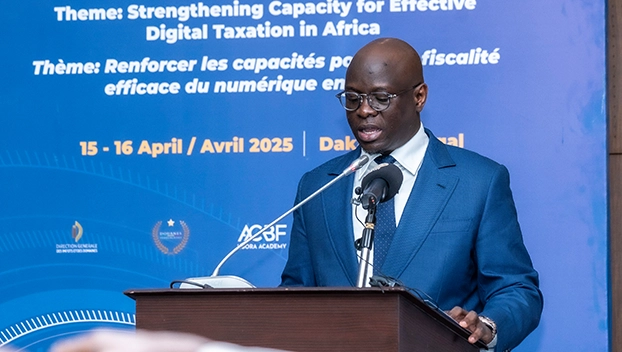
Mamadou Biteye, ACBF Executive Secretary, linked digital taxation to Africa’s growing commitment to self-reliance and sustainable development financing. “This conference is held in a global context of affirmation of sovereignty but also of globalization with a rapid digital transformation of the world economy and our societies,” he said in his opening remarks.
Biteye noted the challenges facing African countries as external development financing becomes increasingly constrained and emphasized the importance of strengthening domestic resource mobilization.
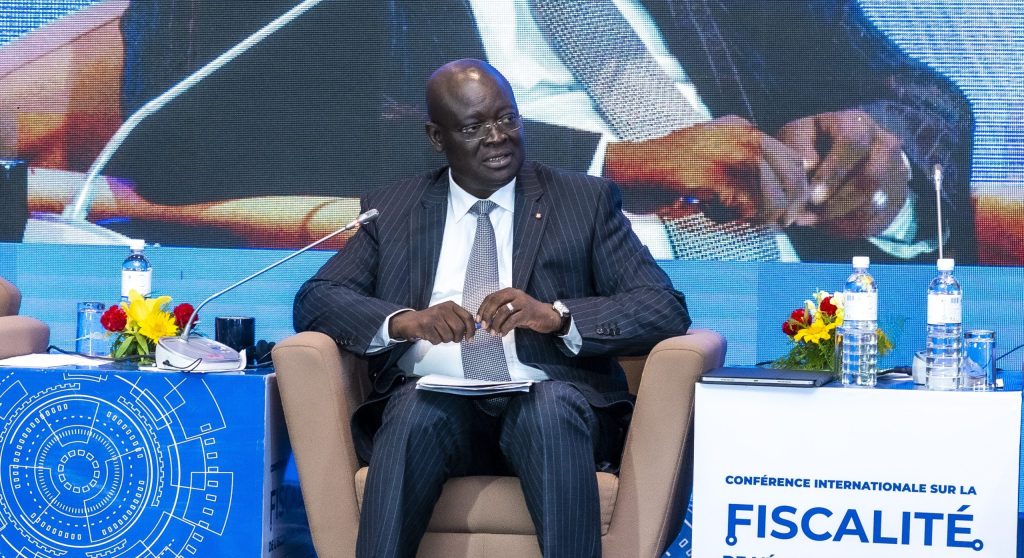
The current context of the African economy is marked by the growing desire of African countries to take charge of their own development with full sovereignty by mobilizing internal resources and establishing an effective tax system to support their sustainable development.
Mr Mamadou Biteye
ACBF Executive Secretary
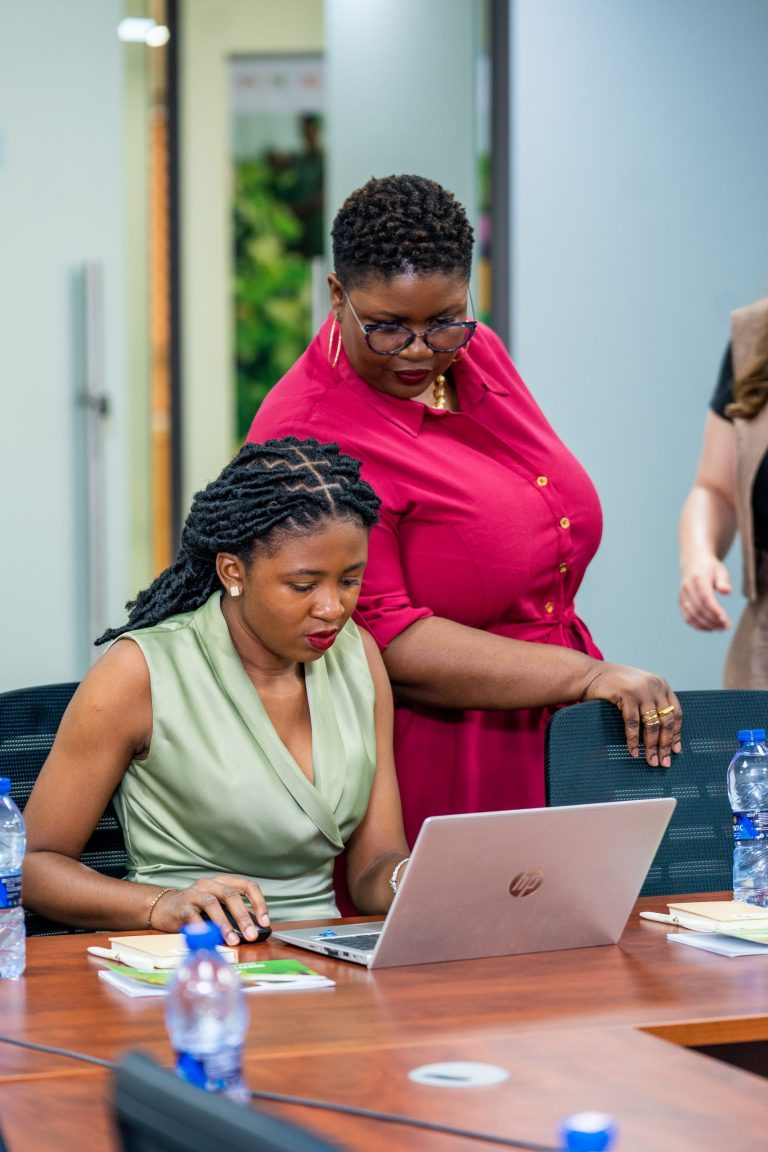
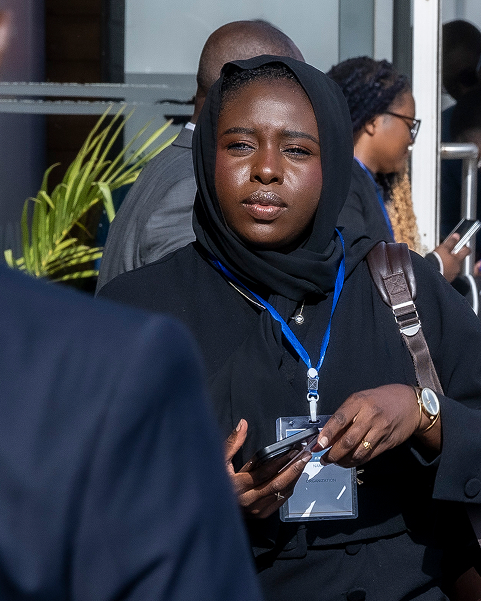
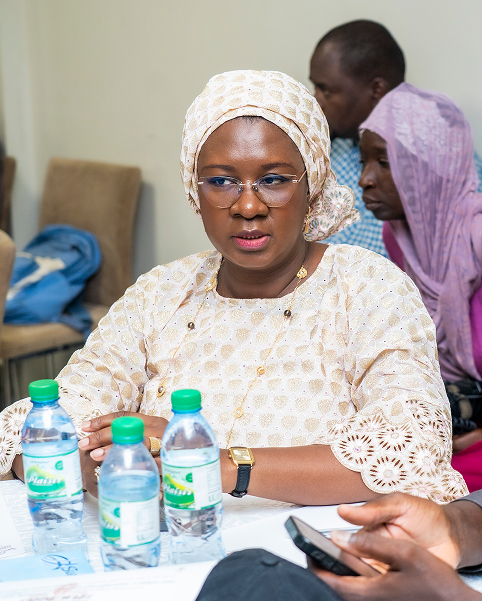
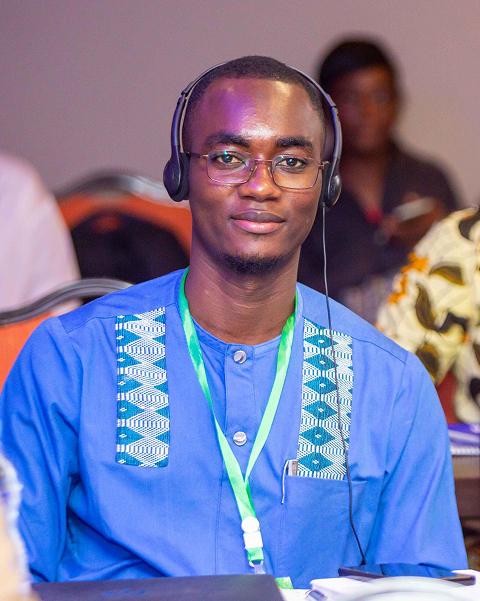
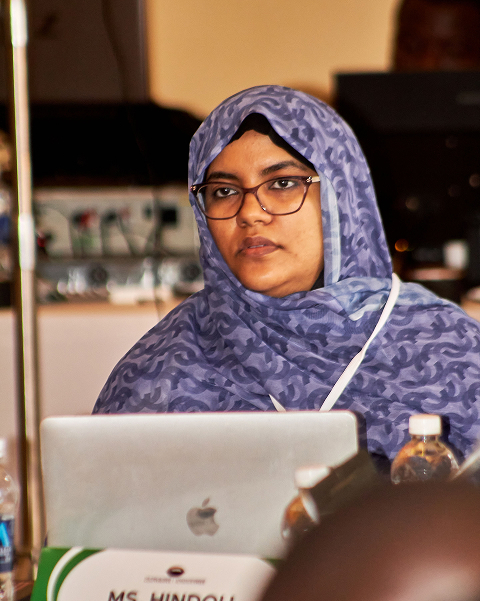
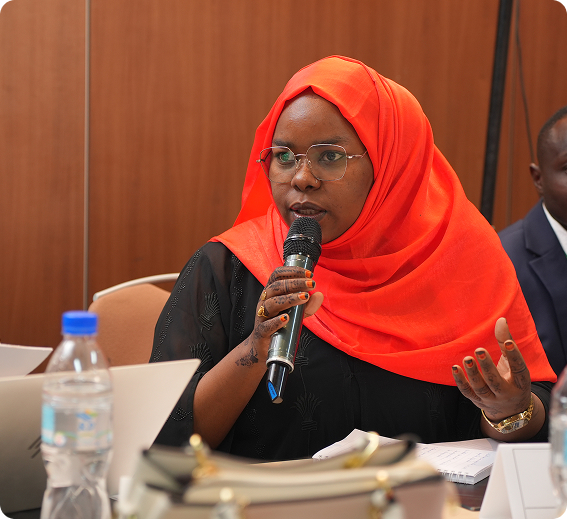
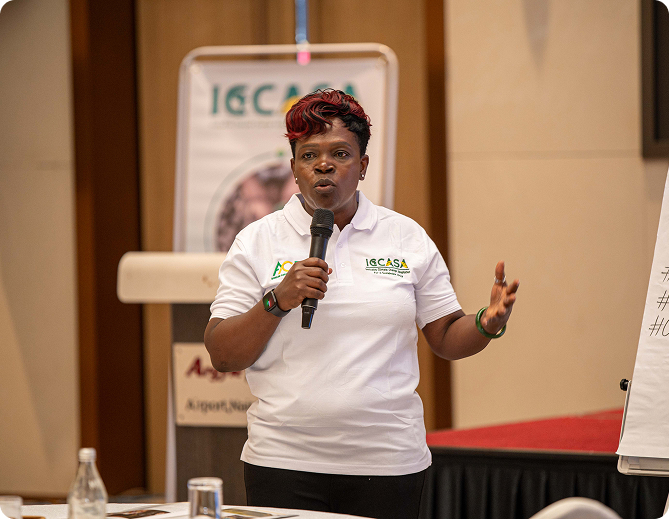
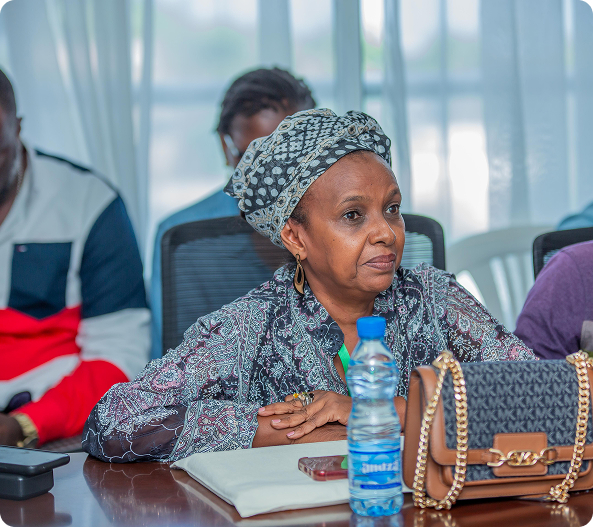
The conference attracted broad participation from across Africa and beyond. More than 300 participants attended in person, while 261 joined virtually. The event brought together representatives from over 20 countries, 20 institutions, 20 speakers and 50 journalists, reflecting growing interest in digital taxation as a strategic policy issue for the continent.
Building Capacity for Africa’s Digital Future
Throughout the conference, participants examined the opportunities and challenges associated with taxing the digital economy. Discussions covered taxation policies, administrative reforms, institutional modernization, digital payment systems and Africa’s position in global tax negotiations.
Case studies from Finland, Portugal and India provided practical examples of how countries are adapting tax systems to changing economic realities.
The first thematic session explored the size, scope and complexity of Africa’s digital economy. Speakers emphasized the need for stronger legal frameworks, regional coordination and institutional capacity to address emerging forms of value creation.
Mohamed Omar, ACBF tax expert and former commissioner at the Kenya Revenue Authority, stressed the importance of understanding the full dimensions of the digital economy and called for harmonized approaches that support effective revenue generation across the continent.
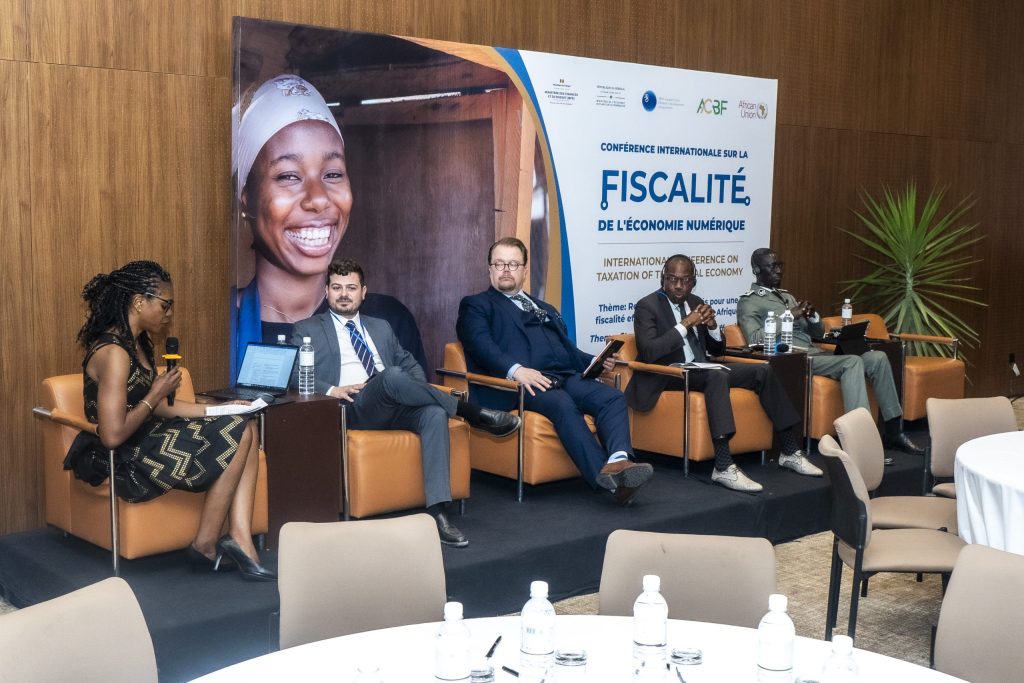
Subsequent discussions focused on policy and administrative approaches to taxing digital transactions, including value-added tax compliance, taxation of non-resident companies, and strategies to strengthen enforcement.
Experts from revenue authorities, academia, and regional institutions shared experiences highlighting the importance of efficient compliance systems and modern tax administration tools.
Representatives from Kenya, Rwanda, Nigeria, Burkina Faso and Senegal emphasized the benefits of digitalizing tax administration through integrated systems, application programming interfaces, data analytics and real-time transaction monitoring.
Finland’s experience with a real-time economy model illustrated how technology can improve efficiency, transparency and compliance.
Knowledge sharing was central to the conference’s objectives as participants exchanged lessons from diverse national experiences, explored practical solutions, and identified opportunities for cross-border collaboration.
This focus aligns with Agenda 2063, which recognizes knowledge, innovation and strong institutions as critical drivers of Africa’s transformation. The discussions reinforced the importance of investing in technical expertise and institutional learning to equip governments for the demands of an increasingly digital economy.
Anu Saxen, Ambassador of Finland to Senegal, emphasized the need for tax systems that evolve alongside economic transformation.
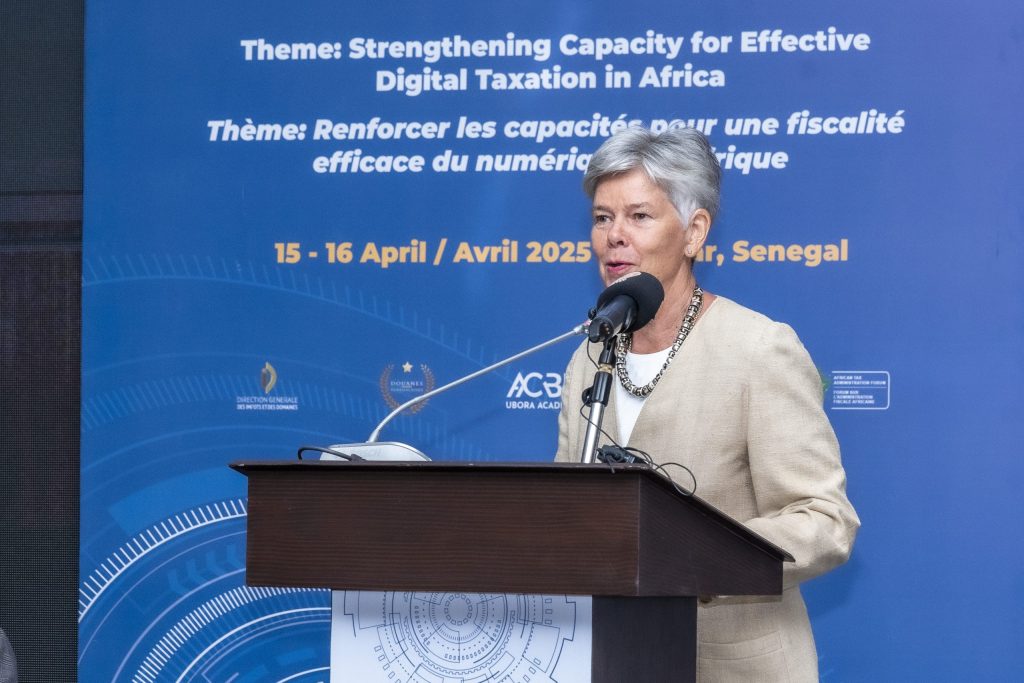
Taxation frameworks must evolve to ensure equity, efficiency, transparency, and sustainability. We are committed to supporting this advancement through collaboration
Amb Anu Saxen
Ambassador of Finland to Senegal
Advancing a Unified African Position
Parallel sessions examined untapped revenue streams within the digital economy and the role of digital payment systems in strengthening tax administration. Participants reviewed international experiences, including European compliance systems and Brazil’s split-payment mechanisms, while exploring how transaction data can improve tax collection and compliance. Discussions highlighted the importance of balancing effective enforcement with appropriate safeguards for privacy and data protection.
The conference also provided a platform for discussions on Africa’s role in shaping international tax norms.
Speakers from the African Union Commission, African Development Bank, Tax Justice Network Africa, West African Tax Administration Forum (WATAF) and ACBF stressed the value of coordinated policies, shared standards and stronger representation in global tax negotiations.
Patrick Olomo, head of economic policy and sustainable development at the African Union Commission, called for greater ambition and coordination across the continent.
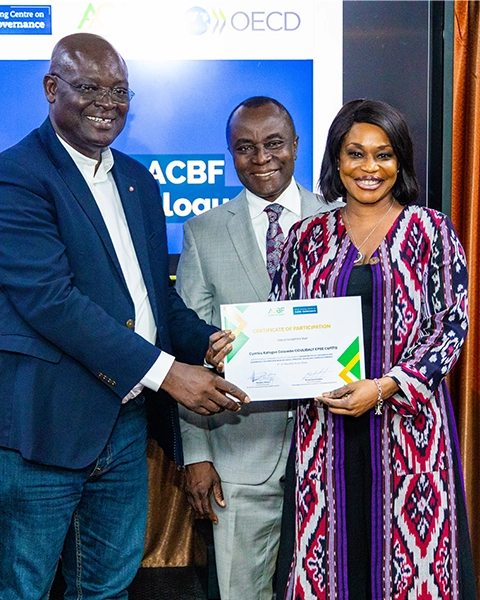
A major milestone of the conference was the launch of the Building Excellence in Taxation and Administration (BETA) program through Ubora Academy, with support from Finland.
The initiative aims to train public officials in digital taxation, governance and research, while expanding access to courses, webinars and knowledge resources that support policy development and institutional strengthening.
The BETA program reflects the conference’s commitment to long-term capacity development. Planned areas of study include good governance and transparency in taxation, taxation of the digital economy, and economic research and policy design.
These priorities support Africa’s efforts to strengthen institutional effectiveness and develop the skills required to manage increasingly complex economic systems.
Participants highlighted the value of peer learning and practical exchange throughout the conference.
Chomba Mwansa, Policy and Legislation Officer at the Zambia Revenue Authority, described the event as “a steppingstone for revenue authorities in Africa,” noting that the opportunity to learn from experiences across the continent provided valuable insights into both successful approaches and common challenges in taxing the digital economy.
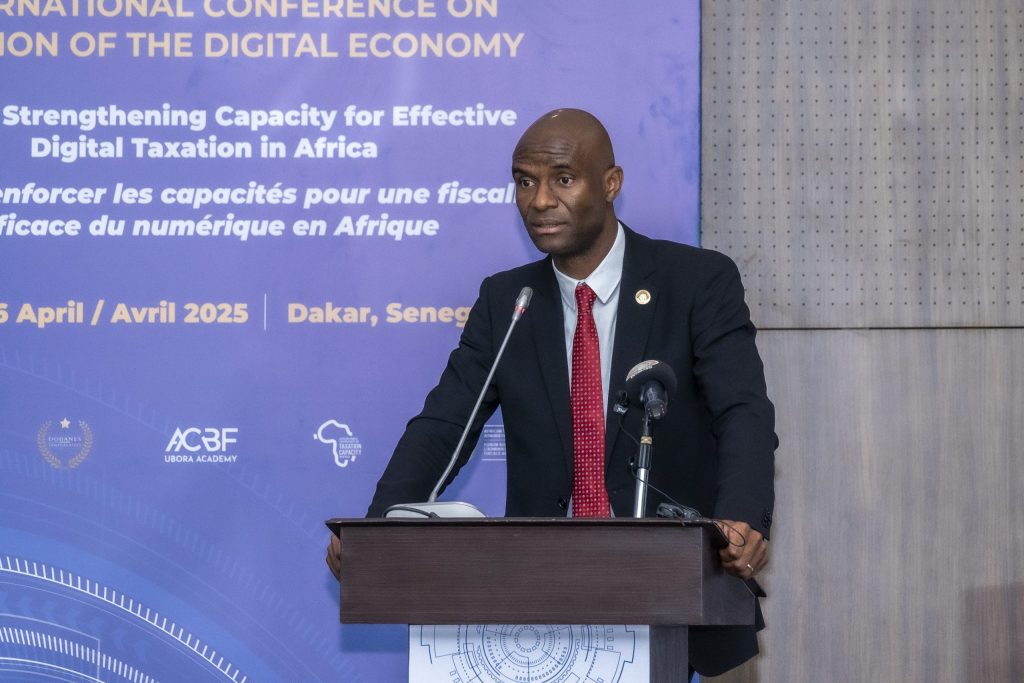
Africa’s potential is unmatched. This is our moment. We must be ambitious and seize every opportunity through unified negotiation and action
Dr Patrick Olomo
Head of Economic Policy and Sustainable Development – African Union Commission
From Dialogue to Action
International partners also identified opportunities for deeper cooperation. Dr. Sreeparvathy S.L., Additional Director at India’s National Academy of Customs and Taxes, said the conference provided an important opportunity to share India’s experience while gaining a deeper understanding of Africa’s policy trajectory.
She expressed optimism about future collaboration between African countries and India on taxation issues and described the conference as the beginning of stronger cooperation.
Dr. Timo Voipio, Senior Advisor at Finland’s Ministry of Foreign Affairs, reaffirmed Finland’s commitment to supporting domestic resource mobilization in Africa. He noted that sustainable development financing increasingly depends on countries’ ability to generate internal resources and emphasized the importance of collaboration among pan-African institutions.
The conference concluded with the adoption of an outcome document that establishes a roadmap toward a unified digital tax framework for Africa.
Participants committed to developing a harmonized continental strategy, strengthening technical support and training, modernizing tax administrations through real-time information systems and promoting regional exchange and peer learning.
The resolution also calls for updating the Common African Position on taxation to reflect the evolving digital economy and advancing a digital taxation strategy aligned with the African Union’s Digital Transformation Strategy.
My key takeaway is really that it is important that Pan-African organizations work together
Dr. Timo Voipio
Senior Advisor at Finland’s Ministry of Foreign Affairs
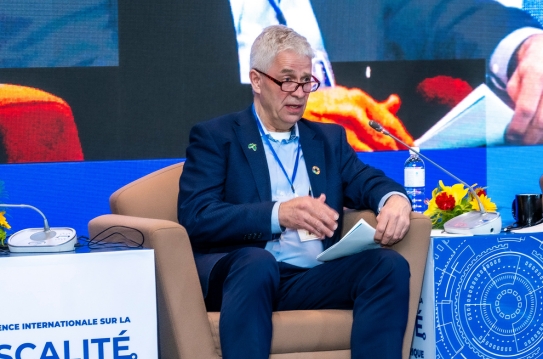
Conference outcomes to be presented to the AU Sub-Committee on Tax and Illicit Financial Flows as part of ongoing efforts to strengthen Africa’s collective voice in global tax discussions.
The gathering closed with a shared commitment to transform Africa’s digital revolution into a source of sustainable revenue, economic resilience and fiscal sovereignty.
Through stronger institutions, deeper collaboration, and continued investment in knowledge and capacity, participants outlined a path to ensure the continent’s digital transformation directly contributes to its development ambitions under Agenda 2063.
Watch Participant Reflections
In testimonial videos, participants share insights on the value of the dialogue and lessons drawn from peer collaboration:

Chomba Mwansa
Zambia Revenue Authority
Testimonials from the International Conference on the Taxation of the Digital Economy

Dr. Sreeparvathy S.L.
Senior Advisor, Ministry of Foreign Affairs
Finland Additional Director, National Academy of Customs and Taxes, India

Dr. Timo Voipio
Senior Advisor, Ministry of Foreign Affairs, Finland
Testimonials from the International Conference on the Taxation of the Digital Economy
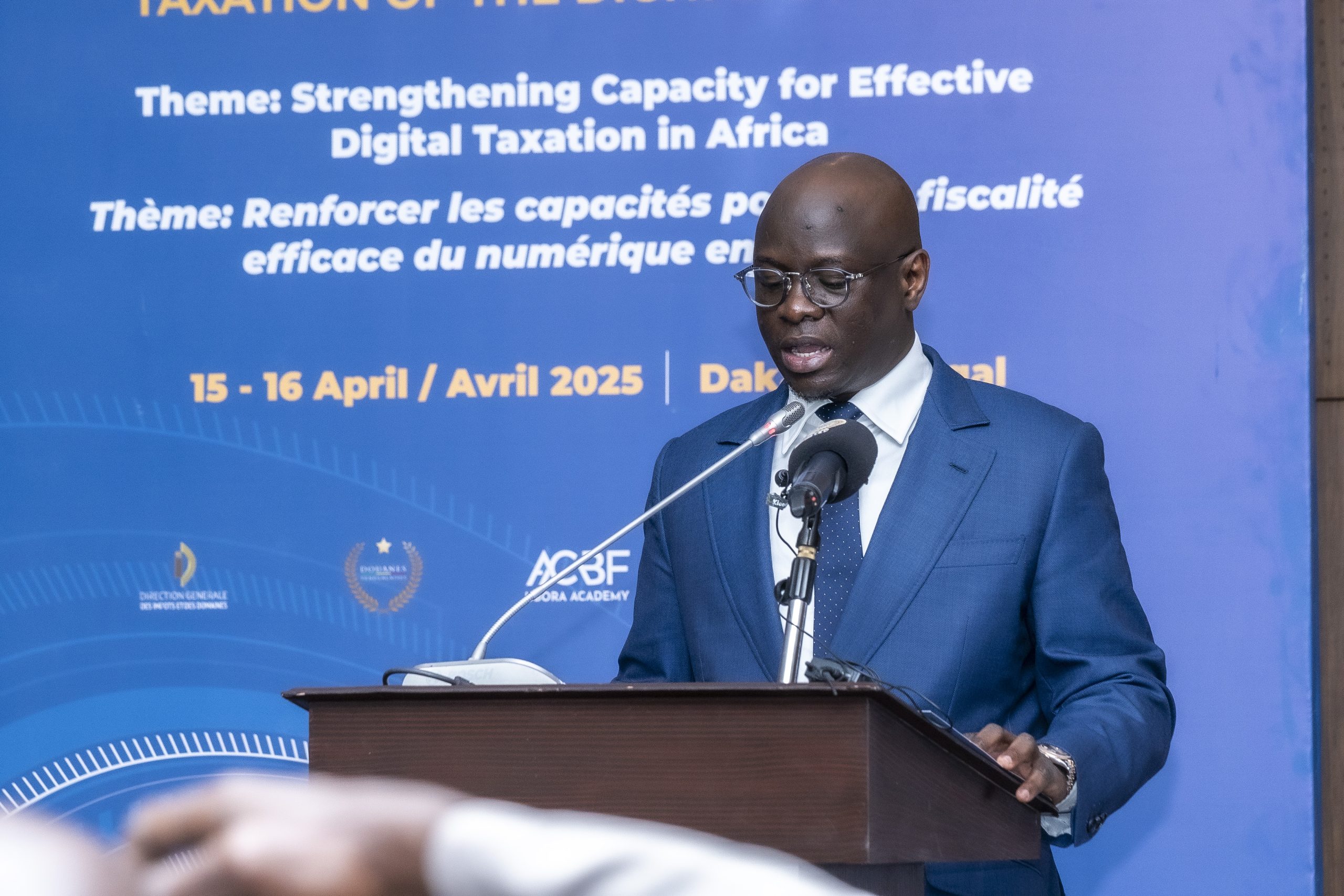
Mr. Cheikh Diba
Minister Of Finance and Budget, Senegal
Highlights of the International Conference on Taxation of the Digital Economy