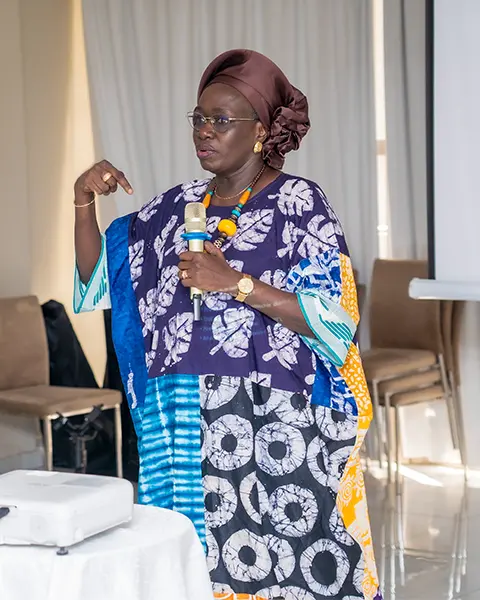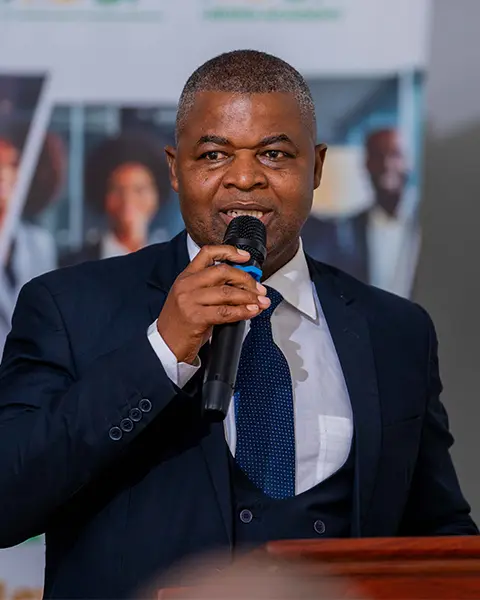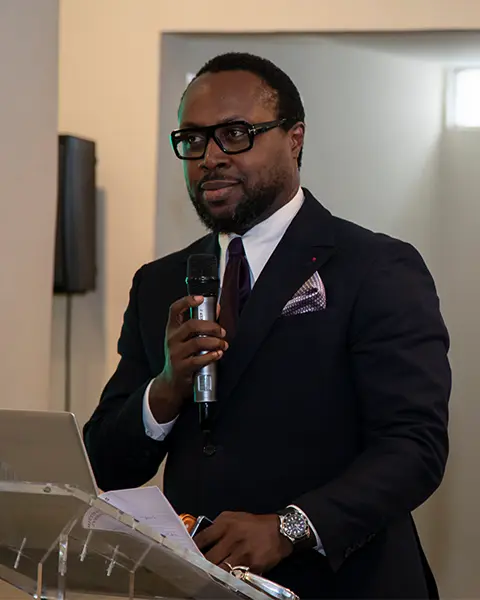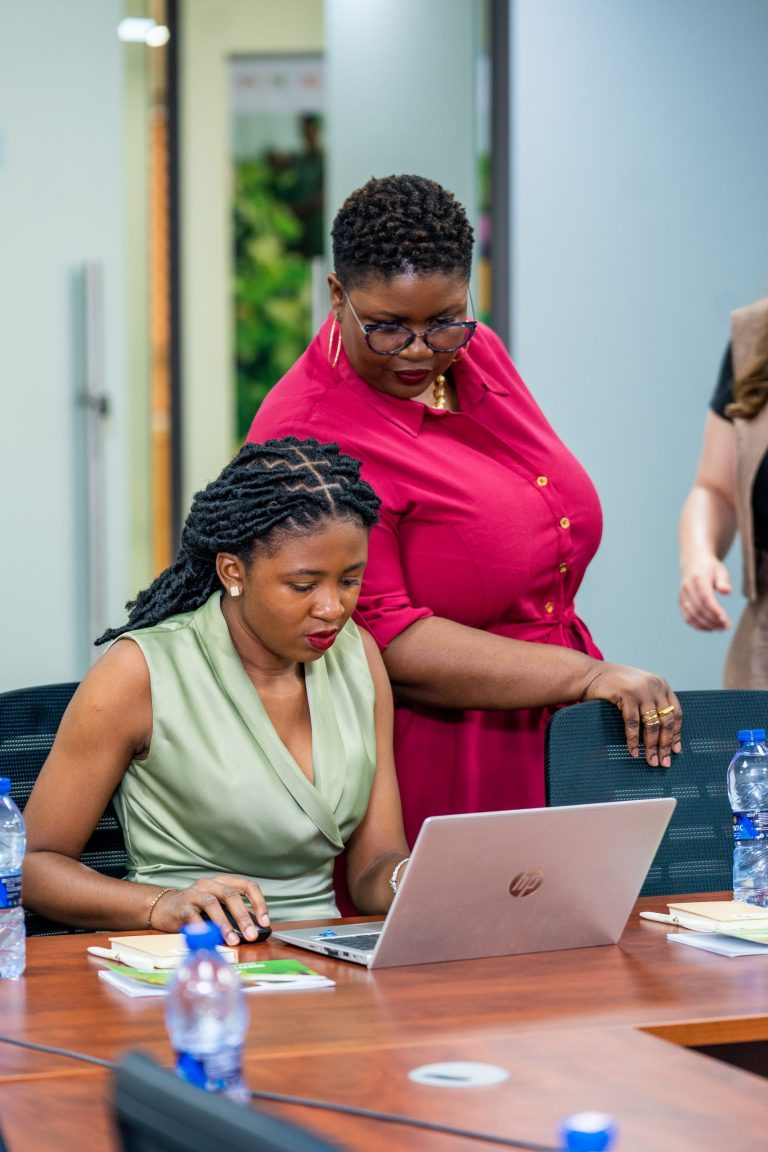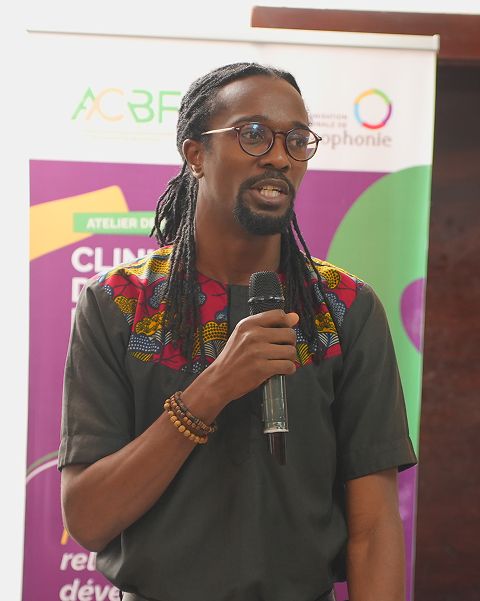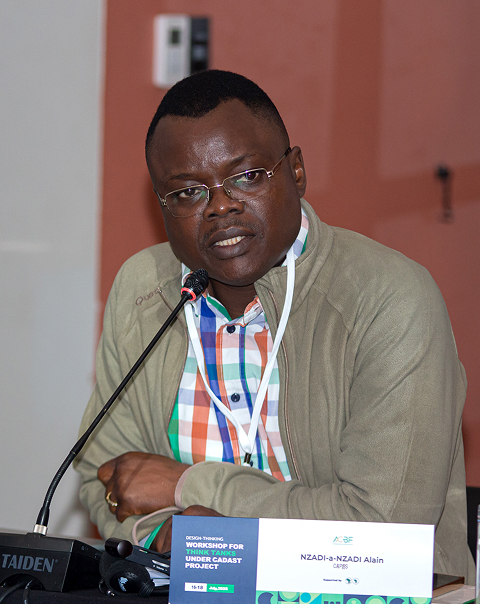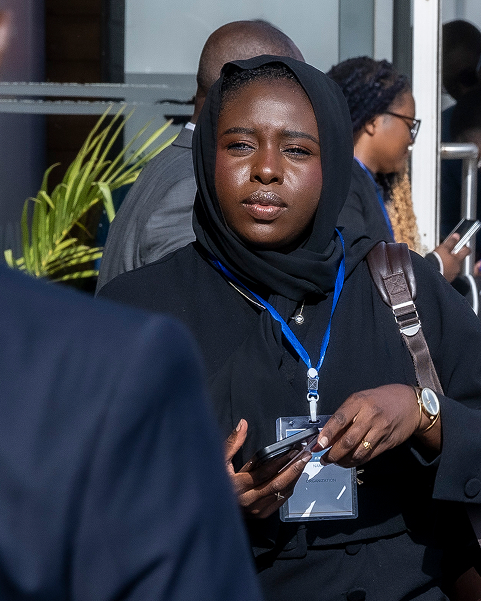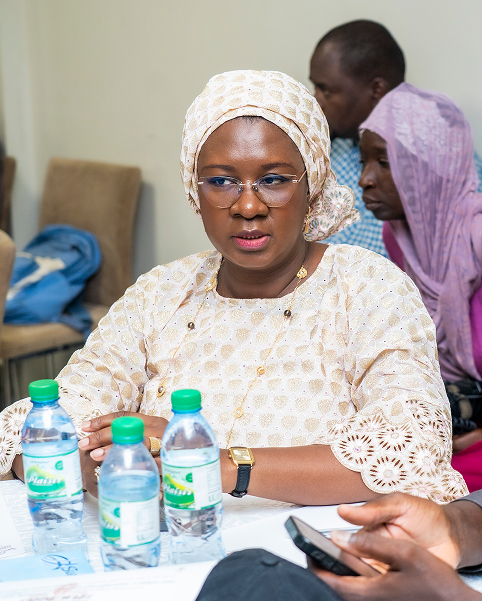

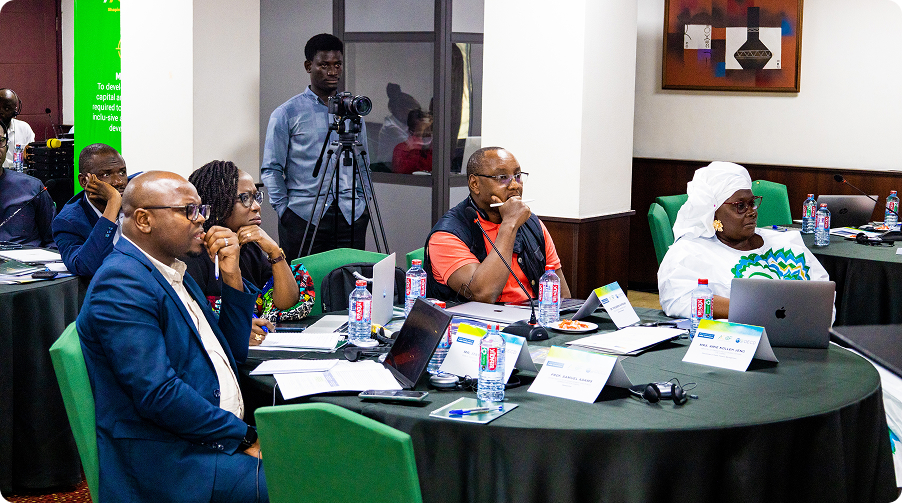
Public sector reform leaders from Africa, MENA and OECD countries met in Accra to exchange lessons, strengthen policy coherence and advance digital, inclusive and green governance.
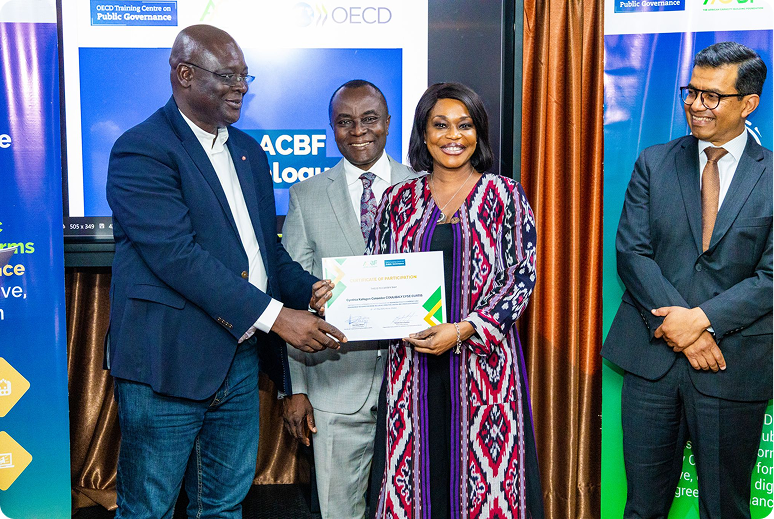
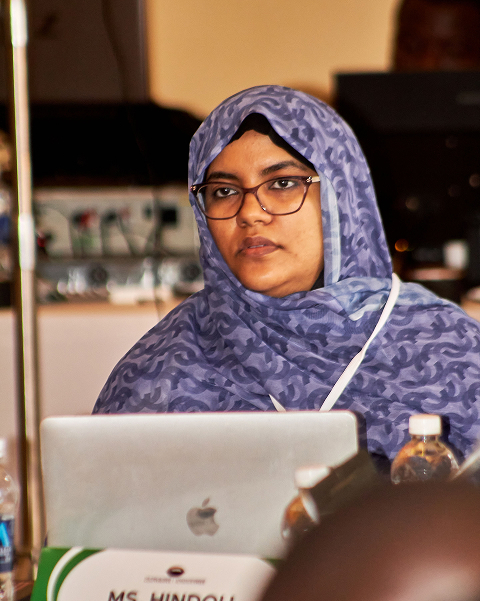
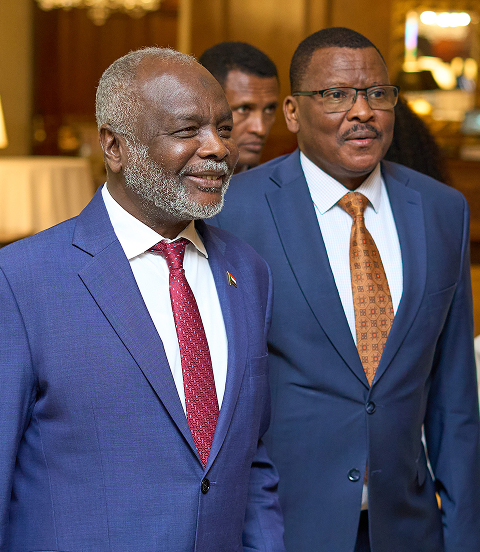
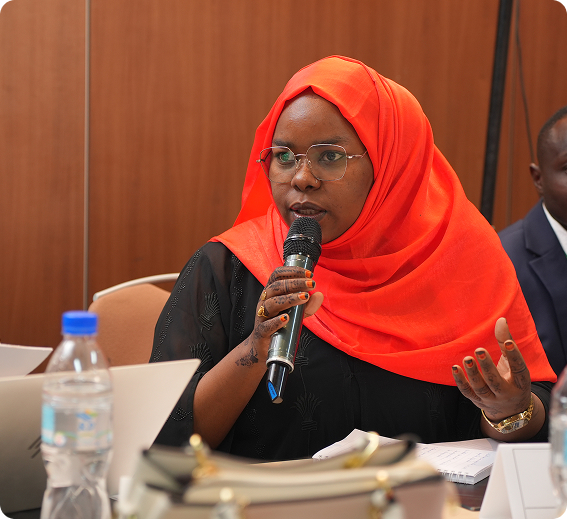
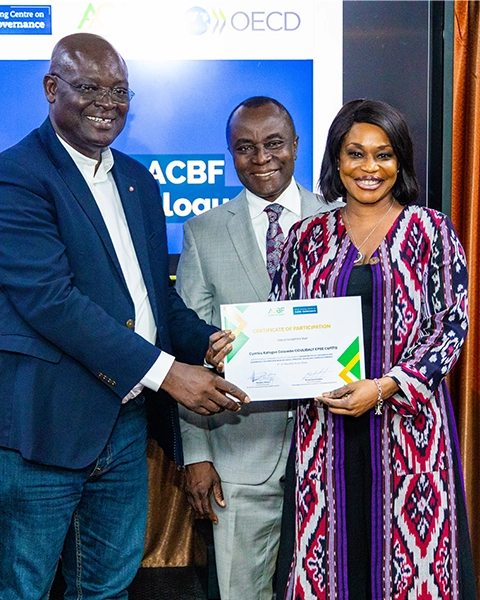
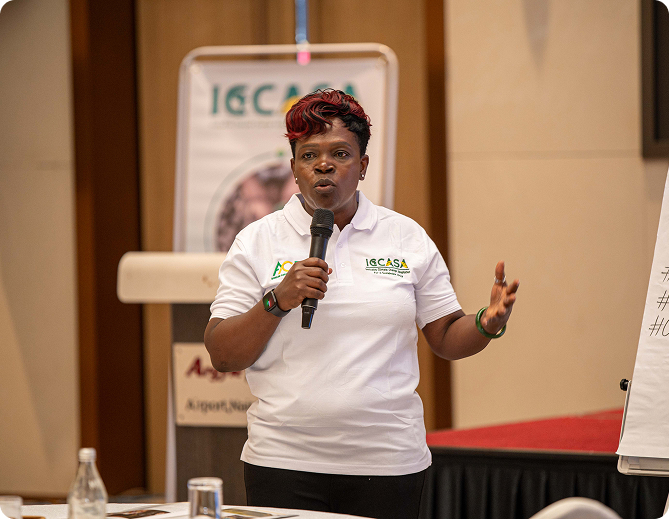
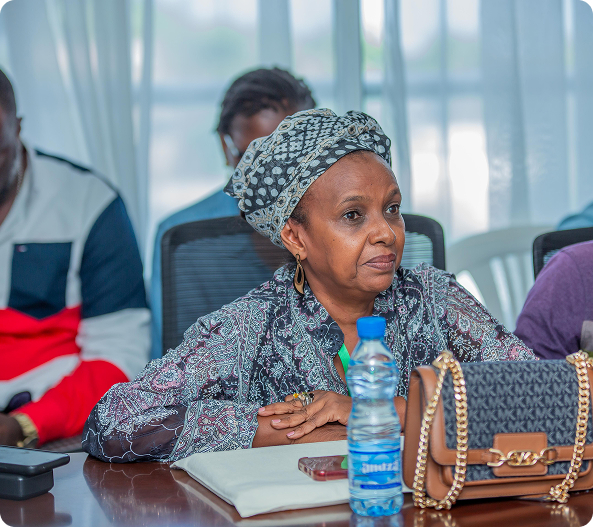
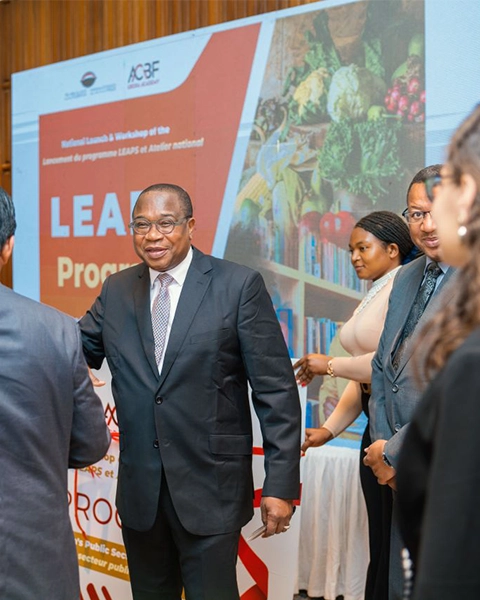
Public administration leaders from Africa, the Middle East and North Africa, and member countries of the Organization for Economic Co-operation and Development (OECD) convened in Accra, Ghana, on 5–6 May 2025 for a high-level policy dialogue focused on advancing public administration reforms and policy coherence for more inclusive, effective, digital and green governance.
The event, jointly organized by the African Capacity Building Foundation (ACBF) and OECD, brought together senior officials responsible for public sector reforms to share experiences, exchange practical solutions, and strengthen institutional approaches to governance.
The dialogue forms part of a broader strategic partnership between ACBF and the OECD aimed at accelerating public governance reforms, policy coherence and sustainable development across Africa.
The partnership combines the OECD’s global expertise in policy frameworks, data and analysis with ACBF’s mandate as the African Union’s specialized agency for institutional capacity development.
Together, the two organizations support African countries in advancing digital transformation, strengthening public institutions and promoting inclusive and environmentally sustainable governance systems.
Participants from Cameroon, Côte d’Ivoire, Czechia, The Gambia, Ghana, Italy, Kenya, Morocco, Senegal and Zimbabwe explored approaches to modernizing public administration through peer exchanges, case studies and technical discussions.
Sessions focused on interministerial coordination, whole-of-government reforms, climate-responsive public administration, digital transformation strategies, collaborative planning and citizen-centered service delivery.
The dialogue also examined tools for monitoring policy coherence and improving coordination across government institutions.
A strong theme throughout the discussions centered on learning from practical reform experiences and adapting successful approaches to different national contexts.
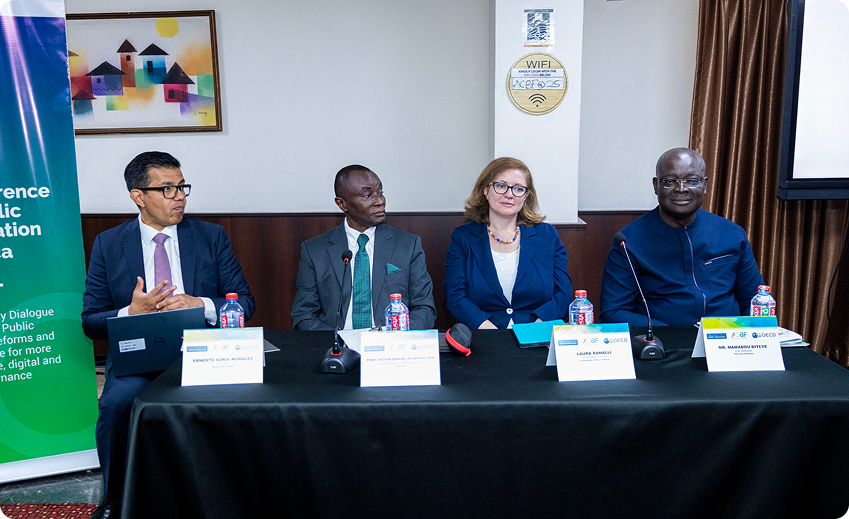
Participants reflected on achievements, implementation challenges and opportunities for collaboration that can strengthen governance outcomes across countries.
Abdoulie S. Bah, Economist at the Ministry of Finance of The Gambia, said that the forum provided valuable exposure to reform initiatives from across the continent.
He described the two-day engagement as “a very good interactive session” and “very enriching,” highlighting the opportunity to learn from countries that have advanced significant administrative reform programs.
Bah explained that his institution coordinates and monitors public financial management reforms to ensure the strategic allocation of resources.
Among the presentations that resonated most strongly with the Gambian delegation was Kenya’s experience in public financial management and digital transformation.
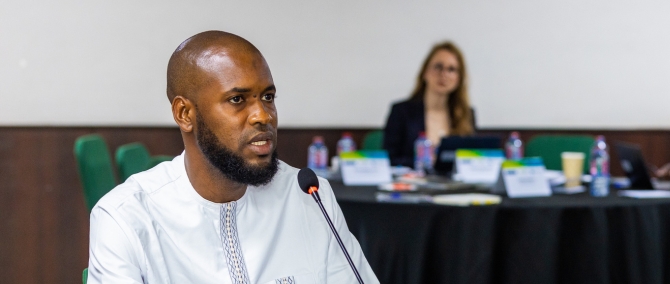
One of the presentations that really stood out for us was the presentation from Kenya on public finance management. Their level of digitalization is also something that we tend to adopt back home so that we can enhance our public finance management.
Abdoulie S. Bah
Economist at the Ministry of Finance of The Gambia
His reflections captured one of the dialogue’s central objectives, creating opportunities for countries to identify practical reforms that can strengthen institutional performance and improve public service delivery.
Advancing Policy Coherence Through Partnership and Collaboration
The exchange of experiences highlighted the role of strong public institutions, evidence-based policymaking and coordinated implementation in advancing national development ambitions and shared continental priorities that support the realization of the African Union’s Agenda 2063.
The value of peer learning emerged repeatedly during the dialogue as participants emphasized the importance of sharing experiences across countries facing similar governance and reform challenges.
Joel Bette, Program Coordinator for Public Financial Management Reforms in Kenya, identified knowledge exchange as his key takeaway from the forum. He noted that discussions revealed common challenges across countries and created opportunities to learn from successful reform experiences.
He explained that participants gained insights into challenges encountered during reform implementation and explored approaches that have helped countries overcome obstacles and achieve results.
Bette called for stronger collaboration among reform coordination units across participating countries. He encouraged the establishment of platforms that would support continuous exchange of ideas, regular assessments of reform progress and deeper peer learning on public administration and public financial management reforms.
The sharing experiences was very key for me because I was able to learn from others.
We can have a platform putting together all the reform coordinating units in our countries so that we are always exchanging ideas.
Joel Bette
Program Coordinator for Public Financial Management Reforms in Kenya
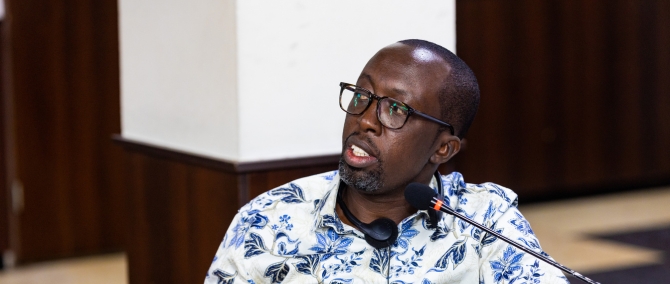
Such collaboration, he added, would support countries in tracking progress, comparing experiences and strengthening implementation efforts.
The dialogue also benefited from contributions from OECD member countries, enriching discussions with international perspectives on public sector modernization, digitalization and innovation.
Kristian Malina, Analyst at the Ministry of the Interior of the Czech Republic, welcomed the openness of the exchanges and the quality of engagement among participants.
“There was a very lively discussion,” he said. “People were very honest.”
Malina emphasized that innovation succeeds when countries adapt relevant practices to local realities. He expressed hope that elements of the experiences shared during the forum would support ongoing reform efforts across Africa and contribute to innovation in public administration.
The dialogue concluded with commitments to strengthen policy planning capacities, adopt more agile institutional structures, and expand South-South cooperation to support the implementation of reforms.

We have learned from each other, he said, reflecting a sentiment echoed throughout the event.
Kristian Malina
Analyst at the Ministry of the Interior of the Czech Republic
Participants recognized the importance of sustained collaboration and knowledge exchange in building public institutions that can respond effectively to evolving development priorities.
The Accra meeting demonstrated the strength of partnerships that connect African reform leaders with international expertise while grounding discussions in practical implementation experience.
Through their collaboration, ACBF and the OECD continue to create platforms that support mutual learning, strengthen institutional capacity and advance governance systems capable of delivering sustainable development outcomes across the continent.
Watch Participant Reflections
In these testimonial videos, participants shared insights on the value of the dialogue and lessons drawn from peer collaboration:
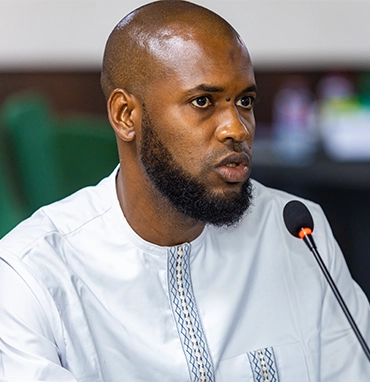
Abdoulie S. Bah
Economist, Ministry of Finance, The Gambia
ACBF–OECD Policy Dialogue on Public Administration and Policy Coherence
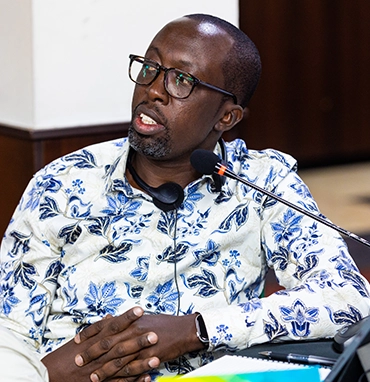
Joel Bett
Programme Coordinator, Public Financial Management Reforms, Kenya
ACBF - OECD Policy Dialogue
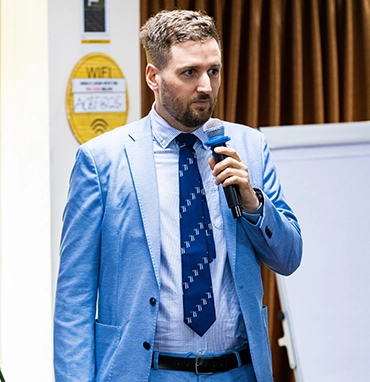
Kristian Malina
Analyst, Ministry of Interior, Czech Republic
ACBF - OECD Policy Dialogue