
Across Africa, tobacco control organizations are shifting their focus from short-term training initiatives to building long-term institutional systems that can sustain smoke-free policy efforts.
The shift reflects the African Capacity Building Foundation (ACBF)’s efforts to strengthen collaboration among partner organizations, support knowledge sharing across countries, and reinforce engagement with national tobacco control policy processes across the continent.
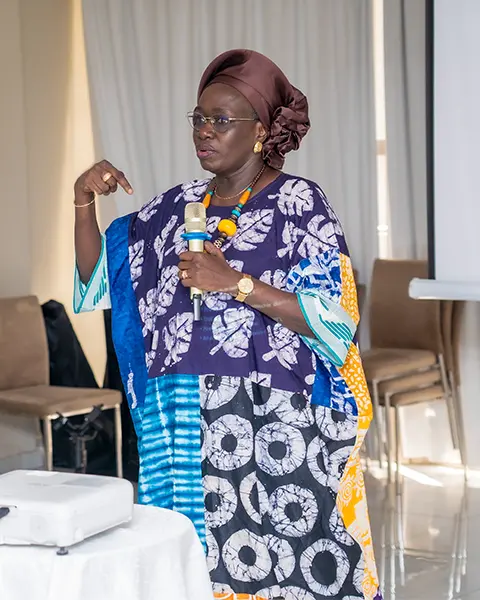
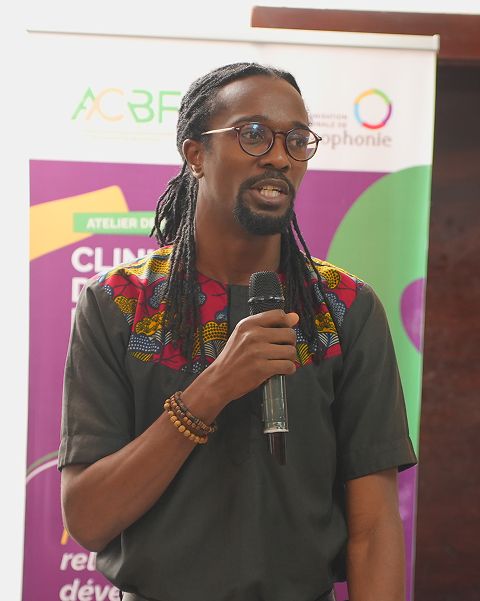
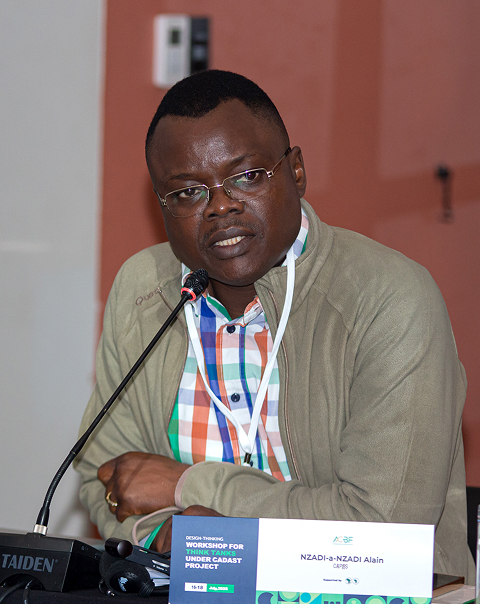
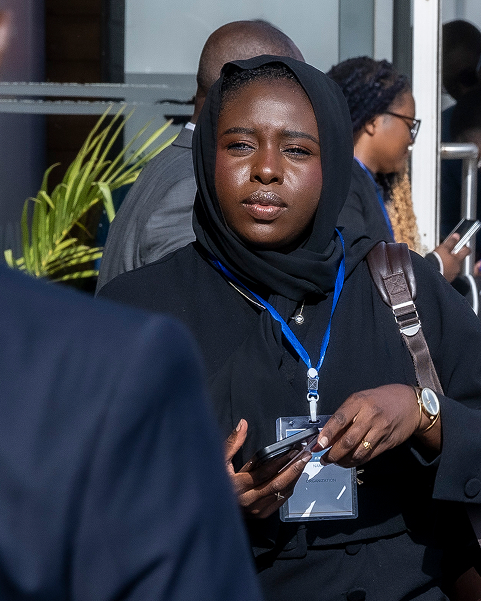
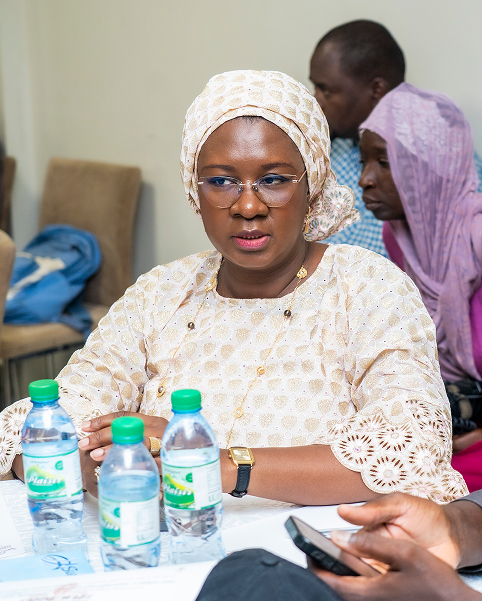
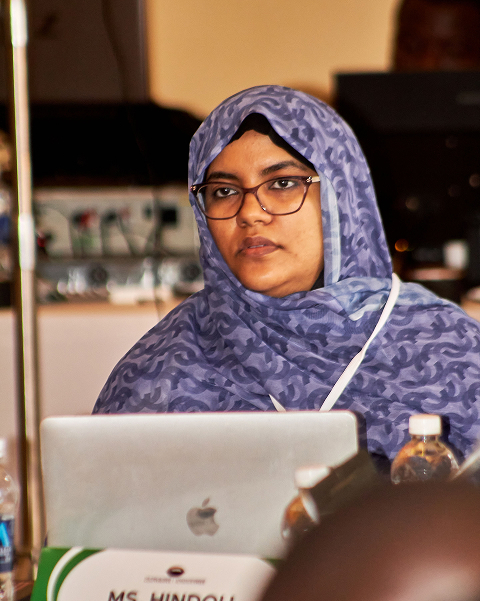
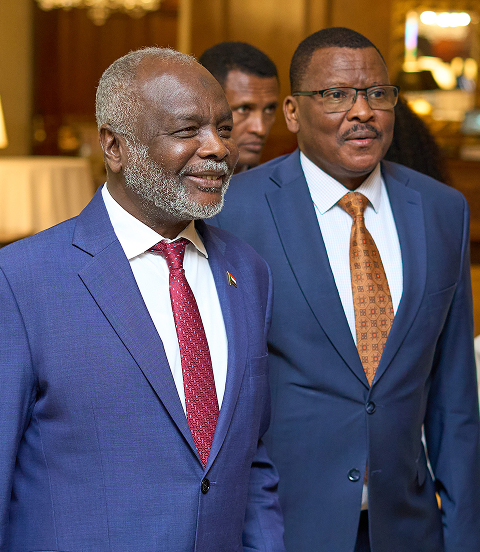
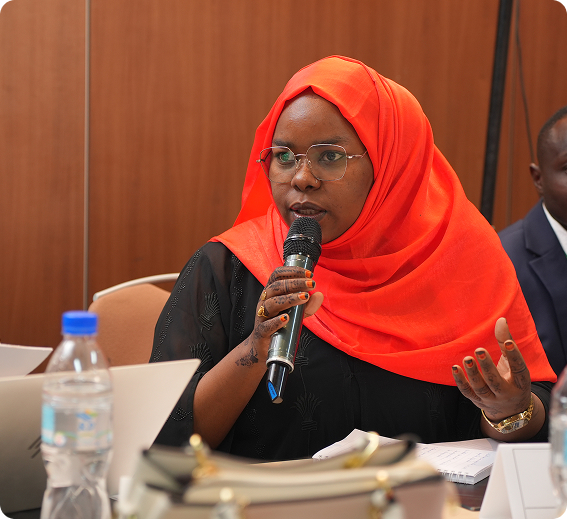
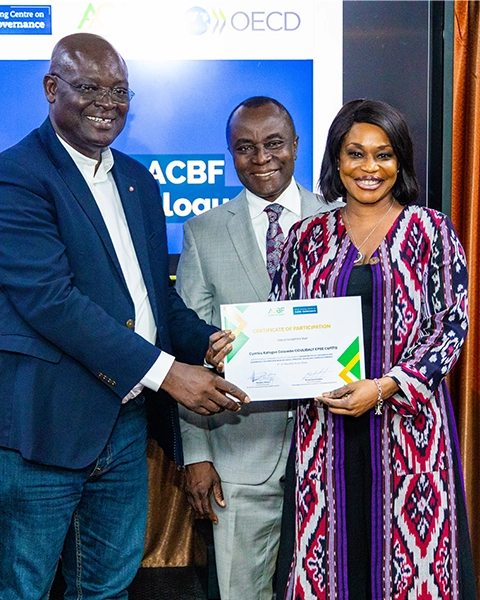
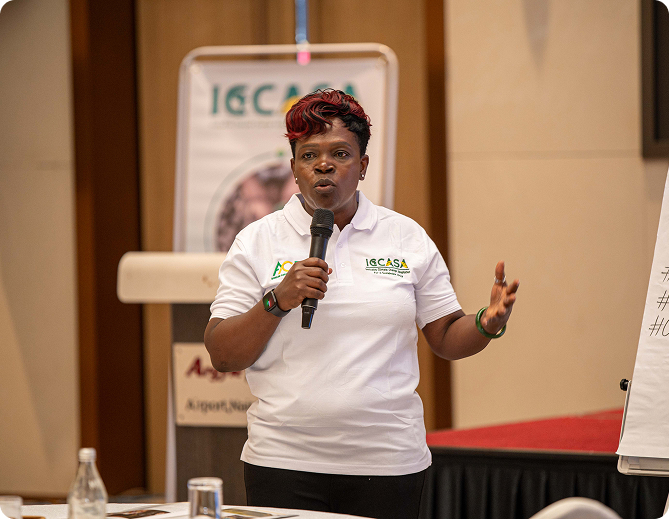
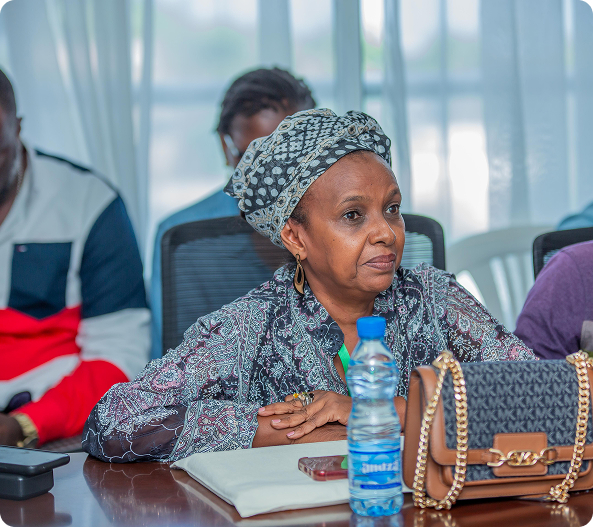
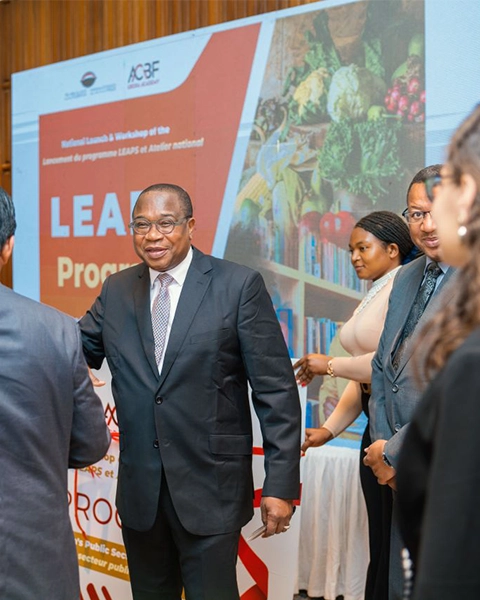
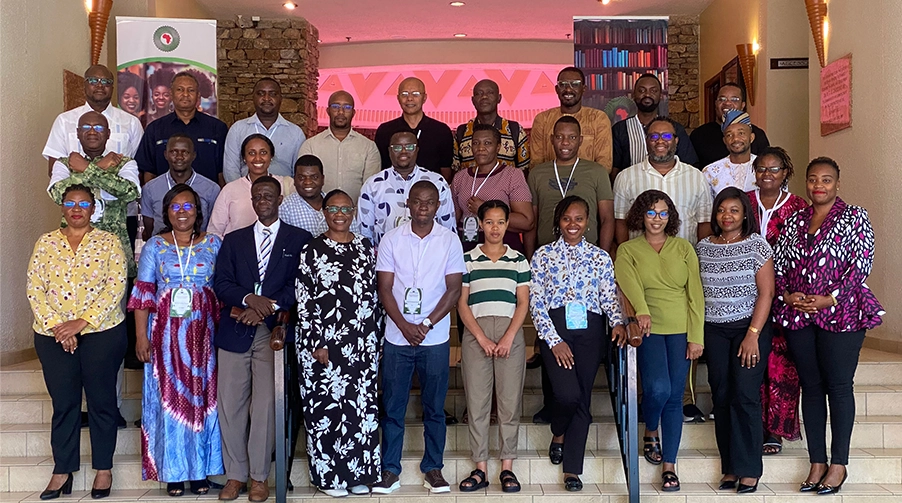
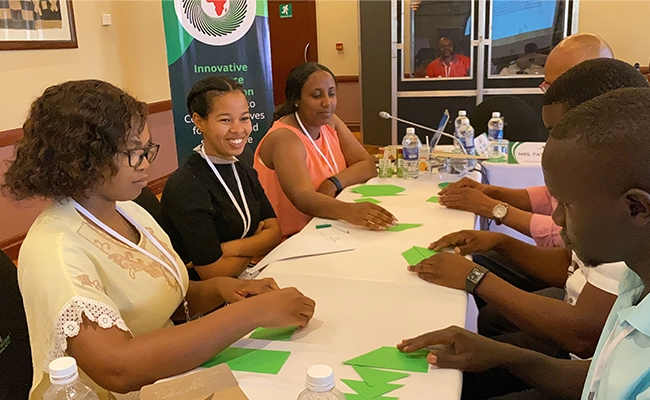
Beneficiaries of the Foundation’s Tobacco Control (TC III) program gathered in Victoria Falls, Zimbabwe, in February 2025 for a regional workshop focused on strengthening institutional coordination, sharing implementation experiences, and advancing smoke-free policy efforts in Africa.
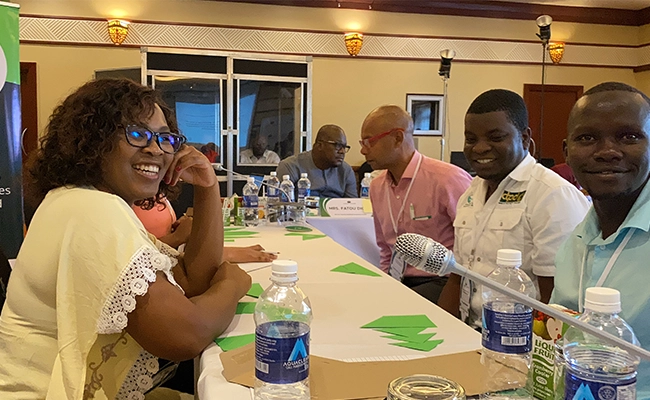
Representatives from 12 organizations across 11 countries participated in the workshop, including delegates from Benin, Côte d’Ivoire, the Democratic Republic of Congo, Ethiopia, Kenya, Mauritania, Nigeria, Senegal, South Africa, Uganda, and Zambia.
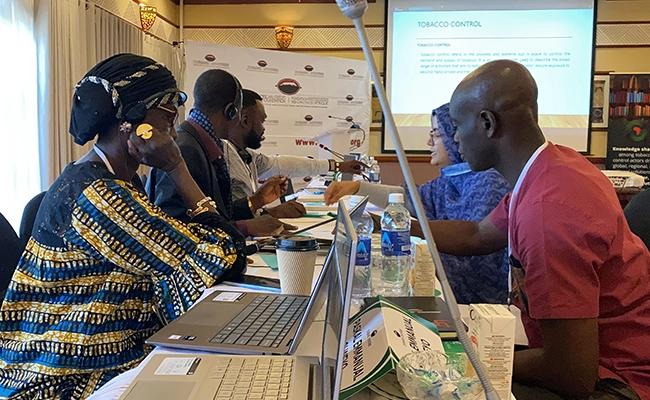
Civil society organizations and regional research institutions supported through ACBF’s tobacco control capacity development initiatives used the meeting to share progress, discuss implementation challenges, and strengthen regional collaboration.
Training sessions focused on organizational strengthening and gender mainstreaming in tobacco control.
Organizational strengthening sessions addressed the Foundation’s procedures, project and financial management, procurement, corporate governance and tools for monitoring, evaluation, accountability and learning.
Participants also received practical guidance on proposal writing, strategic communication and resource mobilization, with the program placing deliberate emphasis on equipping institutions to sustain their tobacco control mandates beyond external funding cycles.
Gender mainstreaming sessions provided hands-on support for developing gender mainstreaming manuals and integrating equity frameworks into institutional programming.
Practitioners Report Measurable Institutional Gains
For many participating organizations, the meeting yielded concrete operational outcomes that extend beyond the training room.
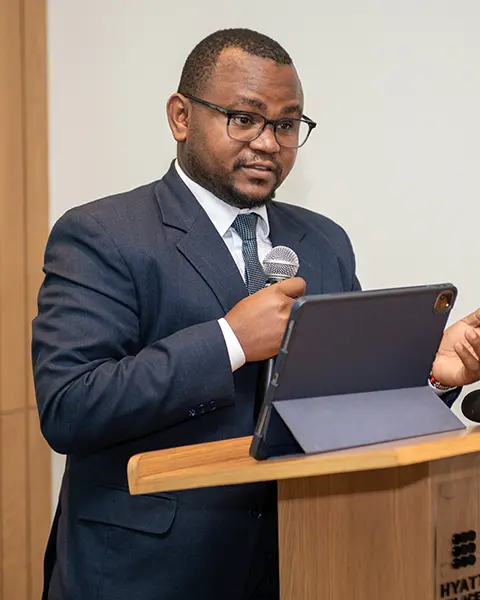
Oluwale Makanjuola, National Alliance Coordinator at the Nigeria Tobacco Control Alliance, said the workshop gave his network renewed direction.
The Nigeria Tobacco Control Alliance brings together civil society organizations, faith-based groups, non-governmental organizations and health professionals committed to tobacco control in Nigeria.
The alliance has worked on domesticating the Framework Convention on Tobacco Control, enacting the National Tobacco Control Bill of 2015 and advancing smoke-free policies in Abuja and Osun state.
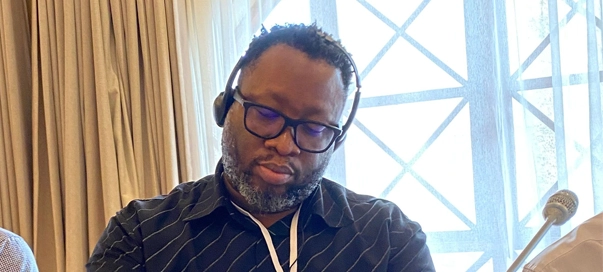
It has been an insightful opportunity for us. We’ve learned a lot around what is expected of us and how to improve our work in Nigeria. We are looking forward to transferring these acquired skills back to our network.
Oluwale Makanjuola
National Alliance Coordinator at the Nigeria Tobacco Control Alliance
In South Africa, the Africa Centre for Tobacco Industry Monitoring and Policy Research (ATIM), based at the University of Pretoria, came to the meeting with an established record of continental surveillance work.
The centre operates as one of three tobacco industry observatories in the world and provides capacity building for advocates across the African region, including an online course on tobacco industry monitoring and a data collection application for tracking industry interference activities.
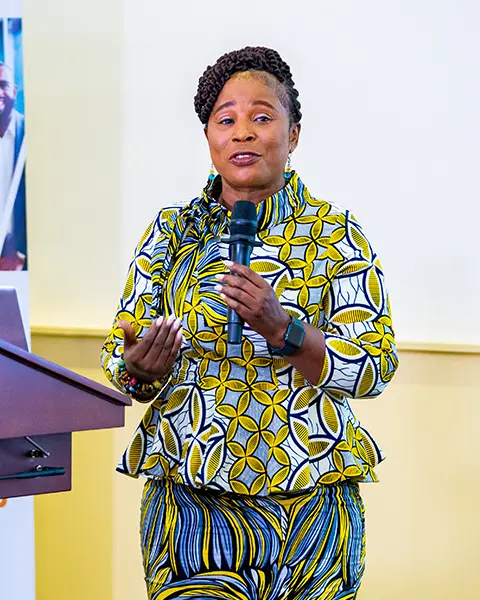
Kgomotso Kali, project coordinator at the centre, said the meeting clarified essential program management standards.
We were taken through program development, program implementation and the ACBF guidelines.
Going forward, we know the correct systems to apply in our organizations on how to plan, how to monitor, how to engage in proper financing systems, as well as to gender mainstream when we are implementing our programs.
Kgomotso Kali
Project Coordinator at the Africa Centre for Tobacco Industry Monitoring and Policy Research (ATIM)

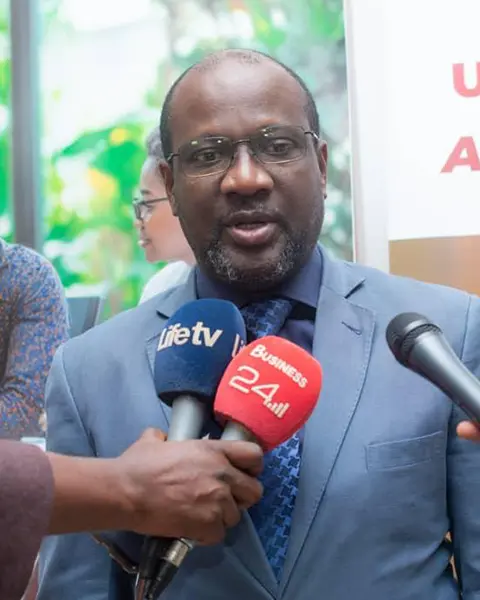
Kennedy Marau, Program Manager at the International Institute for Legislative Affairs (ILLA) in Kenya, pointed to progress in stakeholder engagement as a marker of the program’s impact.
The institute has pursued tobacco control across multiple levels of governance in Kenya and has used ACBF support to participate in Conferences of the Parties, expanding its international partnership base.

We have seen great and immense growth in our stakeholder’s engagement and our partnership base.
We appreciate the great support ACBF has provided to enable us to broaden our international base of partners at the global, continental and local levels.
Kennedy Marau
Program Manager at the International Institute for Legislative Affairs (ILLA) in Kenya
Ethiopia: From Institutional Gaps to Government Ownership
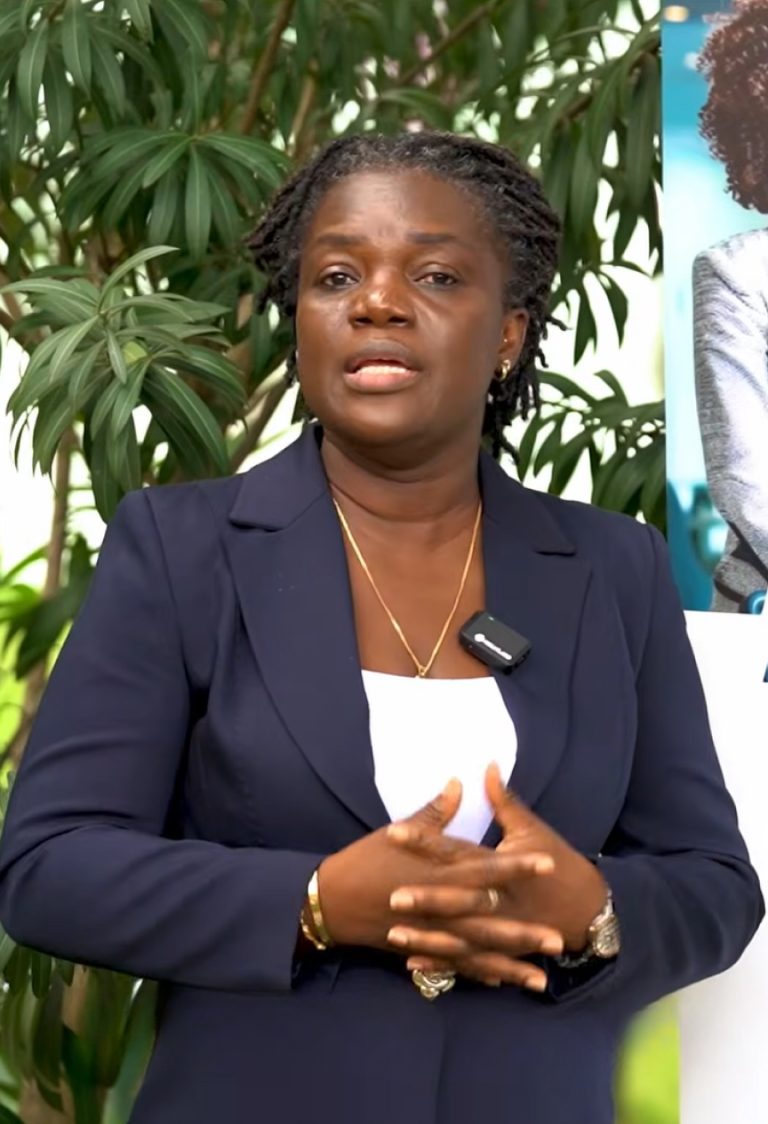
At the training, the Mathiwos Wondu-YeEthiopia Cancer Society (MWECS), based in Addis Ababa, Ethiopia, emerged as one of the strongest examples of how institutional capacity support can strengthen tobacco control efforts at scale.
The society works across prevention, control, diagnosis and management of cancer and non-communicable diseases in Ethiopia. Dr. Matasebia Zewudo, the organization’s Resource Mobilization and Partnership Manager, said ACBF support transformed the way the organization structures and sustains its work.
Before the partnership, the society’s steering committee operated without binding governance documents. With ACBF guidance, the organization developed terms of reference, action plans and memoranda of understanding. It also drafted a code of conduct to reduce tobacco industry interference in non-health ministries and began implementing an enterprise resource planning system to streamline operations.
The society’s field-level work produced five smoke-free indicators and smoke-free provision assessment checklists now used to standardize assessments across Ethiopia’s hospitality industry.
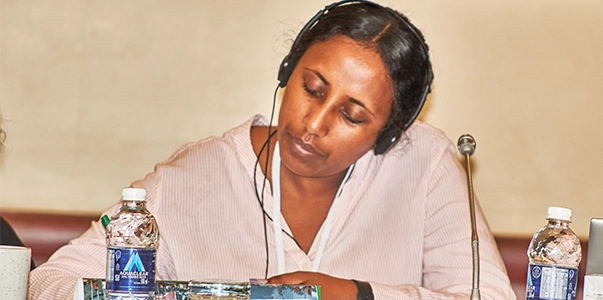
“The biggest achievement of ACBF support would be the fact that it has allowed tobacco control activities to be owned at the government level,” Matasebia said. “The Food and Drug Authority, as well as the Mayor’s office, have owned these activities and are currently allocating their own budgets and actively working toward implementing smoke-free initiatives across Addis Ababa.”
Dr. Matasebia Zewudo
Resource Mobilization and Partnership Manager at the Mathiwos Wondu-YeEthiopia Cancer Society (MWECS)
Matasebia described the partnership as pivotal to the organization’s long-term trajectory.
It primarily focuses on enhancing organizational capacity and sustainability. It has helped us focus and work on sustainability, which has allowed us to spearhead tobacco control activities in the entire nation.
Dr. Matasebia Zewudo
Resource Mobilization and Partnership Manager at the Mathiwos Wondu-YeEthiopia Cancer Society (MWECS)
Reinforcing a Long-Term Commitment
The Tobacco Control III Annual Coordination Meeting reflected ACBF’s sustained commitment to building the institutional infrastructure that tobacco control requires at scale. Across all 12 participating organizations, the program sought to move beyond one-off training and toward durable systems, governance structures and funding strategies that can outlast any single project cycle.
With smoke-free policies gaining traction in national capitals from Abuja to Addis Ababa, the meeting reinforced both the scope of the challenge and the measurable progress that coordinated capacity support can produce across the continent.
The program’s emphasis on institutional sustainability, gender mainstreaming and evidence-based policy aligns with the African Union’s Agenda 2063 aspirations for a healthy and well-nourished continent, as well as Sustainable Development Goal 3, which calls for a significant reduction in premature mortality from non-communicable diseases, including those driven by tobacco use.
Watch Participant Reflections
In testimonial videos, participants share insights on the value of the dialogue and lessons drawn from peer collaboration:

Dr. Matasebia Zewudo
Resource Mobilization and Partnership Manager
Mathiwos Wondu-YeEthiopia Cancer Society (MWECS)

Kennedy Marua
Programs Manager
The International Institute for Legislative Affairs ILA
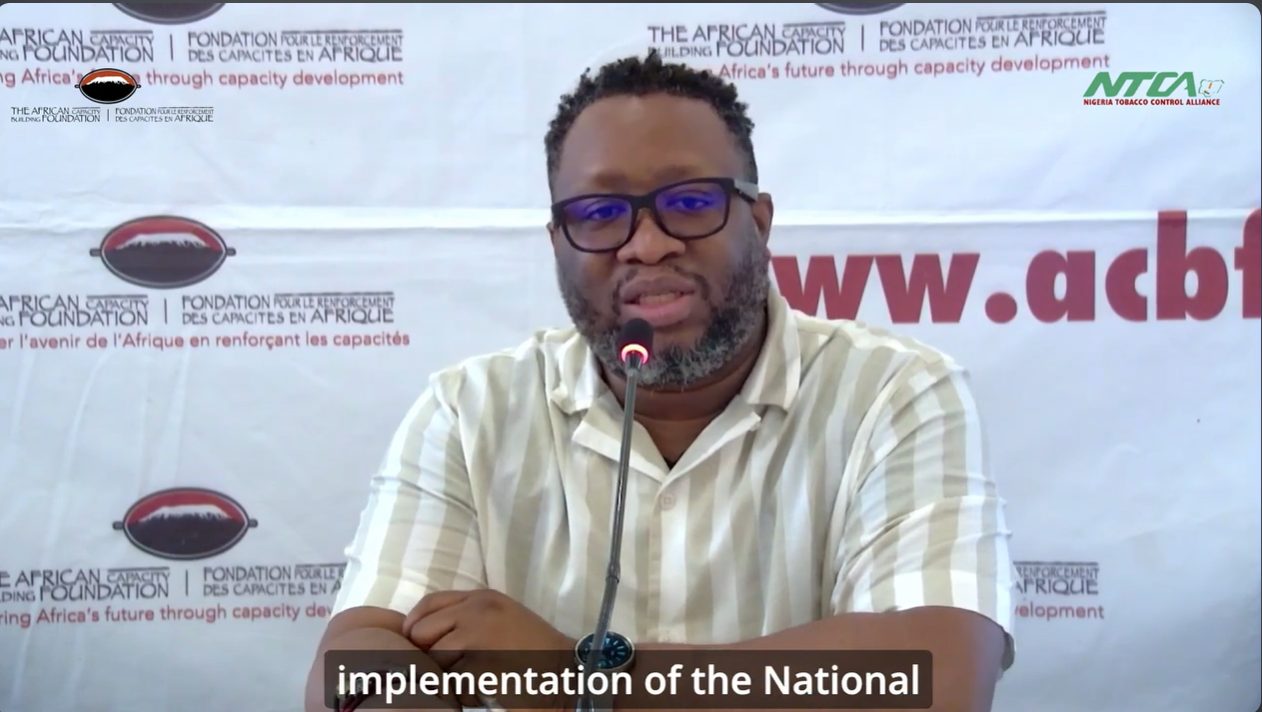
Olawale Makanjoula
National Alliance Coordinator
National Alliance Coordinator, Nigeria Tobacco Control Alliance

Kgomotso Kali
Project Coordinator
Africa Centre for Tobacco Industry Monitoring and Policy Research, University of Pretoria