

From cosmetics manufacturing in Ghana to digital trade platforms in Botswana, two entrepreneurs demonstrate how knowledge, innovation, and regional partnerships are opening new pathways for African businesses.
From cosmetics manufacturing in Ghana to digital trade platforms in Botswana, their experiences illustrate how African women entrepreneurs are expanding market access, strengthening regional commerce, and creating new opportunities through intra-African trade.
Marian Ester Miller searched for solutions to persistent hair and skin challenges, while Tlamelo Cindy Melemo recognized an opportunity to connect African businesses and consumers through technology. Their paths began in different industries and different countries, though both entrepreneurs built businesses that now contribute to a larger story unfolding across the continent.
Their journeys also reflect the impact of targeted capacity-building initiatives that equip African businesses with the knowledge and tools required to compete across borders.

For Miller, that journey began with a personal search for healthier hair and skin solutions. Years of experimenting with commercial products that offered little relief from dryness, breakage, and uneven skin tone pushed her to intensify research into Ghanaian shea butter and natural oils. In 2021, she transformed that research into Miller and Marian Ltd, a cosmetics manufacturing company based in Accra.
Five years later, her products reached shelves in Namibia under the African Continental Free Trade Area (AfCFTA) preferential regime, where lower customs costs strengthened regional market access and improved commercial opportunities for retailers.
Exporting to Namibia now under the AfCFTA is great. The retailer in Namibia does not complain on the charges anymore. She intends to increase her order quantity in the coming months.
Marian Ester Miller
Founder and Director, Miller and Marian Ltd
The experience reflects the growing role of African entrepreneurs in advancing intra-African trade through manufacturing, digital commerce, and regional market expansion. It also highlights the contribution of institutions that support businesses with the knowledge and tools required to navigate continental trade opportunities.
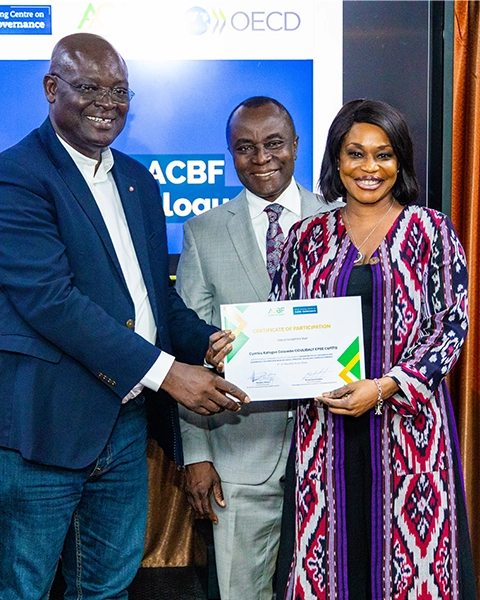
The experience also highlights the role of the African Capacity Building Foundation (ACBF), which supports businesses with the knowledge and tools required to navigate continental trade opportunities. Through strategic workshops, capacity-building programs, and design-thinking sessions, ACBF helps small and medium-sized enterprises and civil society organizations strengthen participation in regional trade and improve access to opportunities within the AfCFTA market.
It equips small and medium-sized enterprises and civil society organizations with practical tools to strengthen participation in regional trade and improve access to opportunities in the continental market.
Miller said taking part in ACBF training sessions strengthened her understanding of regional trade frameworks and export procedures.
ACBF educated me on what AfCFTA is really all about. They provided training on its importance to my business and adding to my business value.
Miller

Expanding Regional Opportunities through Trade
Before obtaining the AfCFTA Certificate of Origin, Miller and Marian faced high customs duties that affected competitiveness in regional markets. The company later secured certification during the early implementation phase of the agreement, a period when procedures were still developing across institutions responsible for trade documentation.
Obtaining the AfCFTA was difficult due to the fact that I was part of the early batches to acquire it. Officials were indecisive of which form to fill and how to fill the form. But at the end of the day, I was able to get it.
Miller
The certification opened wider opportunities for regional distribution and market expansion. Miller explained that the company increasingly uses fulfillment partnerships to reach new African markets without waiting for traditional retail arrangements.
We do not have to wait for a retailer to explore other markets. So far as we can get a fulfillment agency in that country, we are good to go.
Miller
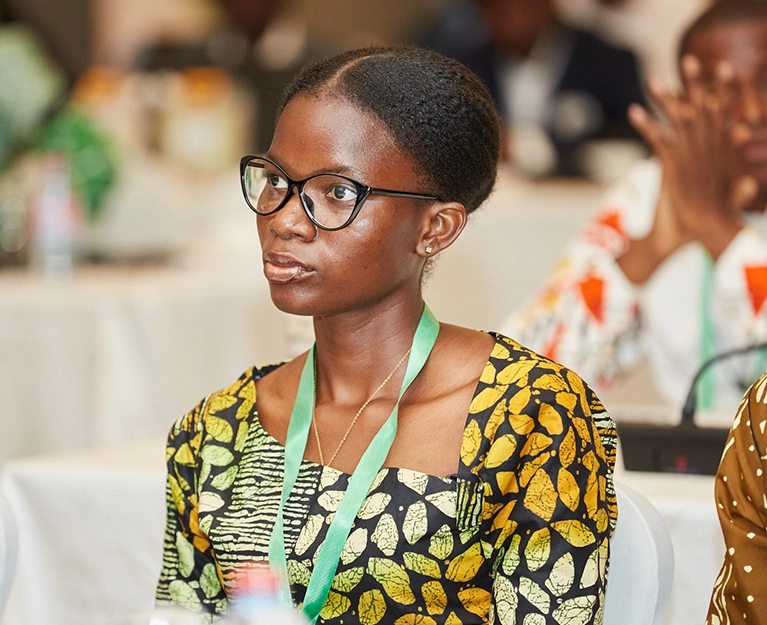
The company’s next stage of growth focuses on larger production capacity, stronger digital visibility, and broader regional reach. Miller identified infrastructure financing and digital marketing support as priorities for scaling operations and increasing competitiveness across African markets.
Miller and Marian had already secured titled land and completed architectural plans for an expanded production facility to improve raw material storage and operational efficiency.
At Miller and Marian, we are entering into African market one step at a time. This year 2026 we are hopeful to be in five African countries before the end of the year.
Miller
The company’s trajectory reflects broader momentum among African manufacturers that are positioning locally developed products for regional markets. African entrepreneurs increasingly view continental trade integration as an opportunity to strengthen supply chains, expand customer reach, and build competitive African brands.
Digital Trade Platforms Connect African Markets
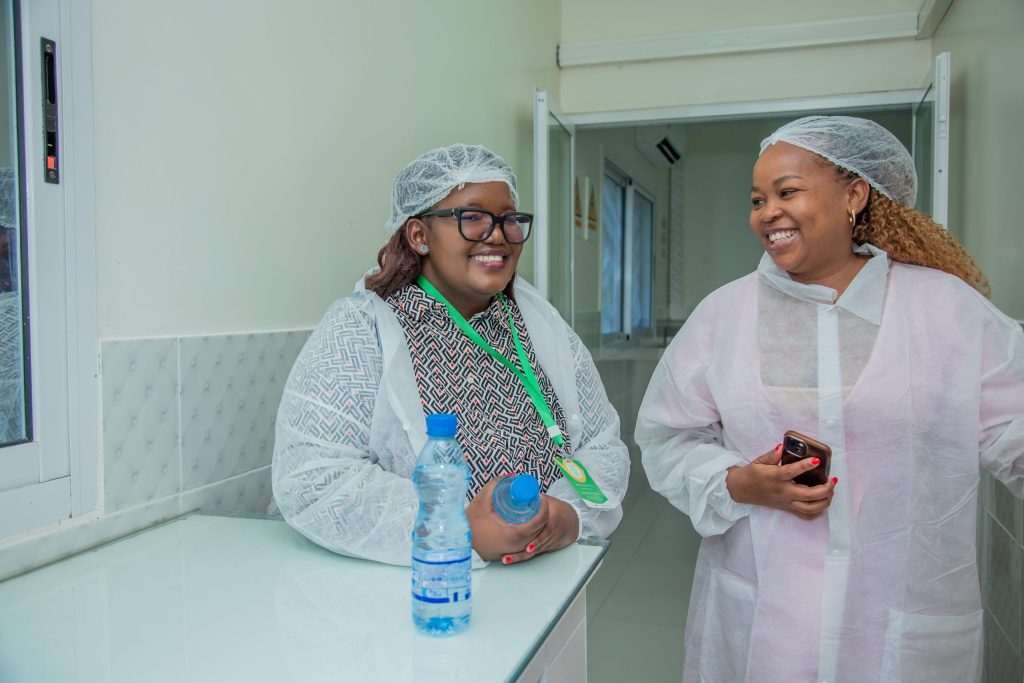
In Botswana, entrepreneur Melemo is advancing regional trade through digital platforms that connect African businesses and consumers across borders. Through SoftBerry Solutions, a technology company focused on digital transformation and e-commerce, Melemo developed Sebaga Africa, an Africa-focused e-commerce and trade platform that connects customers with products sourced from all 54 African countries.
The platform works with African vendors, artisans, and businesses to distribute fashion, beauty, accessories, home décor, crafts, and specialty goods. Sebaga Africa also supports vendor onboarding, logistics coordination, and digital trade services for businesses seeking wider regional and international market access.
Melemo said participation in the ACBF’s Capacity Development for Africa’s Structural Transformation (CADAST) Project workshops strengthened the company’s strategic outlook and improved its readiness for regional growth.
Before participating in the CADAST workshops, one of my biggest challenges was translating technical capacity into structured market access and scalable business readiness.
Tlamelo Cindy Melemo
Founder, Soft Berry Solutions
The workshops introduced new approaches to structuring services for cross-border trade and aligning business operations with regional market opportunities.
One of the most impactful lessons was on structuring services for cross-border trade and improving business positioning. I applied this by refining our service offerings, strengthening our value proposition, and aligning our operations with regional market needs.
Melemo

SoftBerry Solutions expanded its engagement with partners and clients beyond Botswana and strengthened its focus on regional digital transformation projects. The company’s experience demonstrates how digital platforms can support trade integration and create new market opportunities for African businesses.
Shaping Africa’s Trade Future
SoftBerry Solutions is exploring partnerships within Africa while also engaging markets in Europe and North America to expand demand for African products and strengthen trade opportunities for African businesses.
Before CADAST, SoftBerry Solutions and Sebaga Africa operated more locally with a focus on service delivery. Today, we are more strategic, growth-oriented, and actively exploring cross-border opportunities.
Melemo
Melemo encouraged entrepreneurs to participate in business development initiatives that provide practical exposure, strategic networks, and regional market insights.

The exposure, networks, and mindset shift are invaluable for anyone looking to scale their business beyond local markets.
Melemo
The experiences of Miller and Melemo reflect a broader transformation taking place across African markets. Women entrepreneurs are expanding manufacturing, technology, and digital commerce enterprises while creating stronger pathways for African products and services to move across borders. Their businesses demonstrate how entrepreneurial ambition, practical skills, and access to the right networks can translate local ideas into regional opportunities.
Their journeys also reflect key priorities of Agenda 2063, including regional integration, private sector development, women’s economic empowerment, and the expansion of intra-African trade. Through manufacturing, digital innovation, and cross-border market engagement, they demonstrate how African entrepreneurship can contribute to a more integrated, competitive, and prosperous continent.
To discover more about their businesses and products, visit Miller and Marian Ltd and Sebaga Africa