
Ghana’s public financial management reform agenda focuses on strengthening internal audit functions and improving accountability across institutions. These reforms aim to reinforce compliance, enhance financial oversight and improve coordination between ministries and oversight bodies.
Achieving these objectives depends on how institutions work together and how leadership is exercised within them. Technical frameworks define accountability structures, while leadership shapes how these structures operate in practice across the public sector.
To strengthen accountability reforms and improve coordination across institutions, public officials must manage collaboration, align institutional priorities and support the implementation of reform processes.
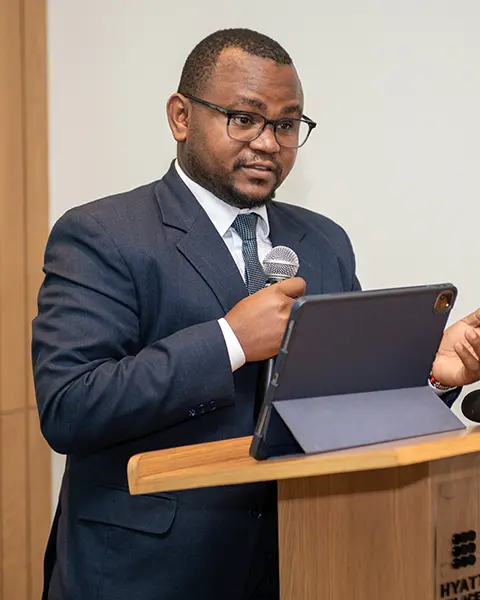
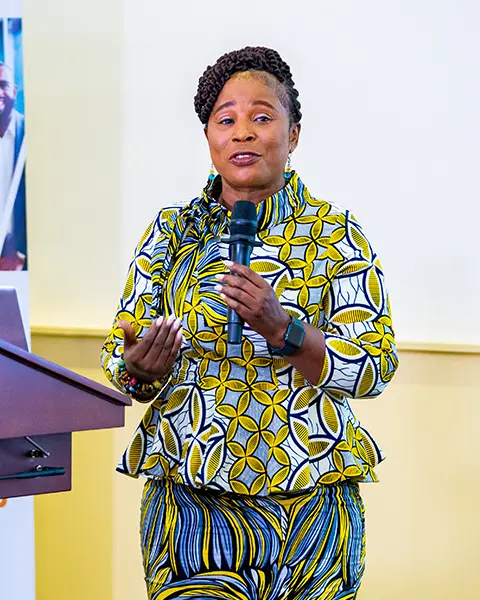
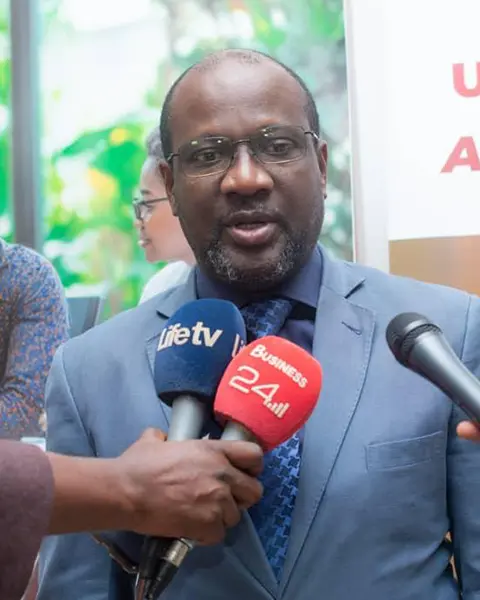
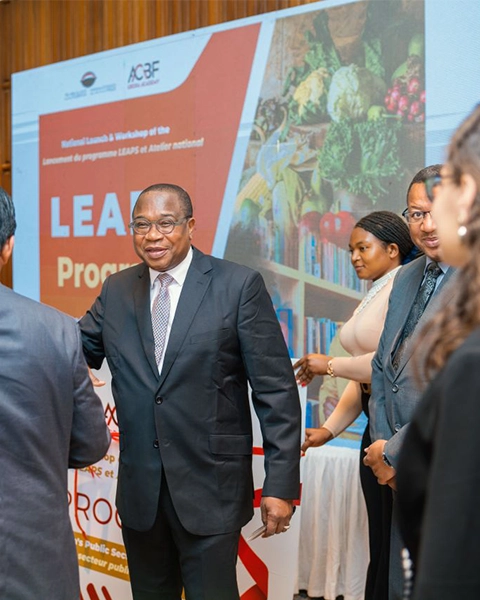
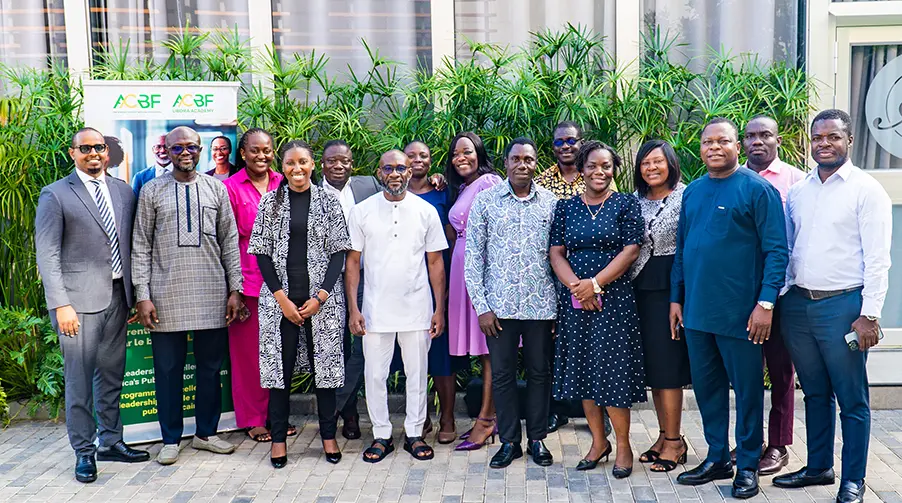
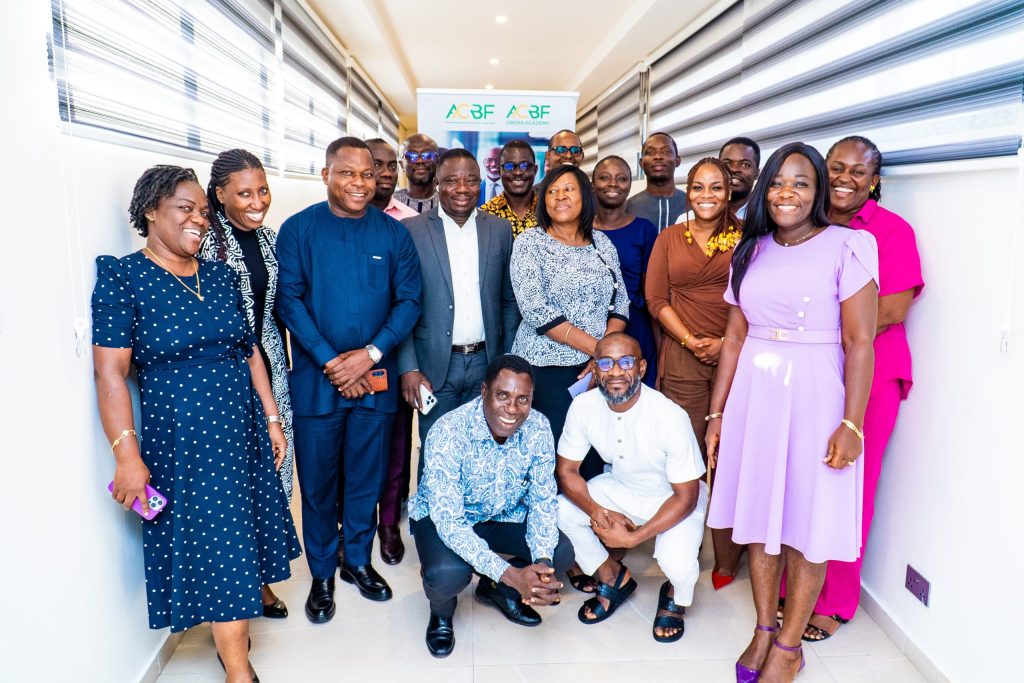
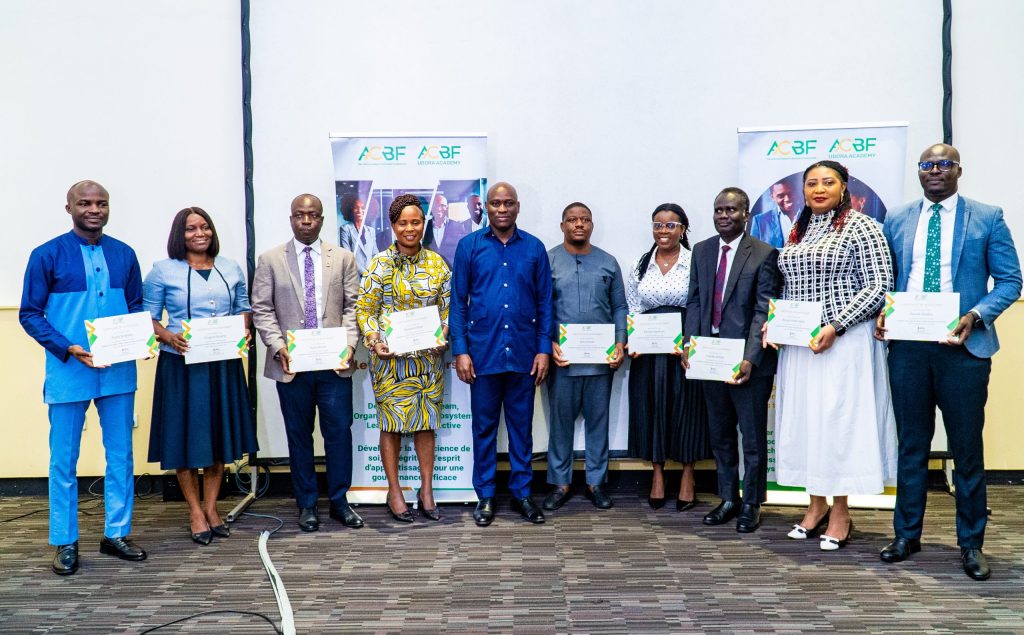
The Leadership Excellence in Africa’s Public Sector program, delivered through the African Capacity Building Foundation’s Ubora Academy, engaged public officials working at the center of these institutional processes.
Participants were drawn from the Ministry of Finance, the Internal Audit Agency and related accountability institutions.
From Compliance to Institutional Alignment
Before the program, participants identified gaps in coordination between institutions responsible for audit and financial oversight.
Work was often conducted within institutional silos, which limited alignment between mandates and reduced the overall effectiveness of accountability systems.
Structured coaching sessions introduced a different approach to leadership within these institutions.
Participants strengthened their ability to align individual roles with institutional objectives and to manage performance through clearer goal setting and structured feedback.
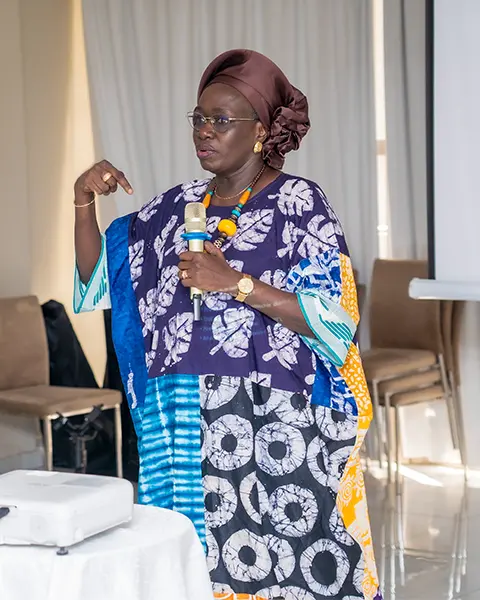
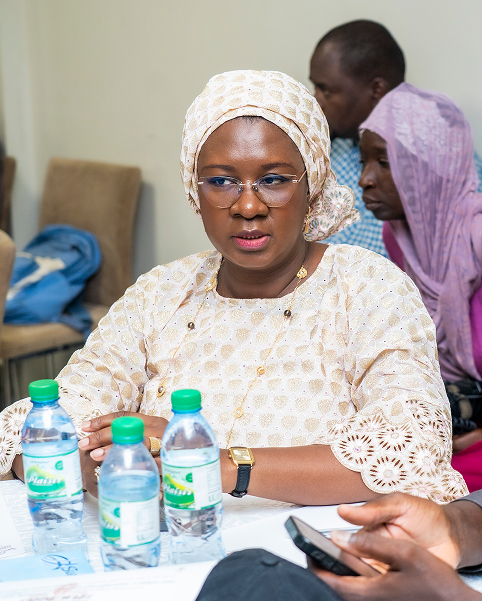
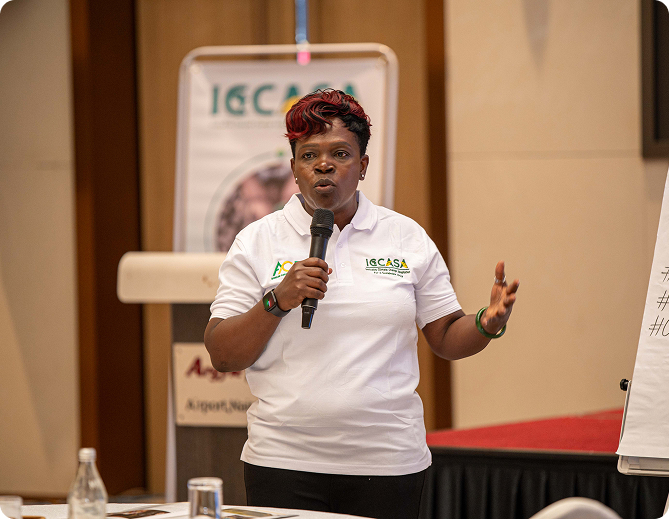
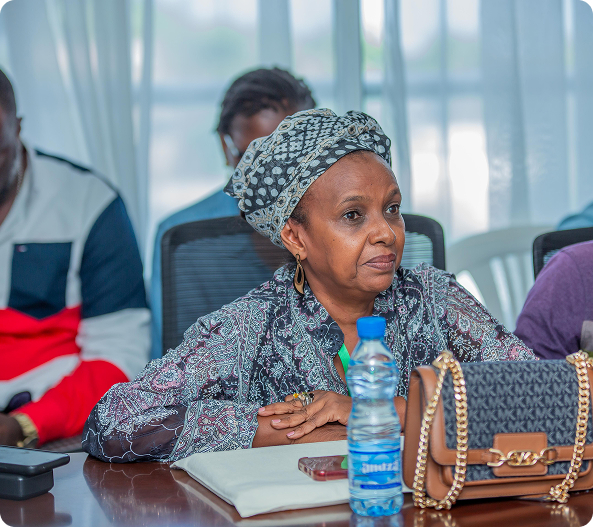
Pamela Agyekum, director of human resources and administration at the Internal Audit Agency, applied these practices by introducing performance review mechanisms and improving internal feedback processes.
Supportive leadership and management commitment within her institution created conditions for these changes to take hold.
At the Ministry of Finance, leadership practices shifted toward more inclusive team management and stronger alignment between individual responsibilities and strategic objectives. Delegation became more deliberate, and team collaboration improved as roles were clarified.
Strengthening Cross-Institution Collaboration
Changes were also visible in how institutions engaged with each other across the public financial management system. Coordination between the Internal Audit Agency, the Ministry of Finance and audit committees became more structured and aligned.
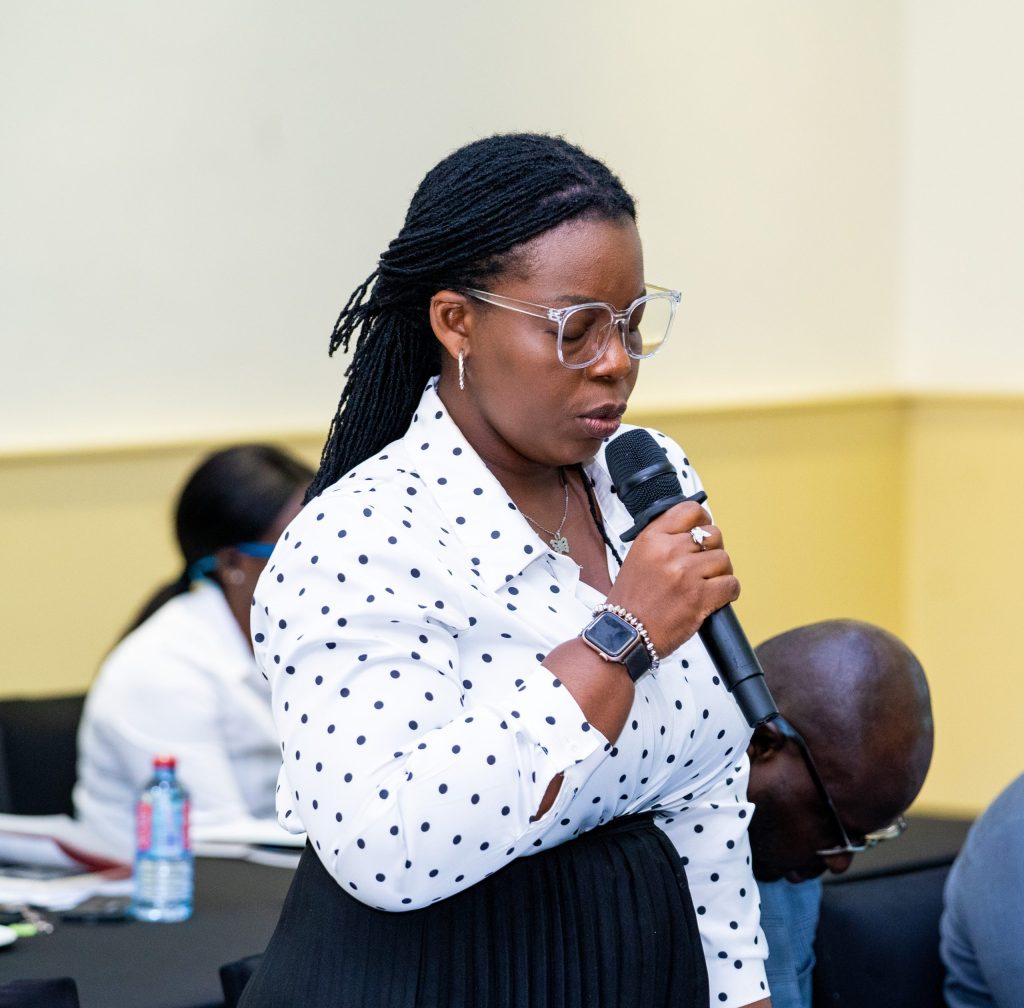
LEAPS has facilitated deeper collaboration between the Internal Audit Agency and institutions such as the Ministry of Finance and Audit Committees. This has improved alignment on reforms related to internal controls, audit quality, and compliance through the Compliance Control Checklist Reporting
Pamela Agyekum
Director of Human Resources and Administration, Internal Audit Agency
Team-level coordination across departments also improved, reducing delays and streamlining the management of joint tasks.
“Teams are working together more cohesively, with reduced silo mentality. Departments now coordinate more effectively on joint tasks, reducing delays and improving workflow efficiency,” she said.
These improvements supported greater coherence in the implementation of accountability reforms across institutions. Duplication was reduced, and collaboration between entities responsible for internal controls and audit oversight became more consistent.
Institutional Coordination and Accountability
Ghana’s experience reflects a broader pattern across public financial management reform environments. Accountability systems depend on technical frameworks, while their effectiveness depends on leadership that supports coordination and alignment across institutions.
Leadership development strengthened participants’ approaches to performance management, collaboration and institutional engagement. These changes influenced how accountability functions operate across ministries and agencies.
Agyekum recommended that the program introduce structured follow-up sessions or coaching to help participants apply concepts in their workplace, which she identified as important for sustaining institutional change.
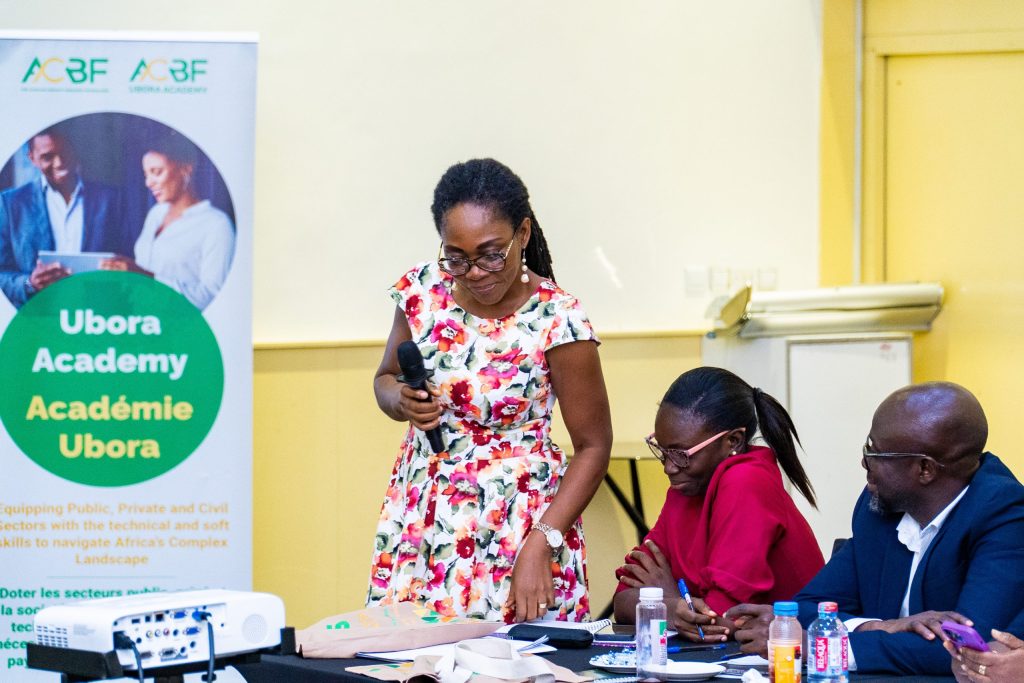
The experience from the first LEAPS cohort illustrates how leadership development can strengthen institutional accountability in practice. For Ghana’s public financial management reforms, stronger coordination, performance management and collaboration across accountability institutions support more effective implementation and sustained reform outcomes.