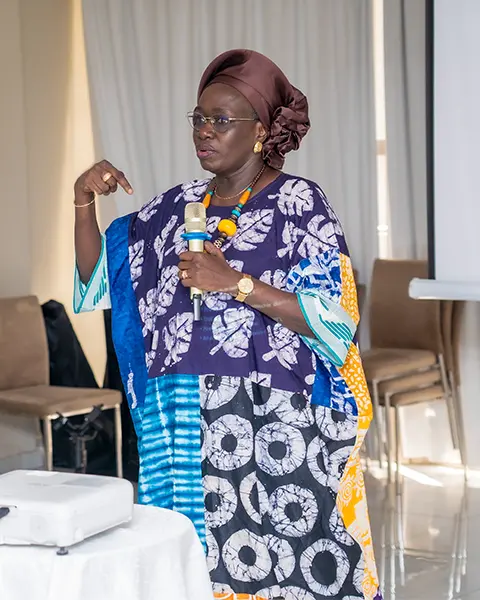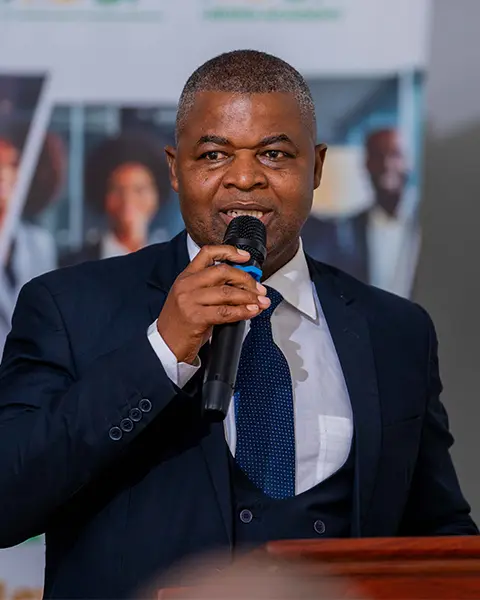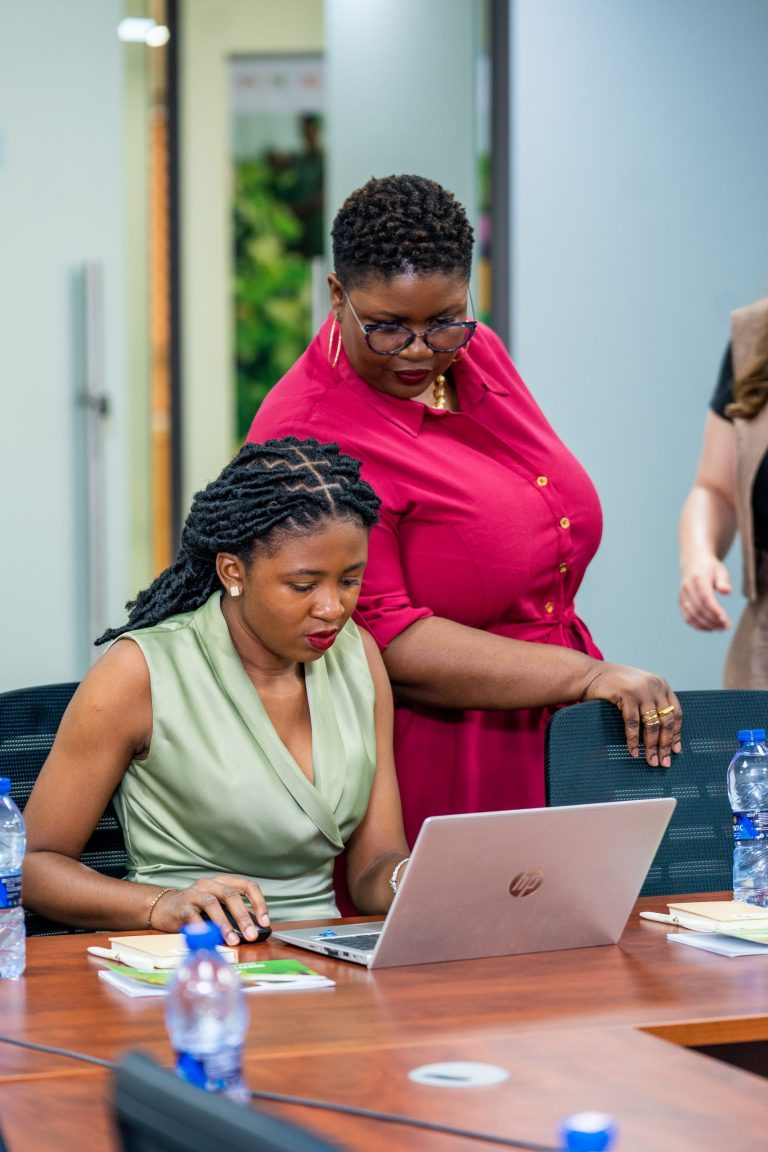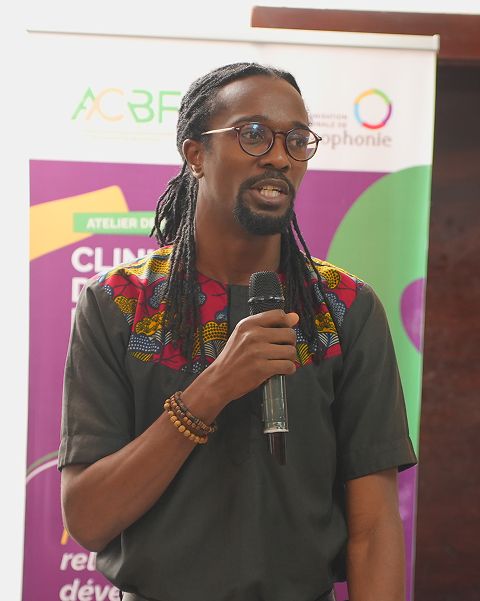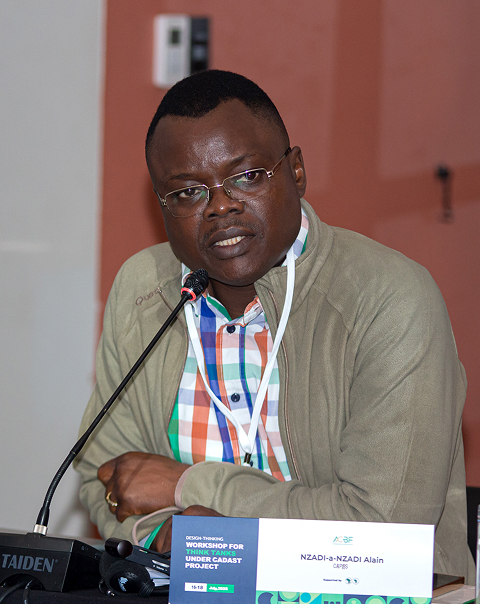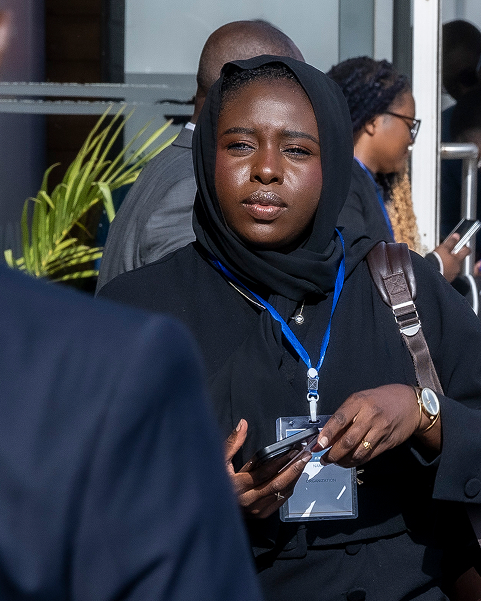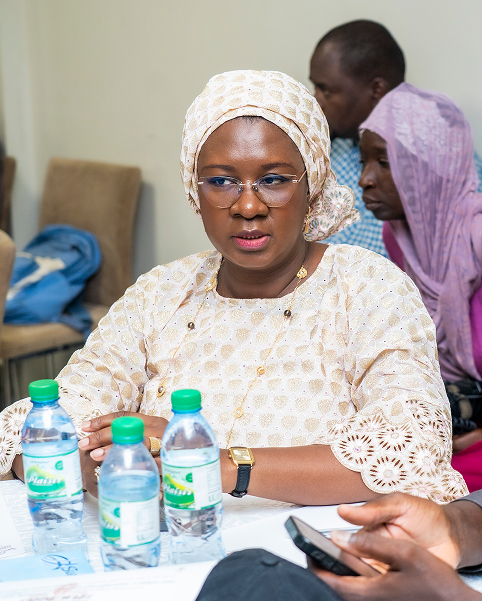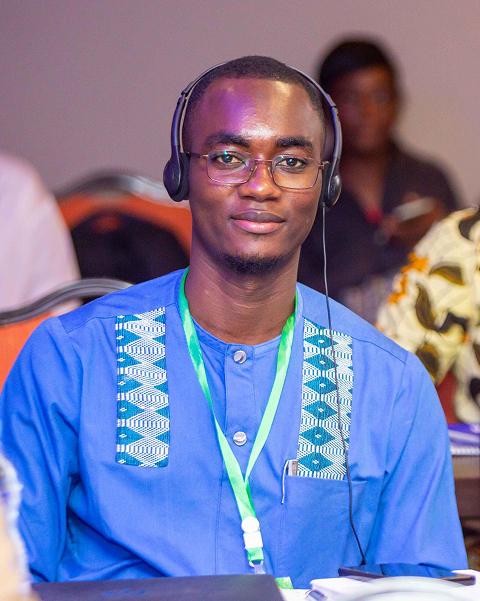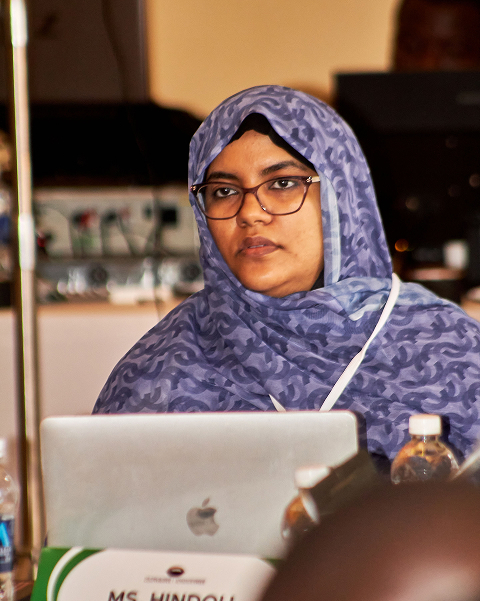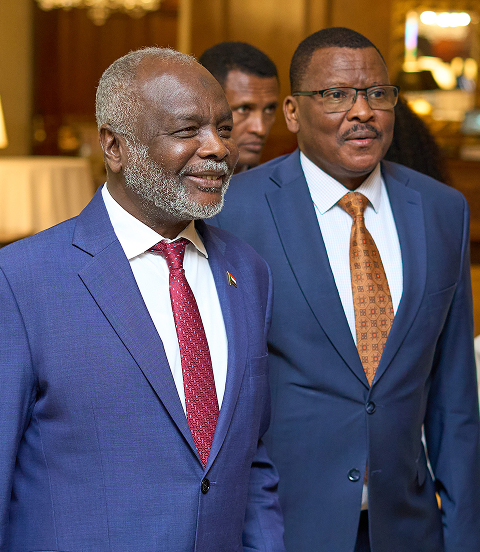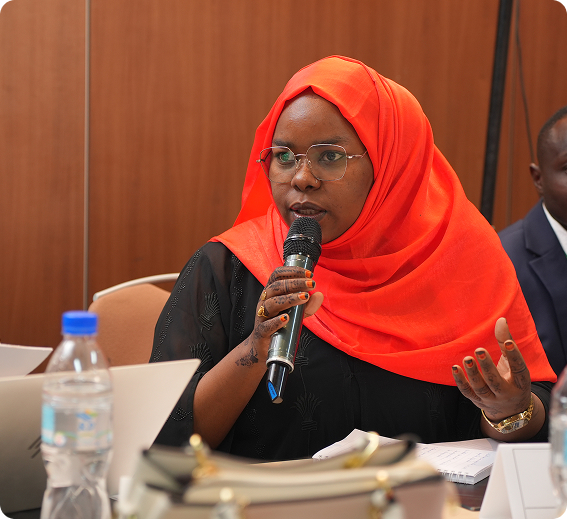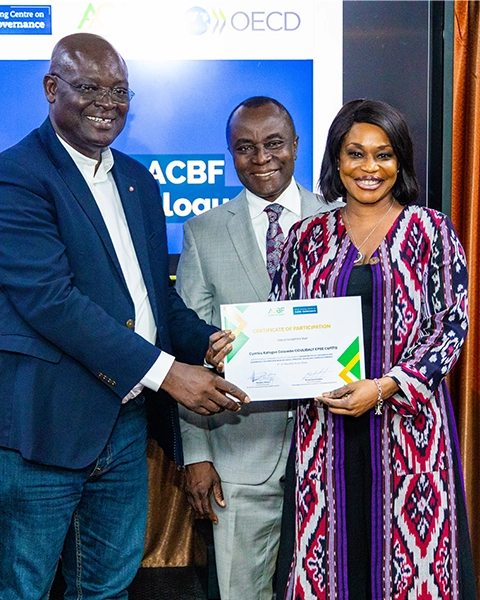

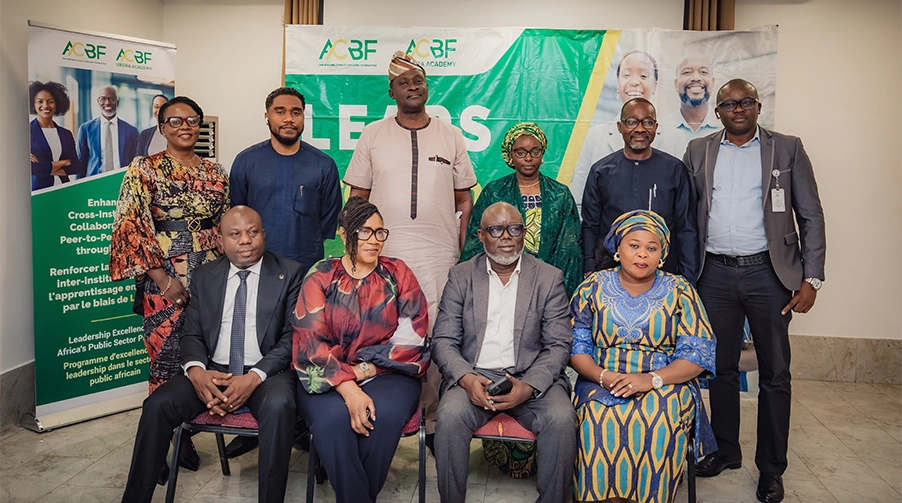
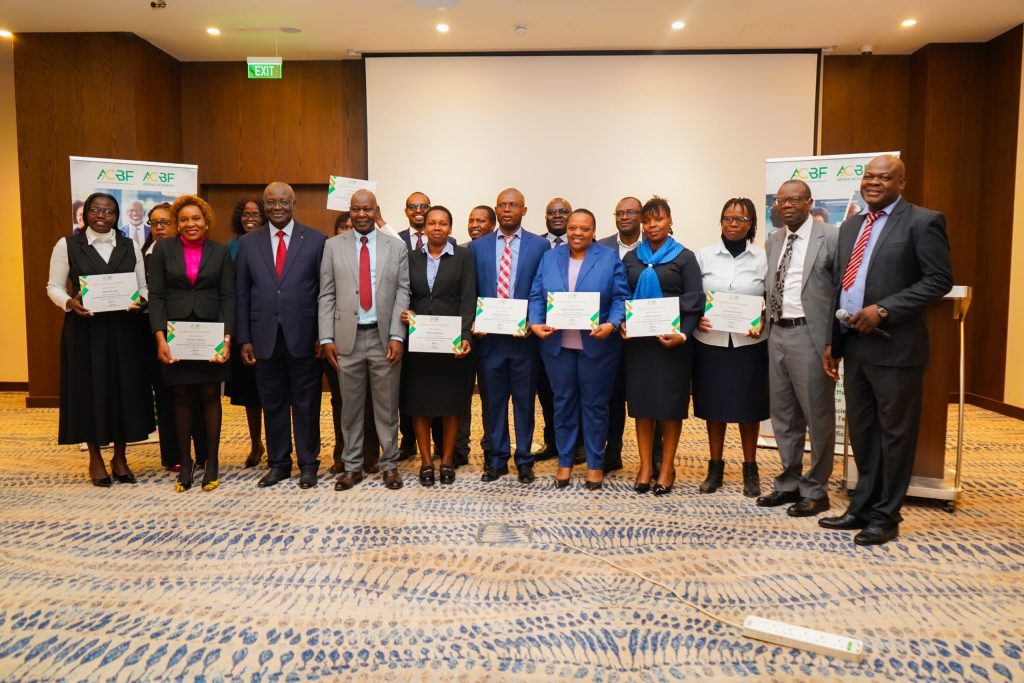
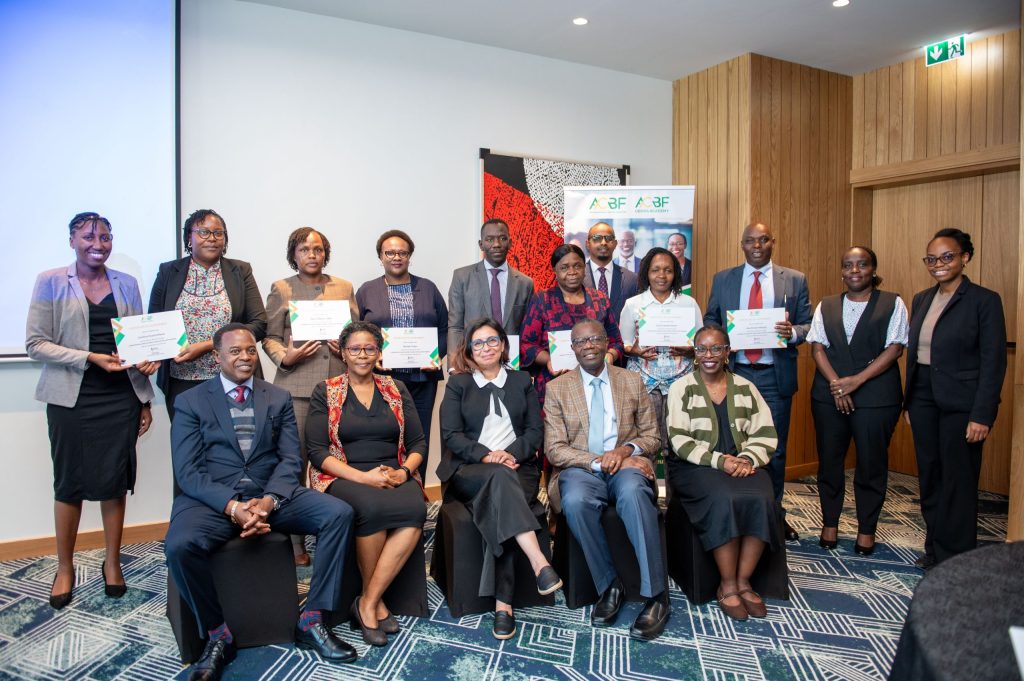
Equipped with the skills and leadership capabilities needed to strengthen institutions and drive public sector reform, a new cohort of African public officials has graduated from the African Capacity Building Foundation’s (ACBF) Leadership Excellence in Africa’s Public Sector (LEAPS) program.
Graduation ceremonies held across Ghana, Nigeria, Zimbabwe, Senegal, Kenya and Côte d’Ivoire between June and July 2026 celebrated the achievements of these emerging leaders and their commitment to improving public service delivery across the continent.
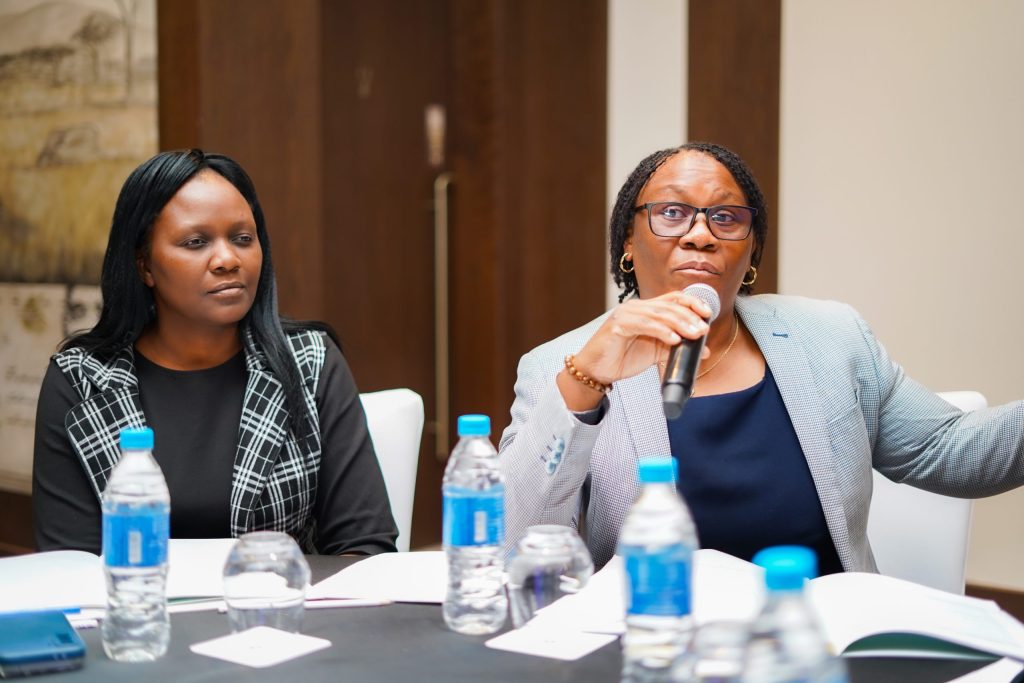
The milestone also gave graduates an opportunity to reflect on how LEAPS changed the way they lead themselves, work with their teams, and approach institutional challenges.
Since its launch in 2024, the LEAPS Program has enrolled 295 participants across eight African countries, building a continental community of public sector leaders committed to applying leadership principles to institutional challenges and reform.
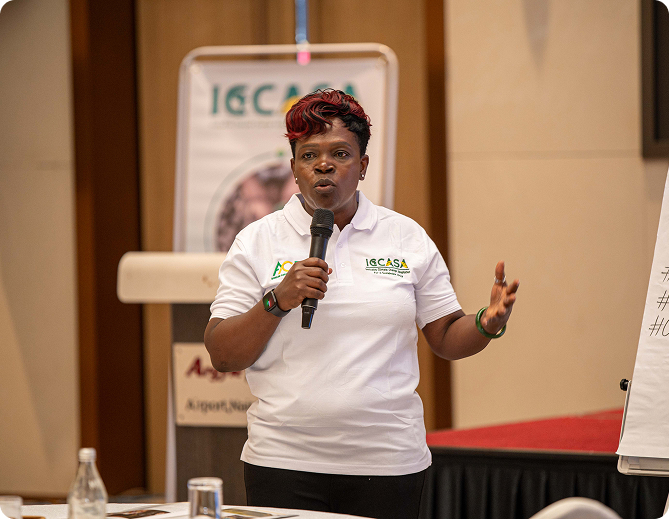
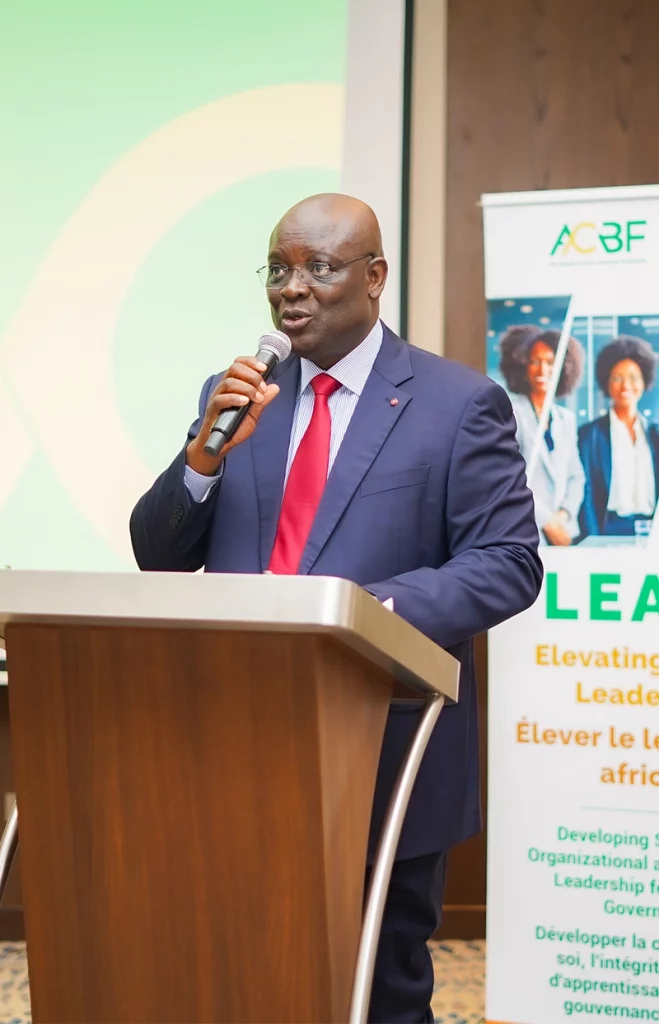
Speaking at a graduation event in Harare, Zimbabwe, ACBF Executive Secretary Mamadou Biteye described the occasion as an important milestone in ACBF’s broader effort to strengthen leadership and governance in Africa’s public sector.
Today marks an important milestone in our collective journey to strengthen leadership and governance in Africa’s public sector. It is both a moment of celebration and reflection, a moment to recognize the remarkable commitment, resilience and achievements of the second cohort.
Mamadou Biteye
ACBF Executive Secretary
He said ACBF conceptualized the LEAPS Program in response to a need identified by African countries: Senior public officials often possess significant technical expertise but require complementary leadership capabilities to navigate increasingly complex institutional and policy environments.
ACBF launched the LEAPS Program to develop a new generation of African public-sector leaders capable of combining technical expertise, leadership, and public service ethics to spearhead reforms. So far, participants from Côte d’Ivoire, Ghana, Kenya, Nigeria, Senegal, Tanzania, The Gambia, and Zimbabwe have graduated from the program.
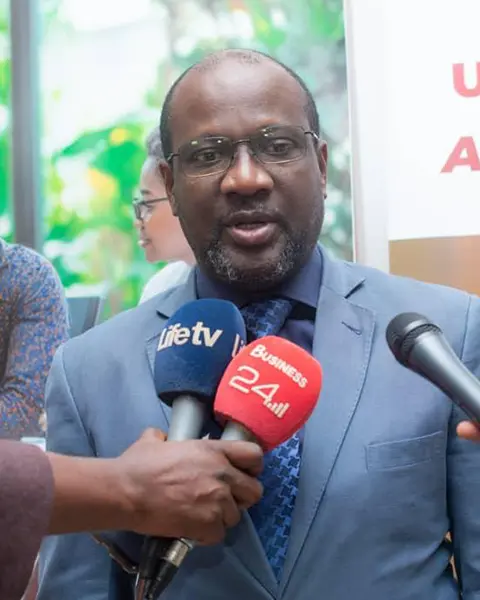
Bayal Niang, a magistrate at Senegal’s Court of Auditors, said the program responds directly to the need to strengthen the capabilities of African public officials.
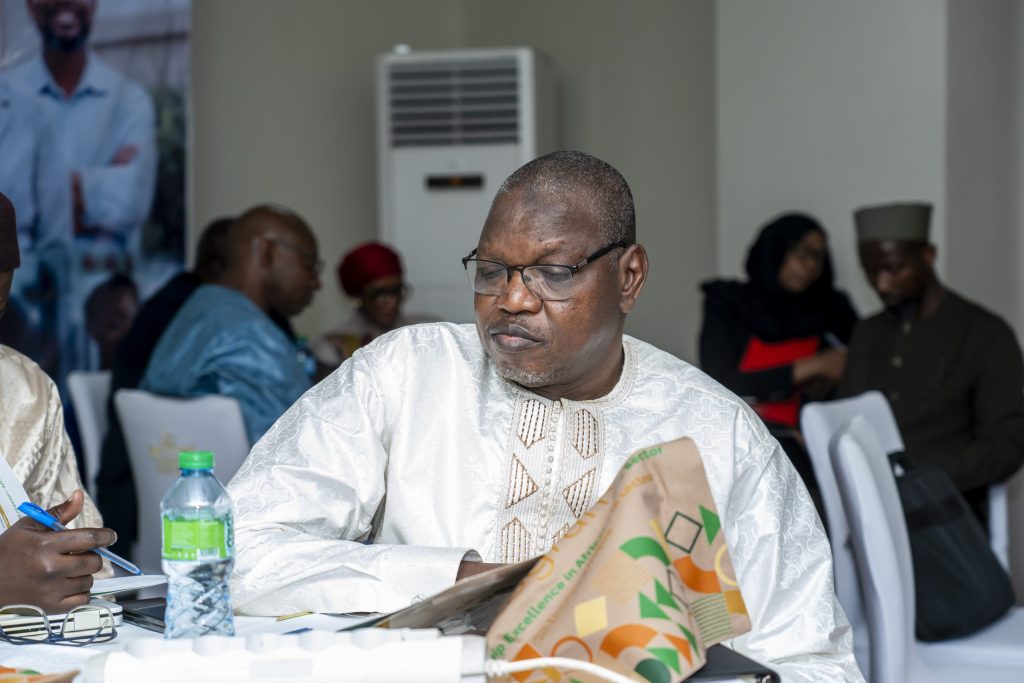
It is a program that aims to promote excellence among African public officials in public financial management.
Bayal Niang
Magistrate at Senegal’s Court of Auditors
From Technical Expertise to Transformational Leadership
Delivered through ACBF’s Ubora Academy, LEAPS is an executive leadership development program designed for current and emerging public sector leaders. It takes participants from understanding their individual leadership identity to developing the ability to lead change across teams, institutions and wider systems.
Grounded in African realities while drawing on global leadership practices, the program combines self-paced learning, live facilitated sessions, executive coaching, technical seminars, peer exchange and practical workplace application.
Five progressive modules help participants develop their leadership capabilities, while technical seminars connect the curriculum with emerging public sector challenges.
Participants learn to lead at interconnected levels: self, teams, institutions and wider systems in which they operate. The approach recognizes that effective public sector leadership requires more than individual competence. Sustainable reforms depend on leaders who can build effective teams, communicate strategically, manage change, collaborate across institutional boundaries and mobilize people around a shared purpose.
For the second cohort, the learning experience was reinforced through individual and group coaching, technical seminars, mentorship and leadership case studies that enabled participants to apply what they learned to challenges within their institutions.
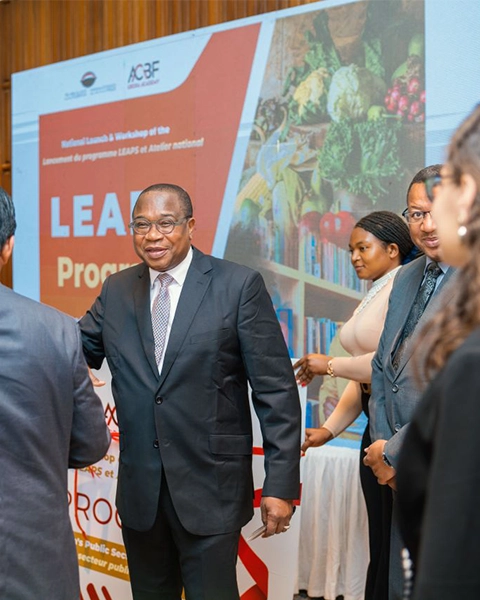
Speaking on behalf of the Minister of Finance, Economic Development and Investment Promotion, Professor Mthuli Ncube, Accountant-General Tendai Kenneth Kachasu underlined the importance of building strong leadership in public financial management to enhance accountability and economic governance.
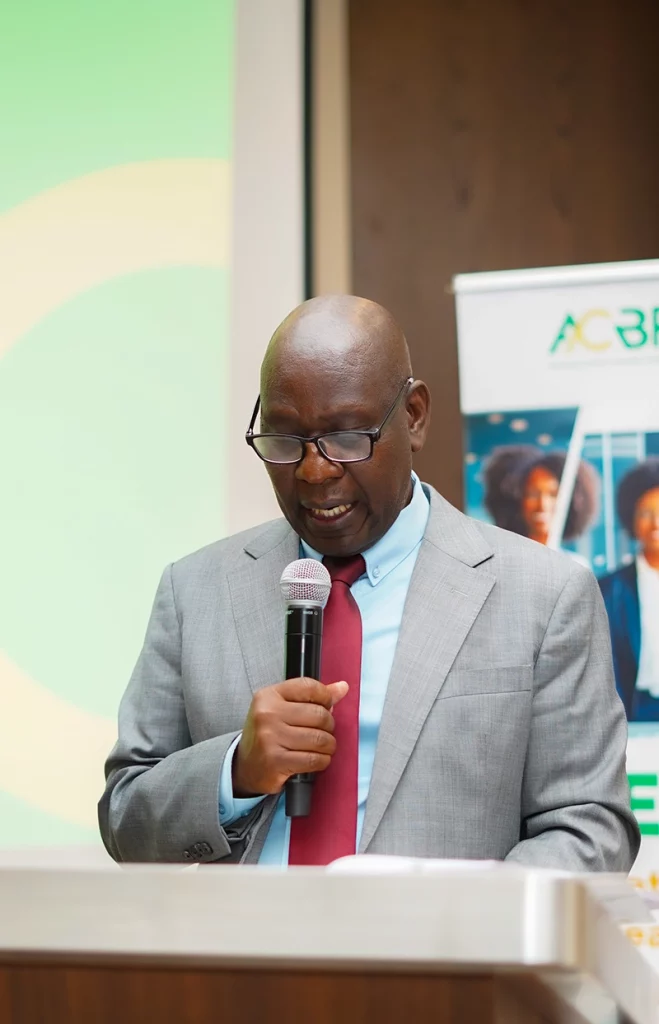
What our institutions now require is transformational leadership, that can inspire, unite, and drive reforms with both vision and discipline.
Tendai Kenneth Kachasu
Accountant General
Kachasu noted that public financial management is fundamental to good governance and that recurring fiscal challenges, volatile financial markets and increasing demands for results-oriented public management mean technical competence alone is no longer enough.
The remarks highlighted a central principle behind LEAPS, which emphasizes leadership development as an investment in individual growth, stronger institutions and, ultimately, better outcomes for citizens.
Leadership Beyond Position and Title
The second cohort demonstrated that principle by taking lessons from the program into their professional environments. According to Biteye, participants strengthened interinstitutional collaboration and worked collectively on real-life challenges confronting their countries’ public financial management systems.
They also applied approaches to change management, strategic communication and team leadership in their national and institutional contexts. That practical application is fundamental to how ACBF defines the program’s success.
The true measure of LEAPS success will not be found in certificates awarded, but in the leadership, you demonstrate, the reforms you champion, and the positive change you inspire within your institutions and country
Biteye
Some graduates said LEAPS changed how they understand leadership itself.
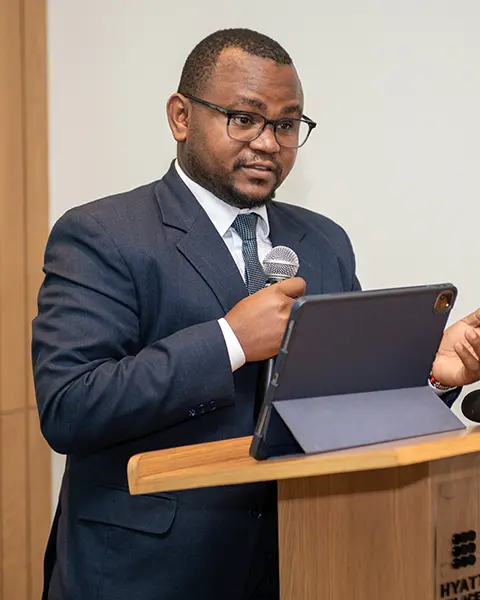
Dr. Oluwole Olutola, deputy director at Nigeria’s Budget Office of the Federation, said his understanding of leadership has become increasingly centered on collaboration and shared responsibility.
My understanding of leadership is shared leadership, collaborative leadership. It’s no longer about position. It’s no longer about title. It’s no longer about office. It is about collective decision, collective responsibility.
Dr. Oluwole Olutola
Deputy Director at Nigeria’s Budget Office of the Federation
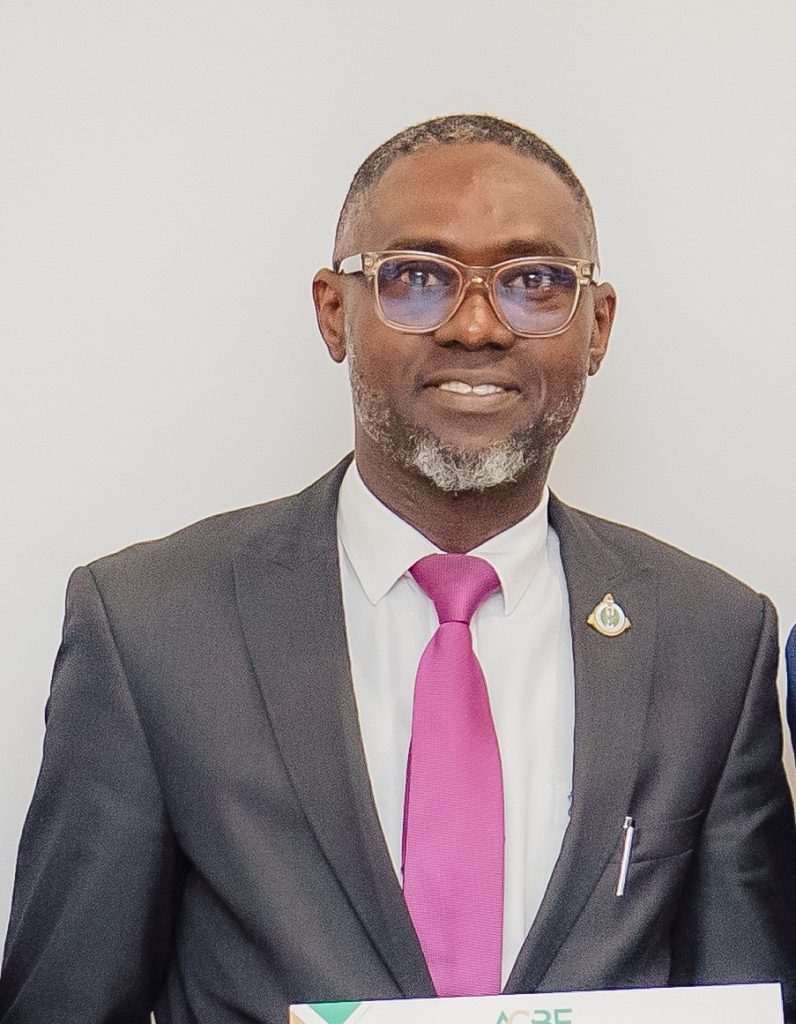
That perspective has influenced how he works with his team. “Now with my teams, we have regular meetings, and I make sure that everybody contributes,” he said.
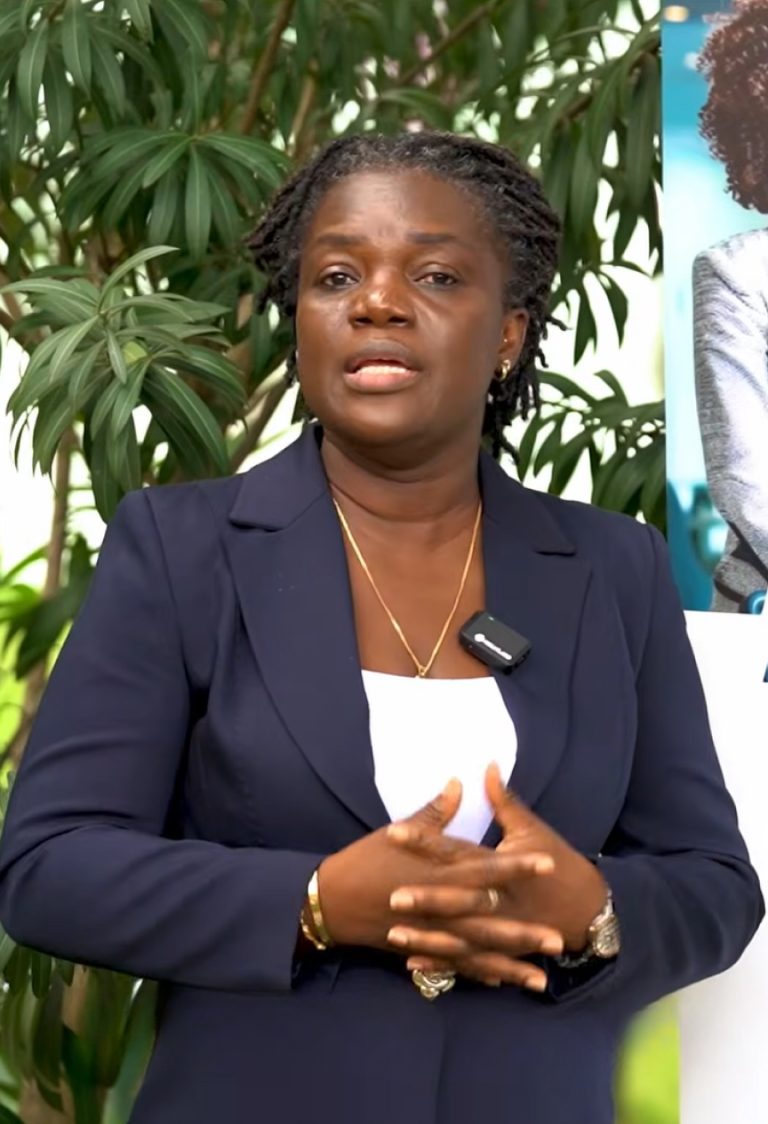
Ana Awotwe Bosumafi, assistant auditor-general at the Ghana Audit Service, said LEAPS was a turning point in her leadership journey.

It has been a good turning point for me because I think at a point I thought I was almost at my limits of leadership. I realized that I still had a lot of loopholes. I am closing the loopholes, and I am sure that I am going to be a better leader.
Ana Awotwe Bosumafi
Assistant Auditor-General at the Ghana Audit Service
From Silos to Stronger Teams
Other graduates said the program led to practical changes in how they approach teamwork, communication and collaboration.
Kouame Dja Raoul, deputy director at the Directorate General of Taxation in Côte d’Ivoire, said that before LEAPS, he struggled to strengthen collaboration among colleagues and had received feedback that he tended to work in silos.
His experience points to a common institutional challenge. Technical expertise and individual performance need to be complemented by the ability to bring people together around common objectives.
Through its emphasis on team dynamics, communication and institutional leadership, LEAPS encourages participants to examine how their leadership practices affect the people around them and identify opportunities to strengthen collaboration.
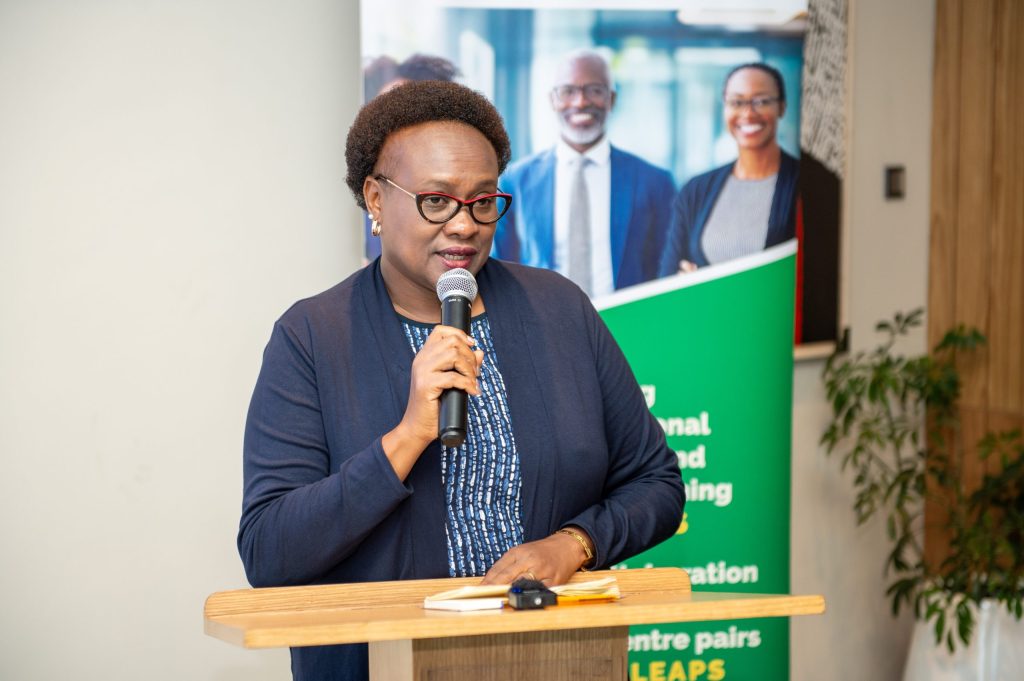
Penina Thairu, head of operational risk at the Central Bank of Kenya, said one noticeable change has been the quality of communication within her professional environment.
Feedback is flowing more easily, and we are able to converse, even having those hard conversations for the betterment of our organization.
Penina Thairu
Head of Operational Risk at the Central Bank of Kenya
Leadership Starts with the Individual
Participants also explained how LEAPS challenged them to examine their own habits and behaviors before seeking to influence others.
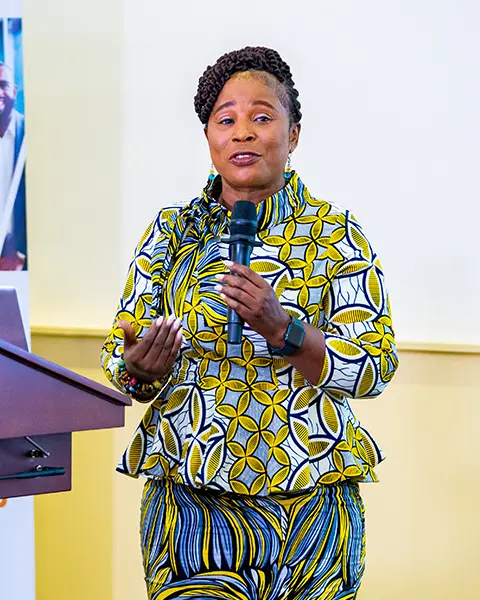
Priscilla Maina, a director of audit at the Office of the Auditor General in Kenya, described herself as a perfectionist who previously tended to take responsibility for everything herself.
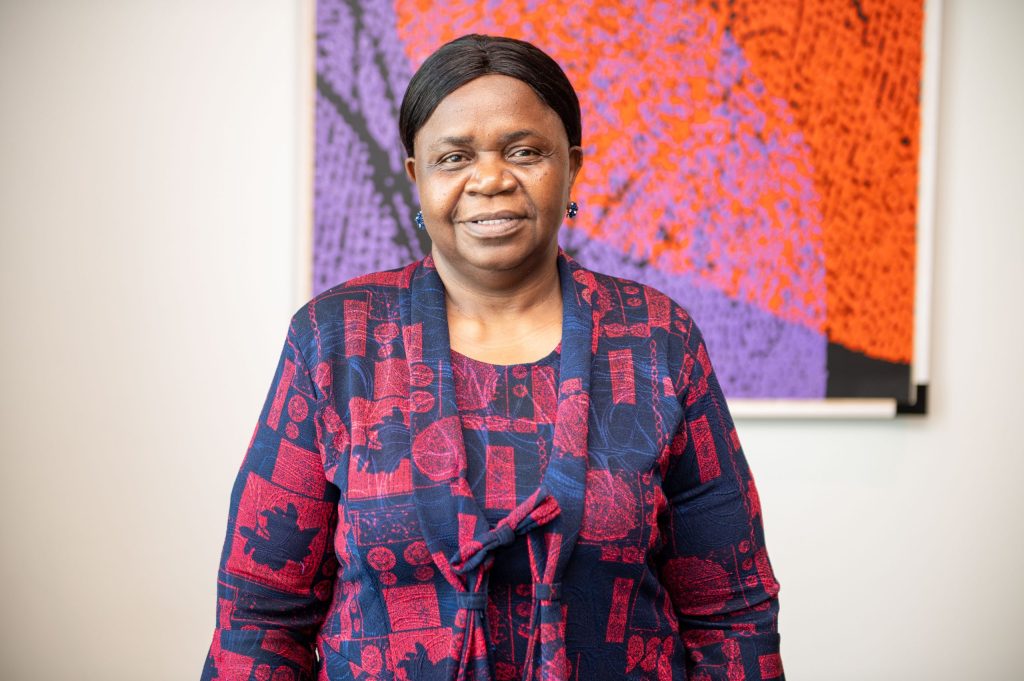
I’m a perfectionist. I used to do everything on my own. I didn’t use to trust anybody, but this program has taught me to trust.
Priscilla Maina
Director of Audit at the Office of the Auditor General in Kenya
Lou Drinan Sylvie Epse Dah, an authorized representative at the Public Treasury in Côte d’Ivoire, shared a similar experience.
I learned a lot, starting with myself.
Lou Drinan Sylvie Epse Dah
Authorized Representative at the Public Treasury in Côte d’Ivoire

She said she learned to manage her emotions and maintain her composure while presenting herself to colleagues as a calm and respectful leader who takes their concerns into account.
These experiences reflect LEAPS’ progression from individual leadership to team, institutional and systemic leadership.
Turning Learning into Institutional Change
The program’s ambition extends beyond changes in individual leadership behavior.
Participants are expected to take what they learn back into their workplaces and apply it to institutional challenges. Through workplace application, coaching, peer-to-peer exchange and leadership case studies, they have opportunities to connect leadership concepts with the realities of public service.
The LEAPS second cohort strengthened interinstitutional collaboration and worked collectively on real-life challenges confronting their countries’ public financial management systems.
They also applied approaches to change management, strategic communication and team leadership in their national and institutional contexts.
Chinenye Onu, assistant director at Debt Management Office (DMO) Nigeria, said the leadership journey also requires ensuring that knowledge and responsibility continue beyond one individual.
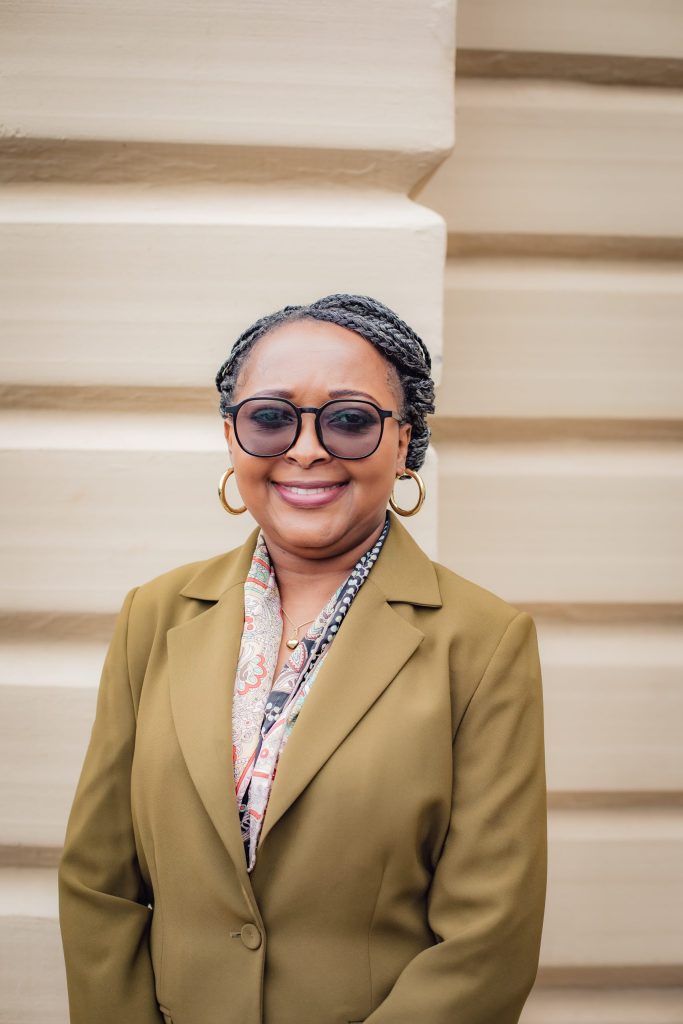
As an institution, I would say I’m handing the baton to the next person, the next best fit, to build a strong public finance institution together as a nation.
Chinenye Onu
Assistant Director at Debt Management Office (DMO) Nigeria
ACBF encourages ministries and public institutions to enroll cohorts of participants in LEAPS as part of efforts to strengthen leadership capacity, succession planning, organizational performance and institutional transformation.
Building a Continental Leadership Community
The cross-country nature of LEAPS is particularly significant, providing public officials across Africa with structured opportunities to learn from peers addressing similar institutional and reform challenges in other countries.
Through facilitated learning, coaching and peer exchange, participants gain access to a continental network of professionals with experience across different public sector environments.
That network can support collaboration beyond the program’s formal duration and encourage the exchange of solutions adapted to African institutional realities.
For governments and public institutions, the program also offers a mechanism for strengthening leadership pipelines and succession planning.
ACBF encouraged institutions to enroll cohorts of participants so leadership capacity can develop across teams rather than reside solely with individuals. The aim is to strengthen organizational performance and sustain institutional transformation.
The graduation therefore reflects the emergence of a growing network of leaders who share an understanding of public leadership grounded in ethics, collaboration, accountability and results.
The Next Chapter for LEAPS
Building on LEAPS’ success and the growing demand for executive leadership development, ACBF is expanding the LEAPS program beyond its original focus to reach senior professionals across government ministries, public institutions and regional bodies across Africa. The expanded, fee-based program will begin with the next cohort in November 2026.
The program will open structured leadership development to senior professionals across government ministries, public institutions and regional bodies throughout Africa.
The expansion reflects ACBF’s broader vision of building a critical mass of transformational leaders who can strengthen African institutions and accelerate the continent’s development.
For the graduates, however, the immediate challenge is to turn what they have learned into action. They return to their institutions with stronger leadership tools, wider professional networks and a responsibility to influence the people and systems around them.
Their impact will be measured through the teams they strengthen, the reforms they advance, the institutional barriers they help overcome and the quality of public service they help deliver.
Graduation does not mark the end of your leadership journey. It marks the beginning of a new chapter.
Mamadou Biteye
ACBF Executive Secretary
Highlight Videos
Watch our latest highlight video and discover more about our work and impact.

Highlight Video
Leadership Excellence in Africa's Public Sector (LEAPS) Program