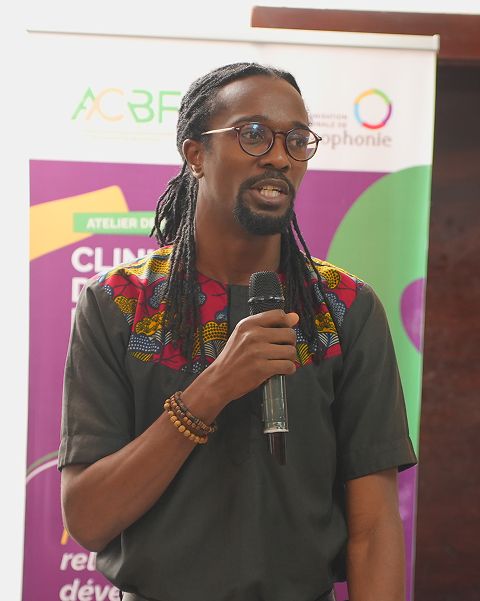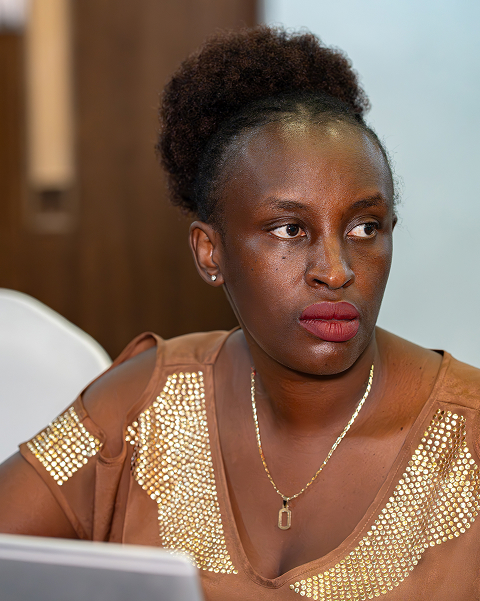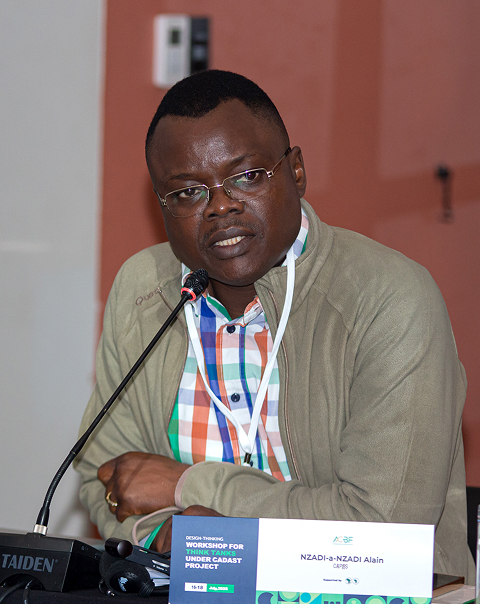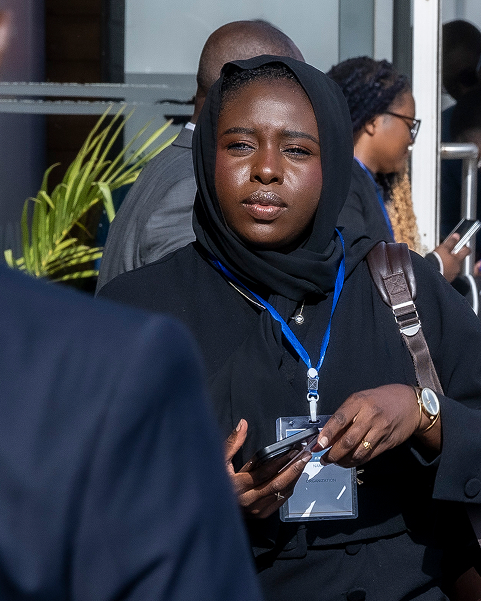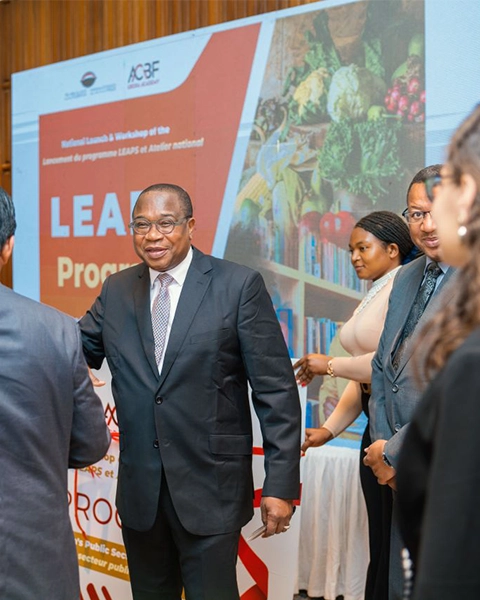

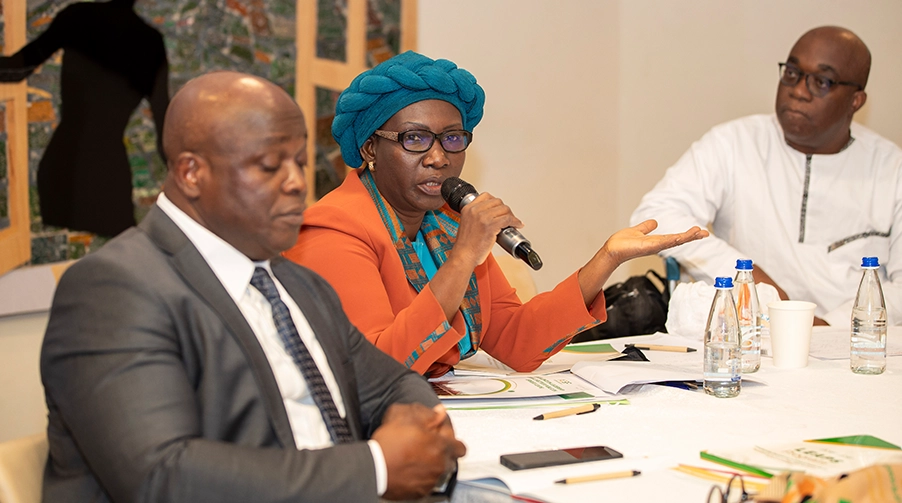
Côte d’Ivoire is advancing one of the most ambitious public finance transformation agendas on the continent. New integrated management systems, results-based budgeting frameworks and digital reform programs are reshaping how the state manages public resources.
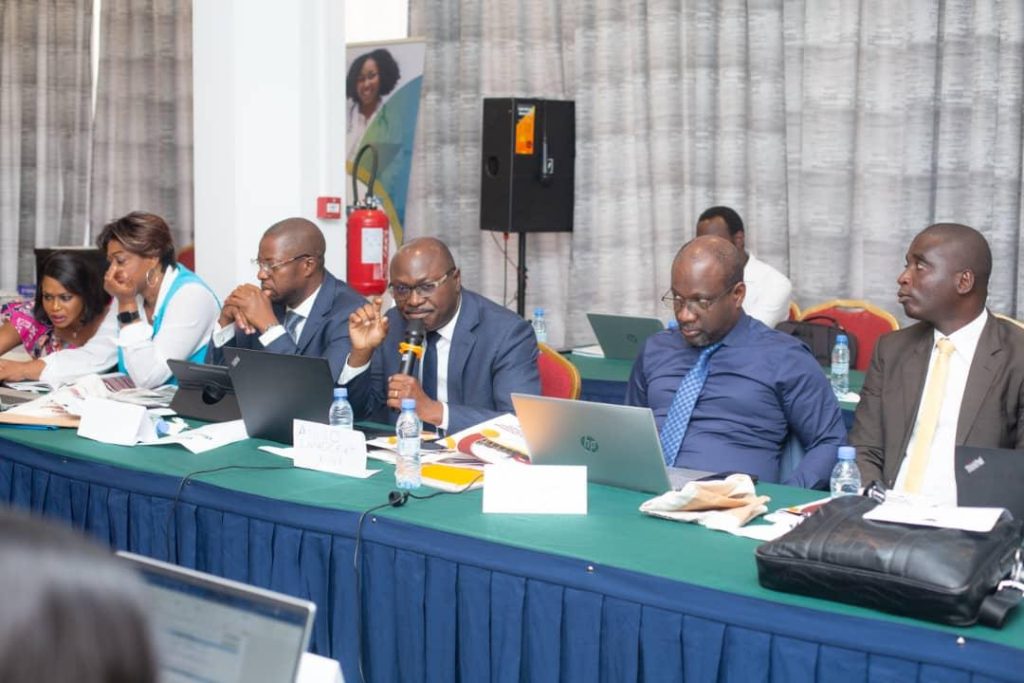
Delivering that agenda depends on the quality of leadership within public institutions. The first cohort of ACBF’s Leadership Excellence in Africa’s Public Sector (LEAPS) program set out to strengthen that capacity.
The experience of participants in Côte d’Ivoire provides an example of how leadership skills are being developed and applied within public institutions.
LEAPS is delivered through the Foundation’s Ubora Academy. It targets senior and emerging public-sector leaders across Africa and equips them with practical leadership competencies, reform-management tools and cross-country peer networks.
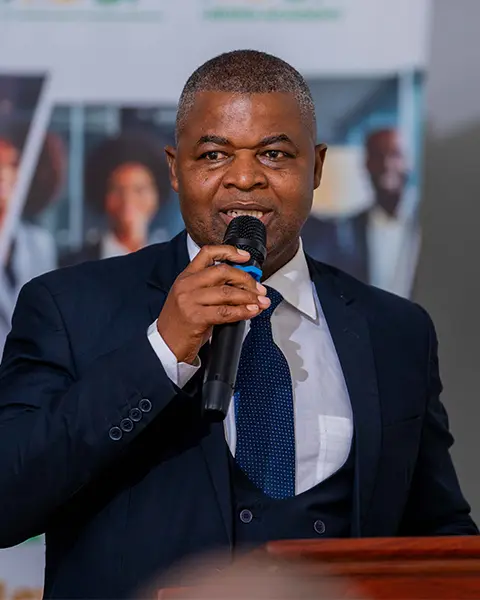
Adico Innocent, director of strategy, studies and fiscal statistics at Côte d’Ivoire’s Directorate General of Taxes, was among the senior civil servants selected. He arrived expecting a conventional management course, while the program offered a broader leadership experience.
It is a very profitable program that allowed me to see things differently.
Adico Innocent
Director of Strategy, Studies and Fiscal Statistics at Côte d’Ivoire’s Directorate General of Taxes
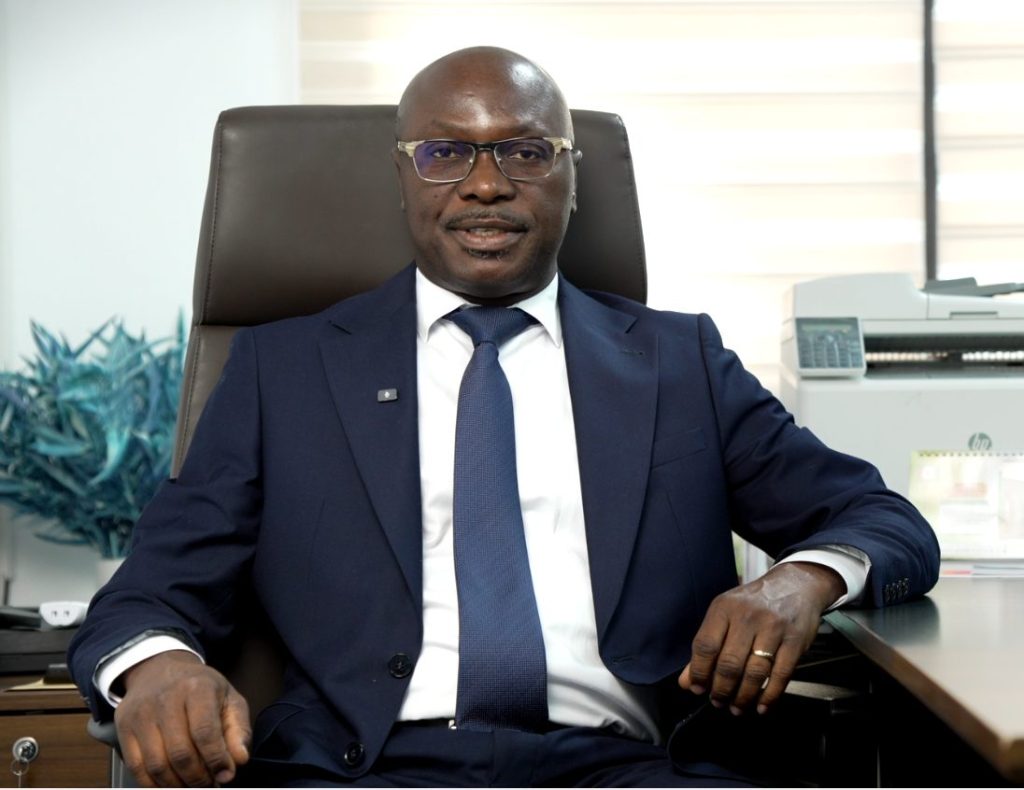
That shift in perspective reflects how LEAPS has been applied across Côte d’Ivoire’s public finance institutions.
Delivered through the Foundation’s Ubora Academy, the program brought together senior public servants from institutions central to the country’s fiscal and budgetary architecture.
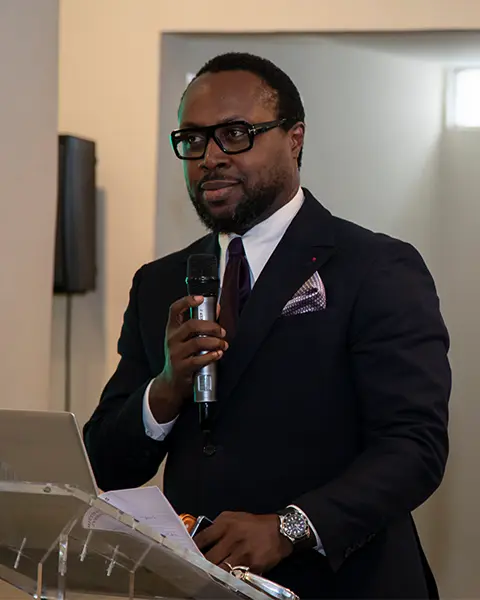
Innocent and Alla Kouassi Martial, director of organization and monitoring and evaluation at the Ministry of Economy, Finance and Budget, applied what they learned within their teams and institutions.
Learning to Lead from Within
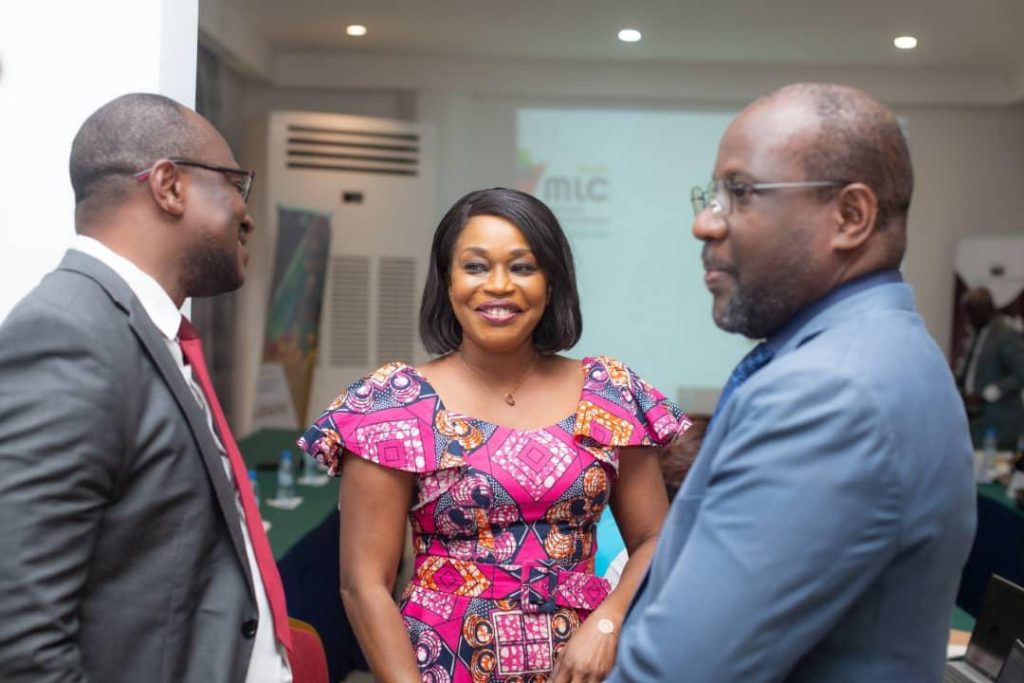
Both participants described one of the most significant aspects of the program as working on themselves rather than on systems. LEAPS structured its curriculum across four leadership domains: self-leadership, team leadership, organizational leadership and ecosystem leadership.
The Ivorian participants said the first two domains produced the most immediate changes in their daily work.
Innocent said a key practical gain was learning to use structured prioritization tools to manage competing demands and delegate more effectively. Before the program, the pressure of running a technical directorate responsible for fiscal analysis led him to take on too many tasks himself.
Changes in that pattern became visible in his daily work.
I manage stress better now. At the team level, there is a better integration of all staff because, before, when a staff member was not keeping pace, we left them behind. Now we make sure each person understands their purpose in the organization so they can participate and give their best.
Adico Innocent
The impact extended beyond his own working style into broader team dynamics. Meeting culture within his directorate became more open, with colleagues more willing to speak and contribute.
The hierarchy has noticed that we are producing better results.
Adico Innocent
Martial described a parallel evolution in his leadership approach and institutional responsibilities.
As the official responsible for coordinating public finance reform implementation across multiple administrative entities, he had long operated with the instinct to move fast by doing everything himself.
The program challenged that instinct directly and introduced a different approach to managing complexity.
Before, when you want to go fast, you tell yourself you need to do it yourself. And that is not necessarily very relevant, especially when you have a lot of things to do at the same time.
Alla Kouassi Martial
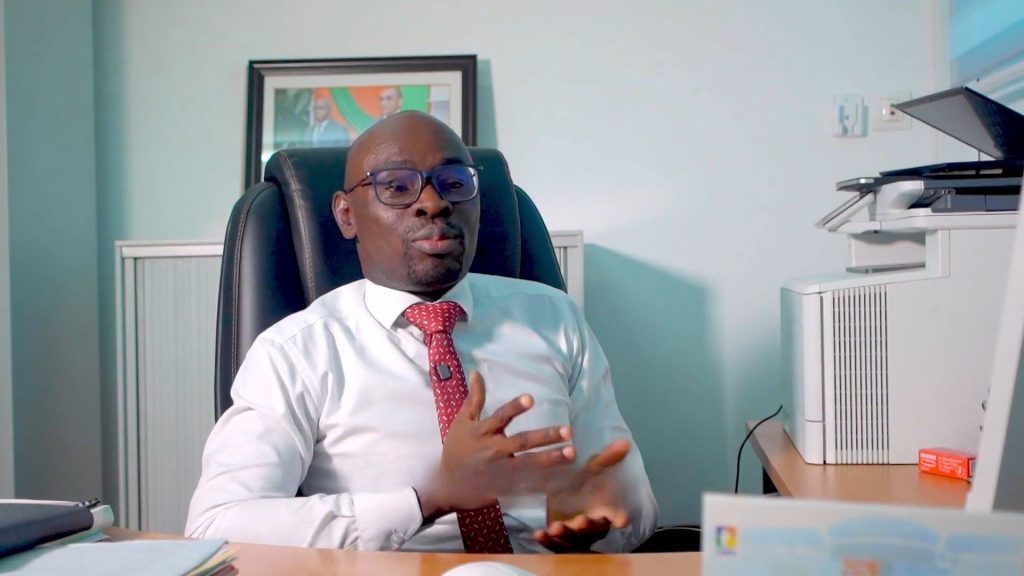
Three behavioral changes followed in his approach to leadership within his role. He developed a more deliberate listening practice, strengthened empathy toward colleagues and introduced a structured approach to task delegation.
Thanks to the program and conversations with our coaches, I learned to let go a little, to delegate tasks so that we could be more effective in carrying out our missions
Alla Kouassi Martial
Reform in Practice
The changes both men described extended beyond personal development into ongoing institutional processes.
They are taking shape in active reform initiatives that require coordination, planning and sustained leadership engagement.
Martial is currently leading two flagship exercises informed by the competencies he developed through LEAPS.
The first is the development of Côte d’Ivoire’s new public finance reform strategic plan for 2026 to 2028. The second is the ministry’s strategic action plan covering 2026 to 2030.
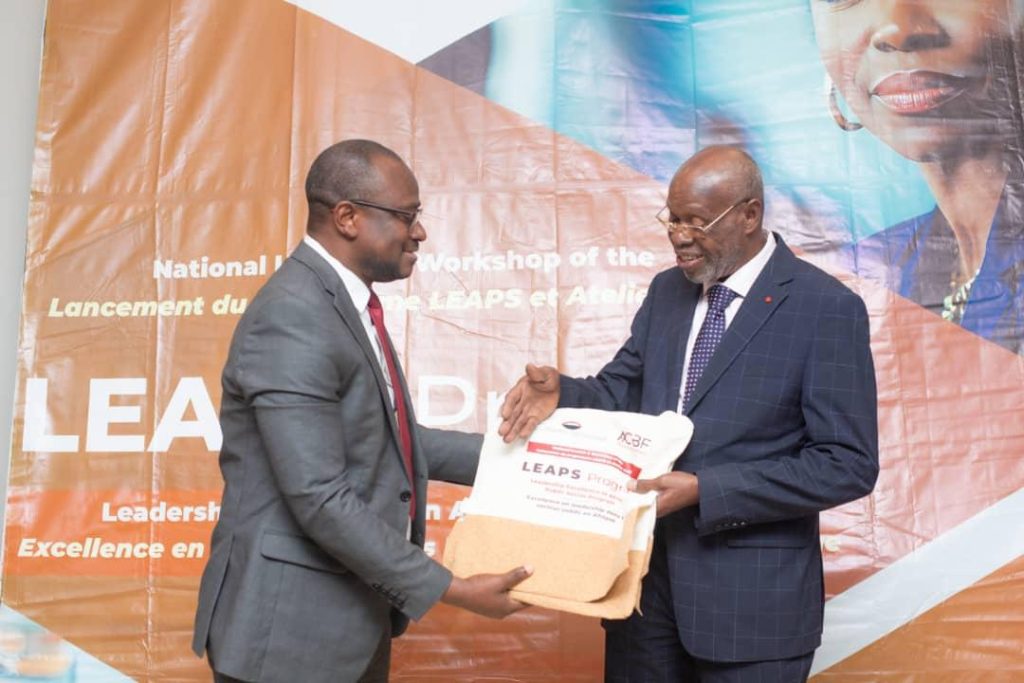
Both processes require the skills the program set out to strengthen across leadership domains. These include coordinating across directorates, securing stakeholder buy-in, facilitating participatory planning and sustaining momentum across complex multiyear processes.
His ability to apply these skills has been supported by two enabling conditions within his institutional environment. Senior leadership within the ministry backed his work, and the relative novelty of his directorate created space to build practices from the outset.
The confidence of the top leadership who support the activities I wish to carry out, and the fact that certain activities are new, allows me to implement more easily since I am the one putting a number of processes in place.
Alla Kouassi Martial
For Innocent, the primary constraint has been structural rather than individual or technical. Working within a large and established directorate, he found that ecosystem-level leadership encountered institutional boundaries that individual effort alone could not overcome.
He viewed this not as a limitation of the program but as an argument for extending it further across the public service.
A Call for Continuity
Both participants were direct in their recommendations for strengthening the program’s long-term impact. Innocent called for more in-person gatherings alongside virtual exchanges to deepen engagement and collaboration.
Exchanges are valuable virtually, but it is even more fraternal when communities come together in person.
Alla Kouassi Martial
Martial called for the creation of an alumni platform that would allow cohort members to stay connected over time. Such a platform would support continued exchange of ideas across francophone and anglophone contexts beyond the formal program cycle.
The experiences described show how leadership development can support areas of public sector performance beyond technical training alone.
In Côte d’Ivoire, the first LEAPS cohort demonstrates how this approach is being applied within public finance institutions.
Highlight Video
Hear from the Public Sector Leaders
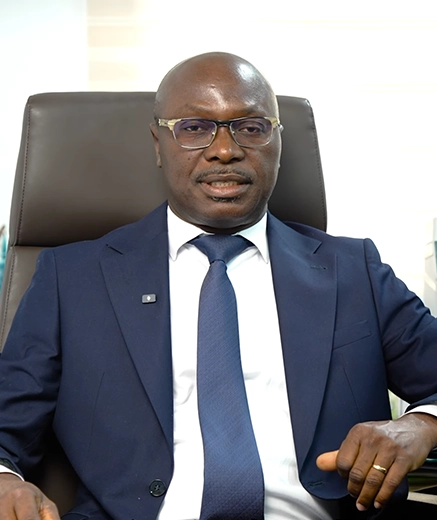
Adico Innocent
Director of Strategy, DGI, Cote D'ivoire
Leadership Excellence in Africa's Public Sector Program - Cote d'Ivoire
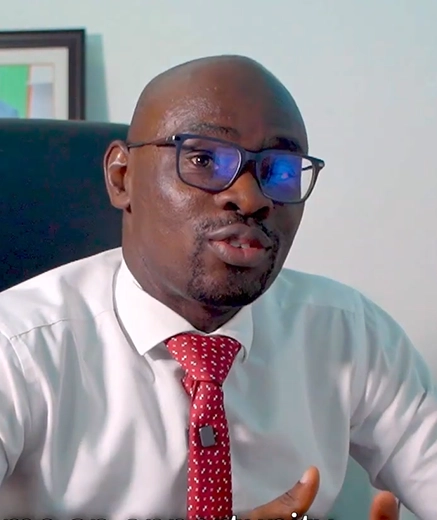
Alla Kouassi Martial
Director of Organization and Monitoring and Evaluation at the Ministry of Economy, Finance and Budget, Cote d'lvoire
Leadership Excellence in Africa's Public Sector Program - Cote d'Ivoire