
Zimbabwe’s public financial management institutions are in the middle of a significant transition. The government is moving from cash-based accounting to accrual accounting under International Public Sector Accounting Standards. This shift is restructuring how public resources are recorded, reported and managed.
That transition requires strong technical capacity within institutions responsible for managing public finances. It also requires public officials who can lead reform processes, align institutions and guide teams through change.
To align with ongoing reforms and support their effective implementation, public officials must manage change, strengthen collaboration and support reform efforts across institutions.
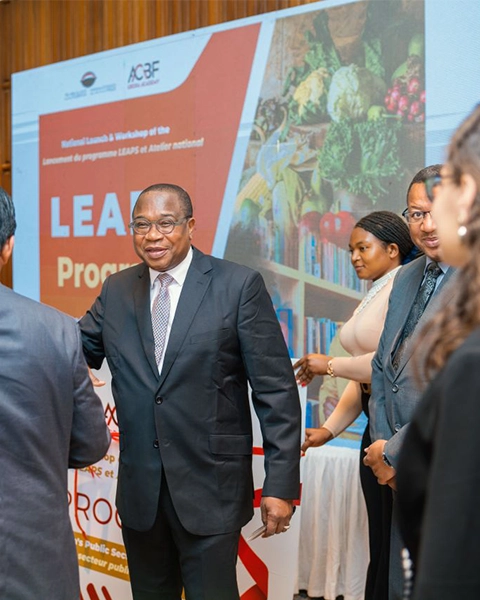
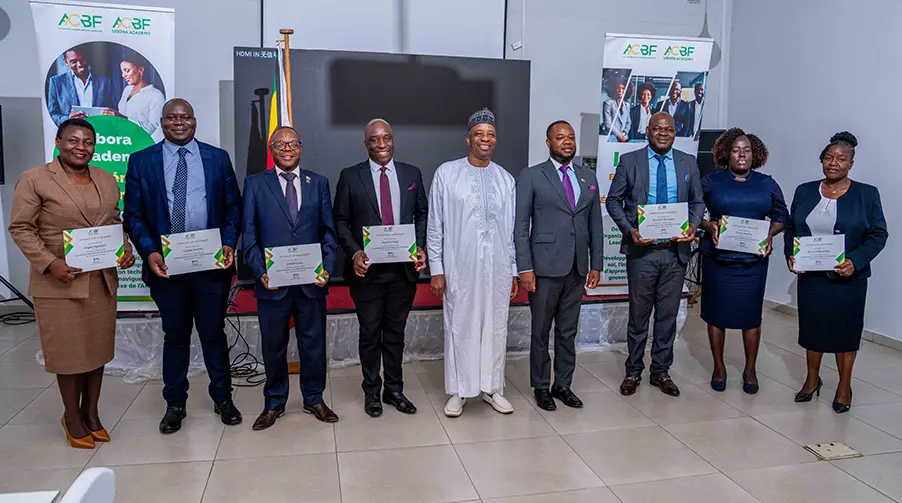
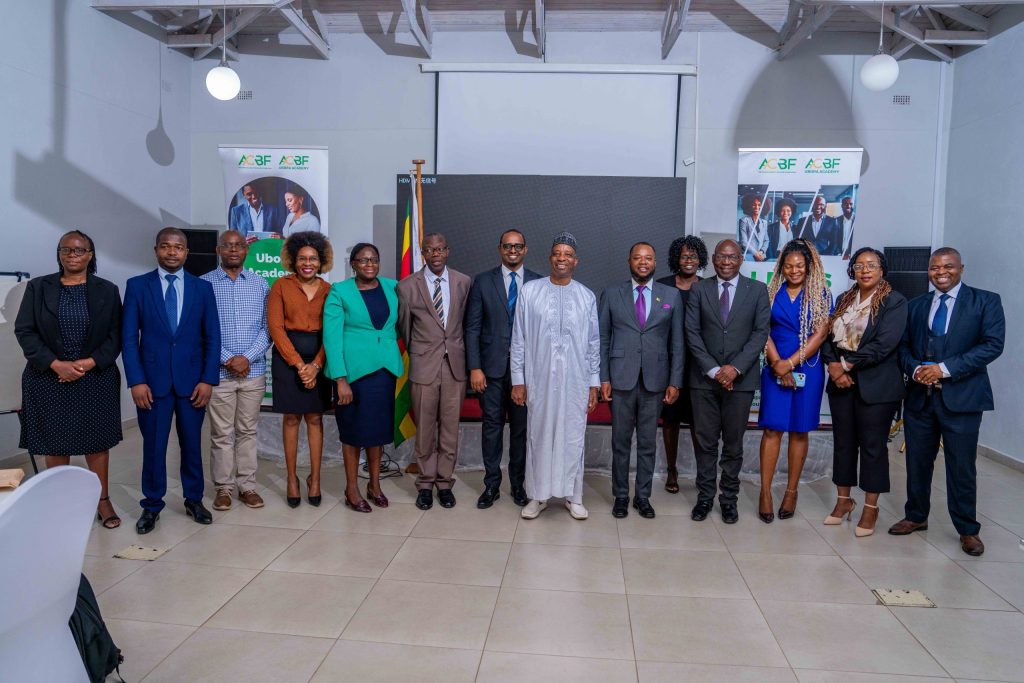
The Leadership Excellence in Africa’s Public Sector program, delivered through the African Capacity Building Foundation’s Ubora Academy, supports senior and emerging public-sector leaders across Africa with practical leadership competencies, reform-management tools and cross-country peer networks.
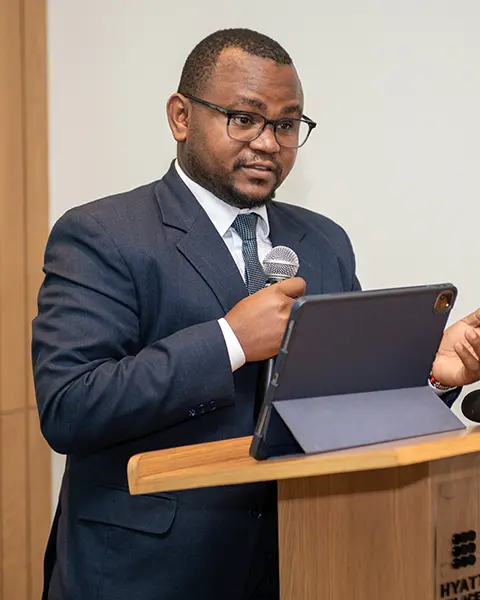
The first LEAPS cohort included Joseph Dube, general manager for finance at Zimbabwe’s Public Service Commission. His institution manages national payroll, pensions and financial operations across 10 provincial offices.
He also chairs the board of a government printing company, adding to his institutional responsibilities.
His experience in LEAPS, delivered through the Foundation’s Ubora Academy, demonstrates how structured leadership development can strengthen institutional performance beyond technical training.
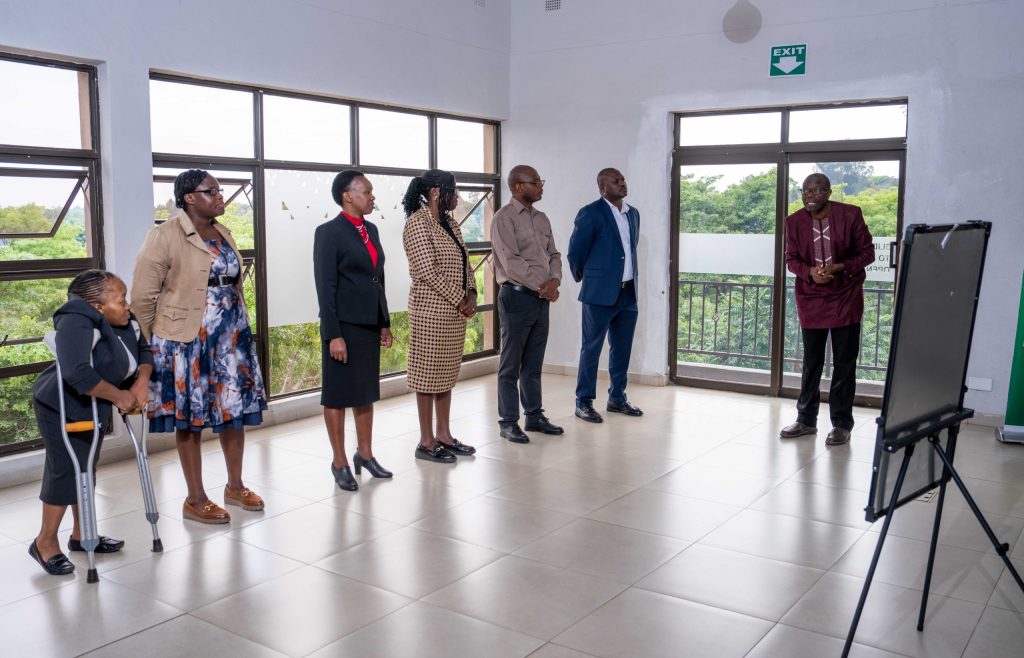
Dube arrived at LEAPS with a strong technical foundation and extensive experience in public financial management.
A chartered accountant with more than 13 years of experience in Zimbabwe’s Ministry of Finance, he had moved into senior leadership roles within the public sector.
The gaps he recognized were not in accounting or finance, but in how he led people.
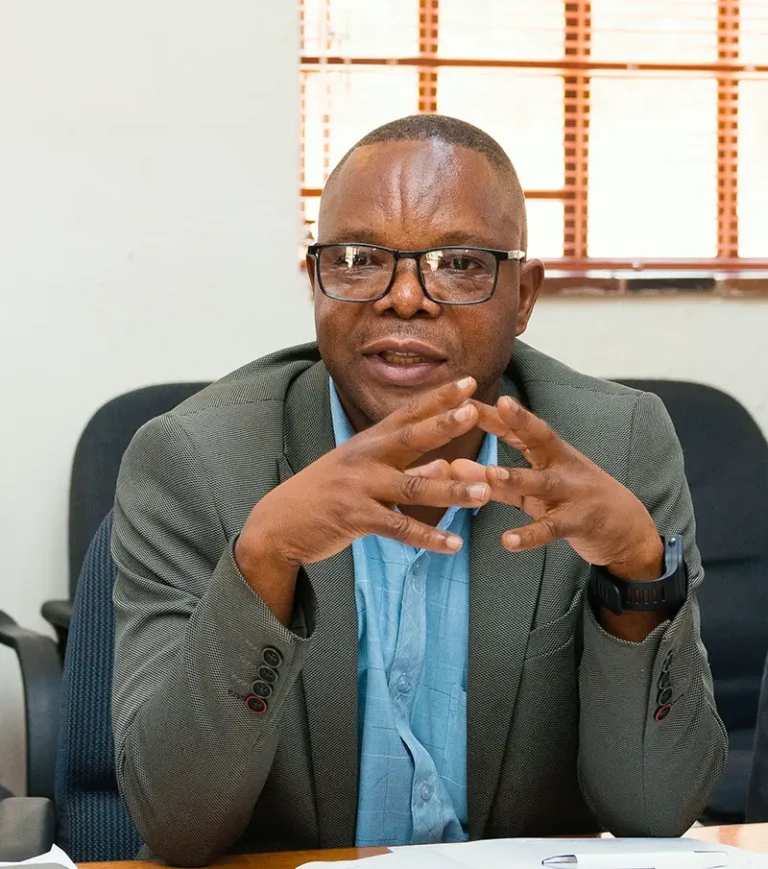
There was always that question. Am I leading in the best way? Without exposure to structured leadership training, you are not always confident.
Joseph Dube
General Manager for Finance at Zimbabwe’s Public Service Commission
LEAPS gave him a structured framework to guide his leadership approach. The coaching sessions at the center of the program created space for him to examine his own practice in a more deliberate way.
Listening and Delegation
The coaching sessions embedded in the LEAPS curriculum encouraged Dube to reflect on how he was leading in practice. This process strengthened his ability to listen and engage more deliberately with his team.
He began asking more targeted questions, creating space for team perspectives before making decisions and allowing greater dialogue within his department. This approach introduced a more participatory dynamic within a function that had previously relied on directives.
As a leader, listening is very important. You must listen attentively to your team, understand where they are coming from, and create space for them to contribute.
Joseph Dube
He also restructured how he distributed responsibility within his team and across functions. Before the program, he made decisions that could have been handled at lower levels within the institution.
This approach was shaped by habit and the assumption that speed required direct control over decisions. LEAPS challenged this approach and introduced a more structured model of delegation.
Changes became visible in how his team operated and contributed to institutional work. Colleagues and supervisors observed improvements in how he conducted meetings and advanced initiatives across departments.
I can see the difference in how I now chair meetings and guide discussions. There is more effectiveness, more clarity, and more engagement.
Joseph Dube
Leadership Applied to Institutional Reform
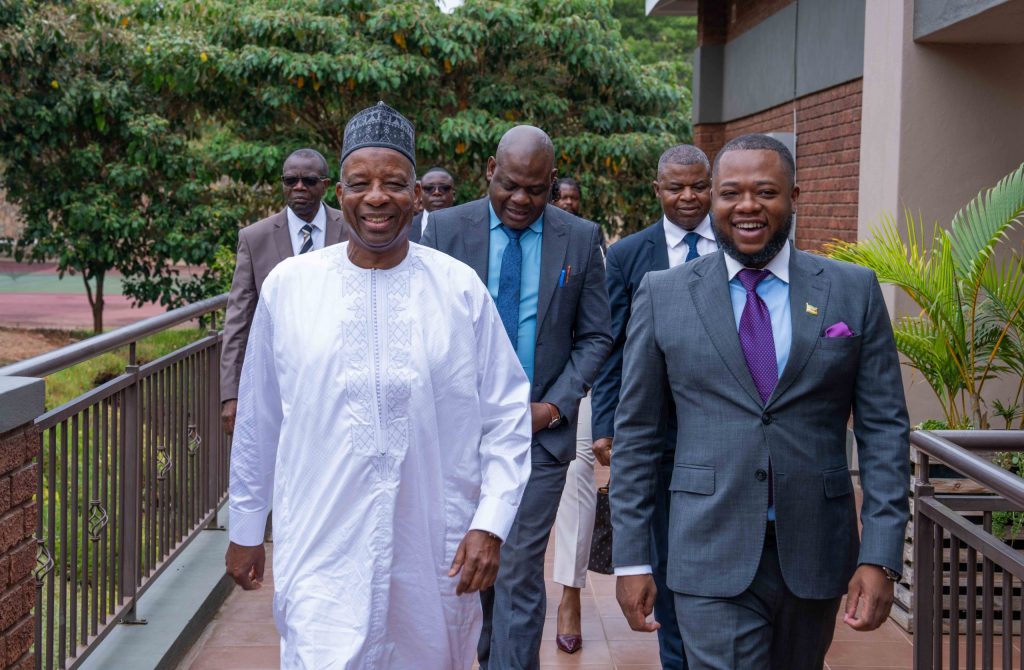
The behavioral changes Dube adopted extended beyond personal leadership into institutional reform processes. As Zimbabwe transitions from cash-based to accrual accounting under the IPSAS framework, his role expanded.
He contributed advisory support to ministries and departments beyond the Public Service Commission. His work included guidance on asset valuation, accounting practices and the practical challenges associated with implementation.
Within his department, he advocated for continuous professional development across accounting functions. He encouraged support for training and professional memberships to strengthen institutional capacity over time.
This approach contributed to stronger team morale and performance.
When your team feels supported, they become more committed and more effective.
Joseph Dube
A Case for Expanding the Program
Dube also raised recommendations to strengthen the program’s long-term impact and practical relevance. He proposed including study visits to institutions across Africa with strong public financial management systems.
There are countries in Africa that are doing very well in public financial management. Participants should have the opportunity to learn from these experiences directly.
Joseph Dube
This recommendation reflects broader institutional constraints within Zimbabwe’s public sector environment. Budget limitations affect the ability of institutions to sustain continuous training and professional development.
Resources are a major constraint. There is a need for continuous training, especially with reforms like IPSAS, but funding is not always available.
Joseph Dube
Programs such as LEAPS provide an alternative approach by investing in leadership capacity that extends beyond individual roles. Participants return to their institutions with leadership approaches that can influence broader teams and processes.
The LEAPS Program is Africa-centric. It is designed to enhance public financial management across Africa and beyond.
Joseph Dube
For an official working within a complex reform environment, this focus on African institutional realities remains directly relevant to his work.