
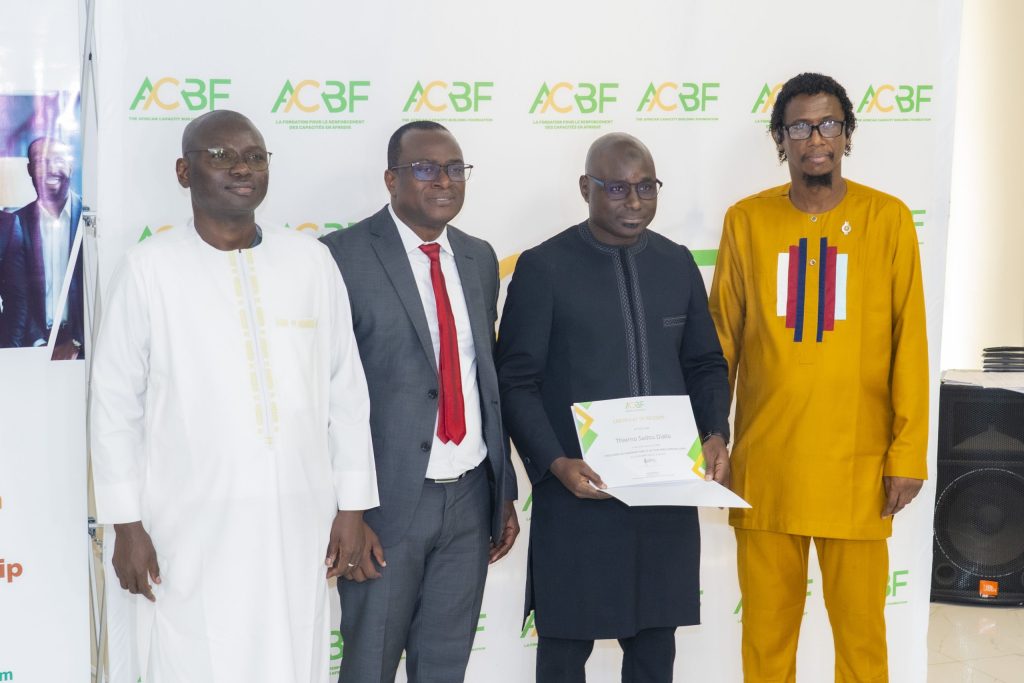
Senegal set an ambitious goal toward modernization, accountability and a citizen-responsive state when it launched its Systemic Transformation Strategy in 2024. The success of this vision depends on effective leadership within public institutions.
Public officials must manage change, strengthen collaboration and communicate reform to citizens. For a group of senior Senegalese public servants who joined the first cohort of ACBF’s Leadership Excellence in Africa’s Public Sector (LEAPS) program, the process of becoming those officials began in the classroom and continued within their institutions.
LEAPS is delivered through the Foundation’s Ubora Academy. It targets senior and emerging public-sector leaders across Africa and equips them with practical leadership competencies, reform-management tools and cross-country peer networks.
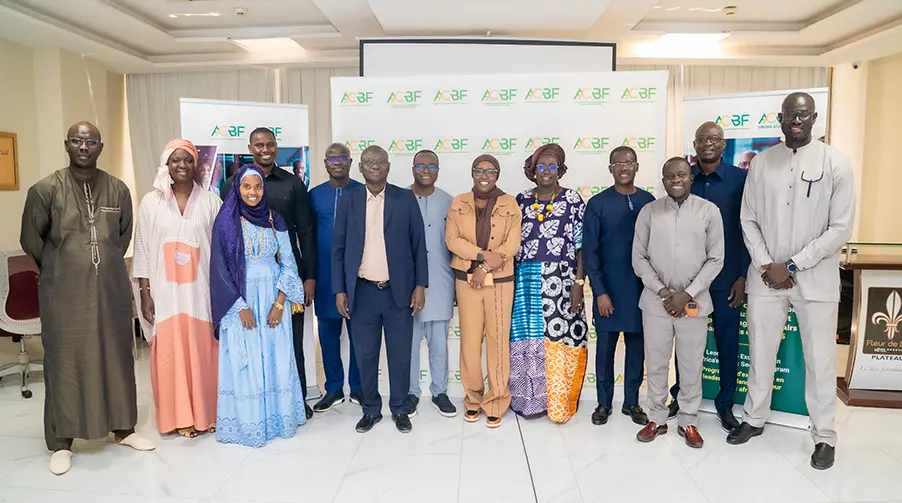
Senegal’s participants included officials from the Public Procurement Regulatory Authority, the Directorate of Budget Programming at the Ministry of Finance and Budget and other public financial management institutions.
Their experiences since completing the program provide insight into how structured leadership development translates into practice within public institutions.
Delegation as a Reform Tool
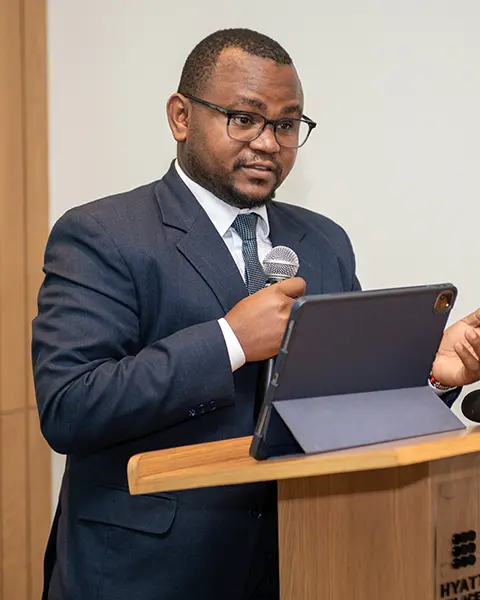
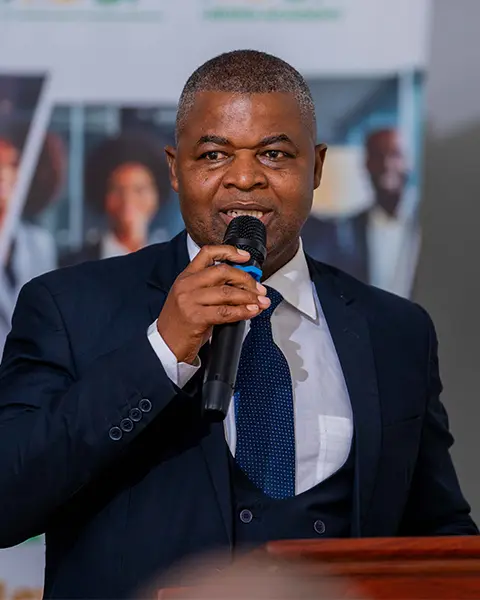
Dr. Baye Samba Diop, director of regulation and legal affairs at the Public Procurement Regulatory Authority, arrived at LEAPS with a clear professional motivation. His institution was undergoing renewal under a new director general committed to aligning its work with the national transformation agenda.
He needed tools to manage that transition effectively, and the program extended beyond technical training.
I learned to delegate, to communicate, and to manage conflicts and develop empathy. These learnings were implemented and contributed to the success of this program.
Dr. Baye Samba Diop
Director of Regulation and Legal Affairs at the Public Procurement Regulatory Authority
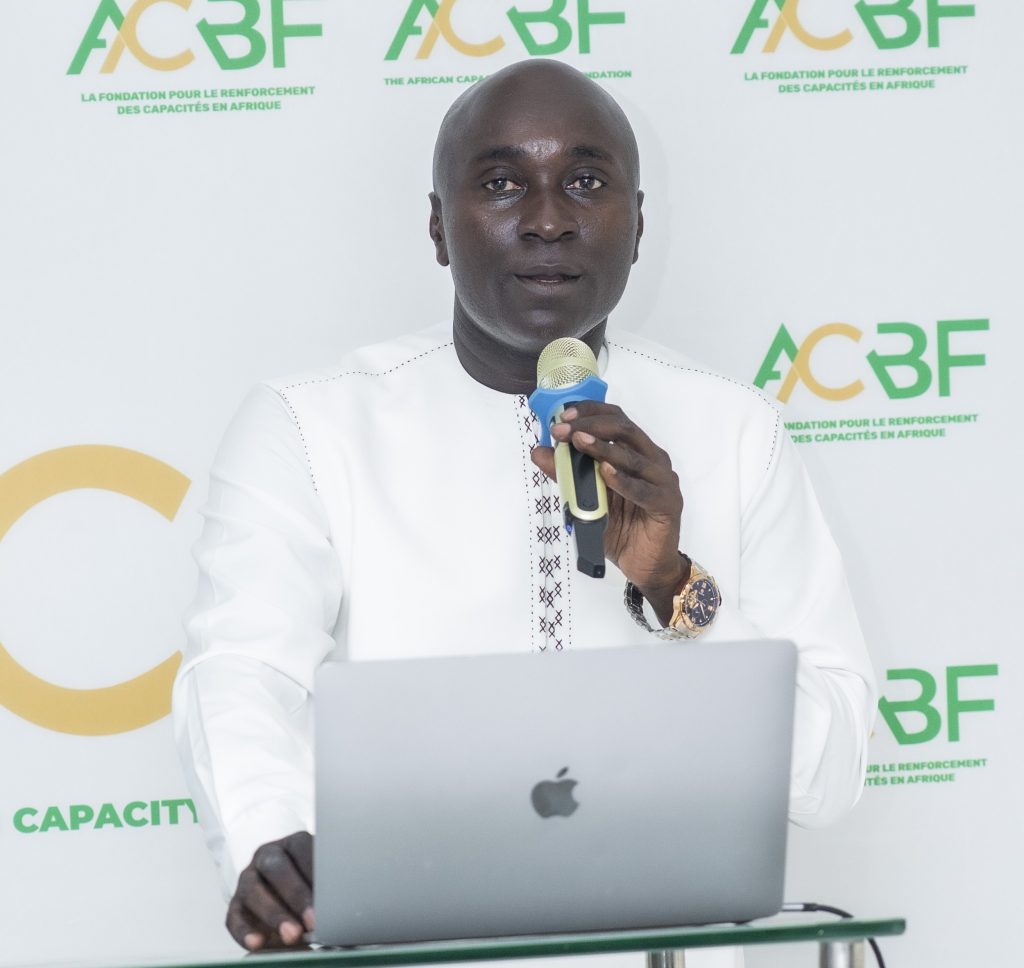
The program he referred to was the rollout of public procurement support offices, a structural initiative designed to extend the authority’s operational reach.
Dr. Diop led this effort and credited the behavioral shifts he developed during LEAPS for supporting its implementation.
Before the program, he concentrated decision-making within his own function, which limited team participation and slowed operational flow.
Afterward, he began delegating responsibilities to the service chiefs beneath him, creating a more distributed leadership structure.
Managers gained confidence, assumed ownership of processes and developed the capacity to support one another. Teams functioned with stronger coordination, and responsibilities were shared more effectively across units.
The objectives are achieved, conflicts are anticipated and managed early, and each service chief can back up the other. Team spirit has developed and my workload has been relieved.
Dr. Baye Samba Diop
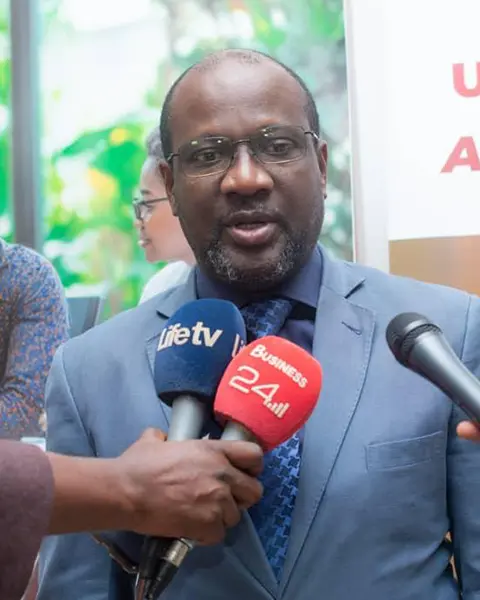
His colleague, Hassan Diop, coordinator for public-private partnerships and sustainable public procurement at the same authority, described a similar shift in leadership practice through a different experience.
For him, the program clarified the fundamental role of a manager within an institution and the importance of structured participation.
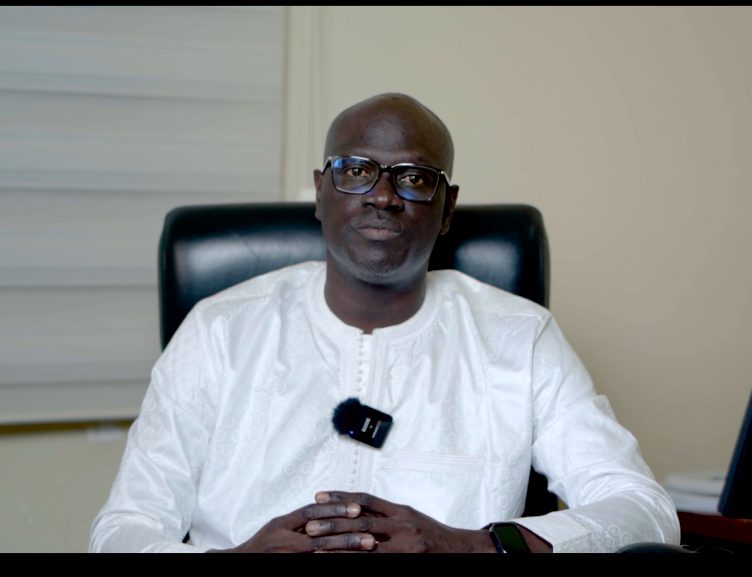
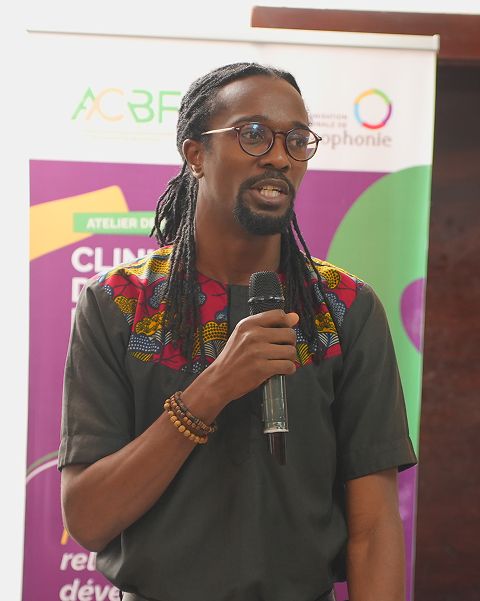
A manager does not do the work. A manager makes others work. It is especially the act of involving collaborators in decision-making, in directions, and in the functioning of the institution that allows me today to have better results than before.
Hassan Diop
Coordinator for Public-Private Partnerships and Sustainable Public Procurement
Hassan Diop entered the program with fragmented knowledge of leadership and a clear need to organize it into a coherent practice.
He applied this approach by involving his team more directly in institutional decisions and operational processes.
Team engagement and participation increased as collaborators responded with greater motivation and involvement.
I sensed quite manifest enthusiasm from collaborators, and that reflected in the results we have been able to achieve.
Hassan Diop
Turning Learning Into Citizen-Facing Action
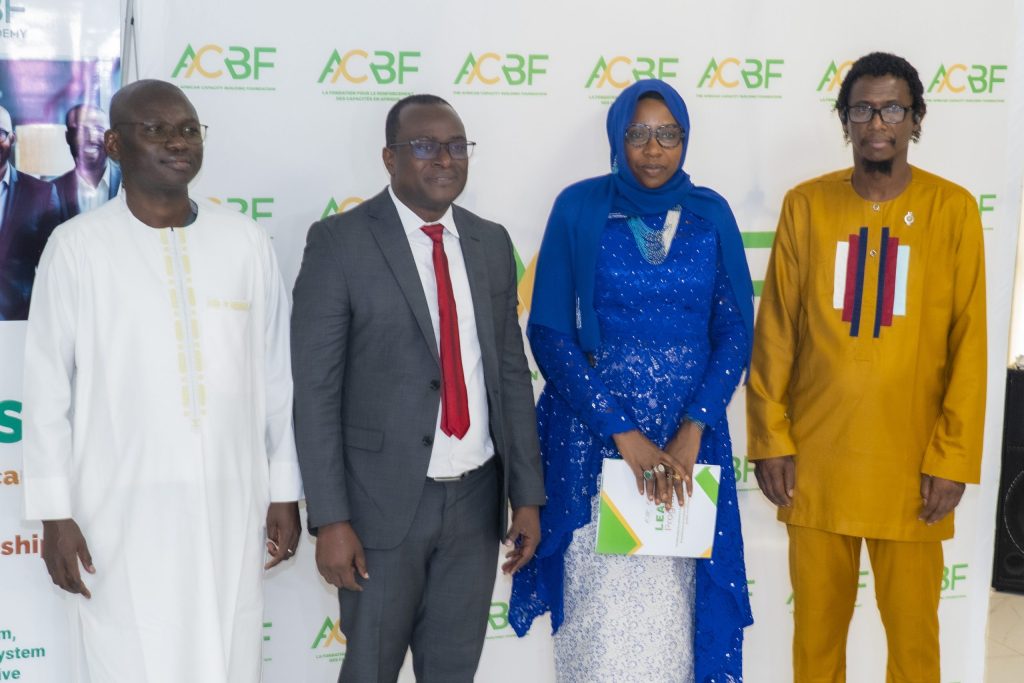
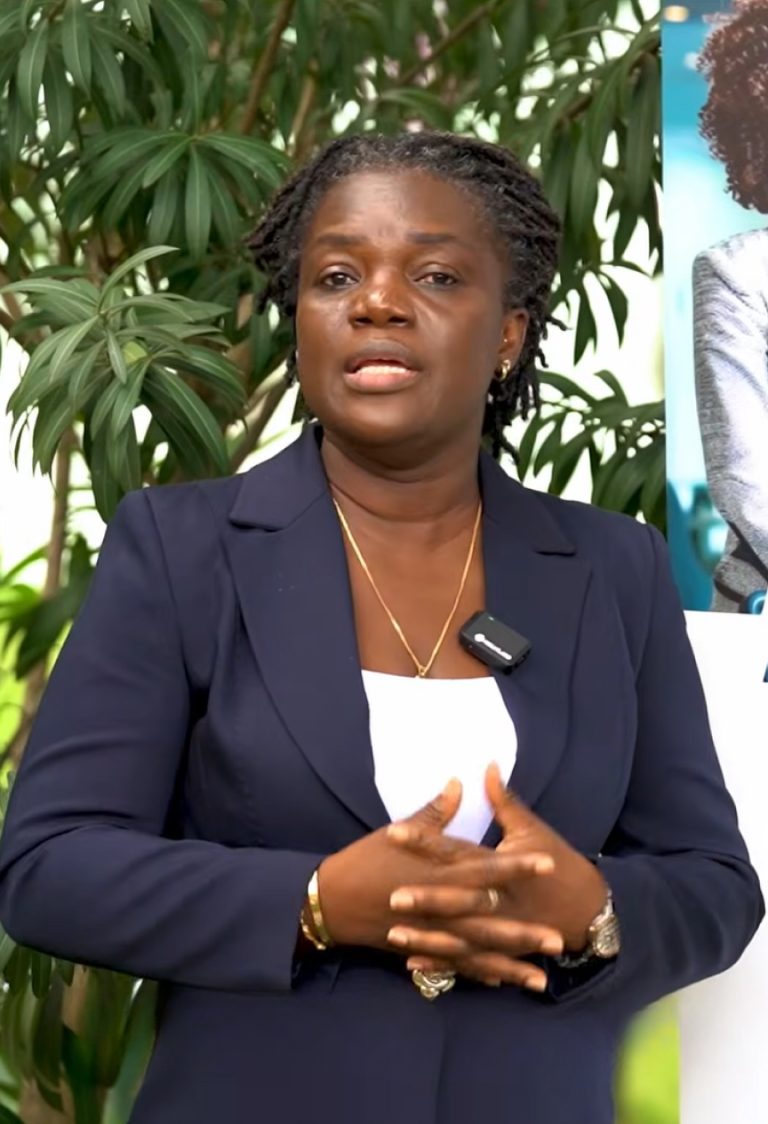
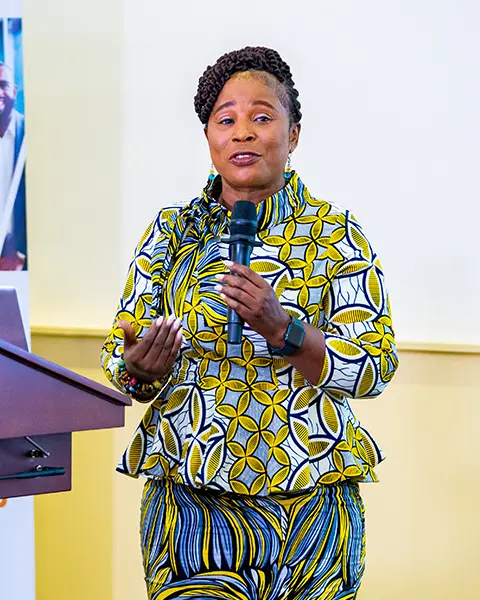
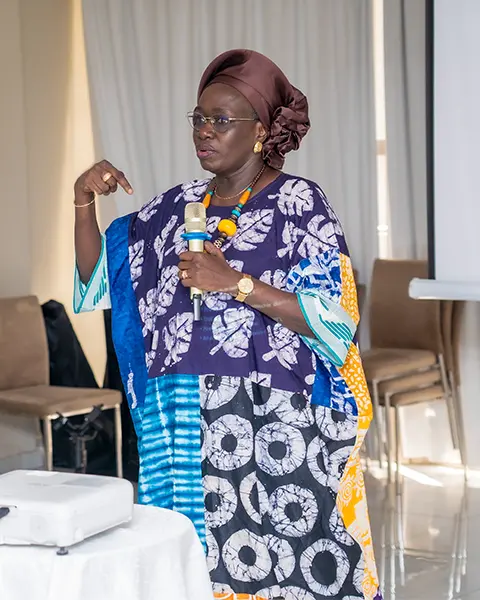
Aminata Drame Fall, technical adviser at the Directorate of Budget Programming and president of the Network of Women in Public Financial Management, approached the program from a different starting point.
She was nominated to participate and did not initially have a clear expectation of what the program would offer.
The program contributed to a shift in her professional confidence and strengthened her focus on communication as a core element of reform.
Through coaching sessions embedded in the LEAPS curriculum, she developed greater clarity on how institutional work can be translated into public understanding.
Working within the Network of Women in Public Financial Management, she led the development of communication initiatives designed to make the national budget more accessible to citizens.
Her team produced materials that explained public financial management processes in clear, nontechnical language.
These materials were presented to the Cabinet of the Ministry of Finance and Budget as part of broader efforts to strengthen communication in public financial management.
We were able to propose a number of actions regarding communication in public financial management. Materials were produced to help ordinary Senegalese citizens understand what public financial management is and what the budget is.
Aminata Drame Fall
Technical Adviser at the Directorate of Budget Programming and President of the Network of Women in Public Financial Management
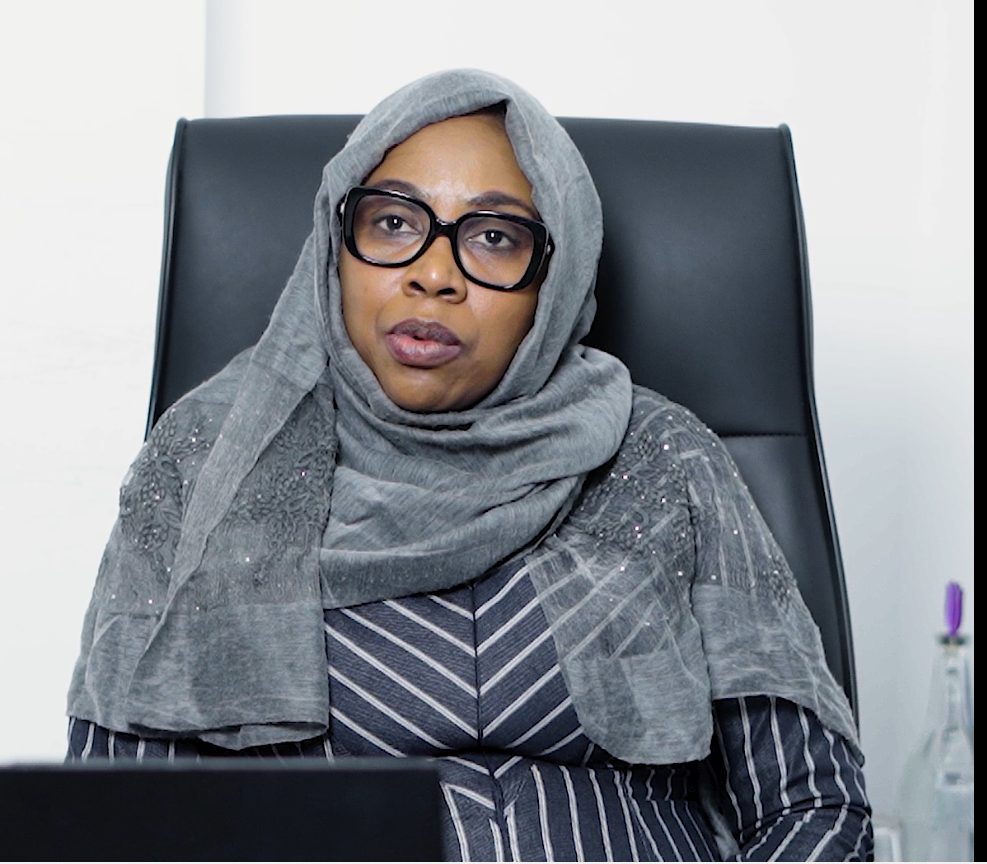
This work responds to a persistent challenge within Senegal’s public finance system. Budget information has traditionally been communicated in technical language, limiting citizen engagement and understanding.
Her initiative represents an effort to strengthen the link between institutions and the public.
A Program Worth Scaling
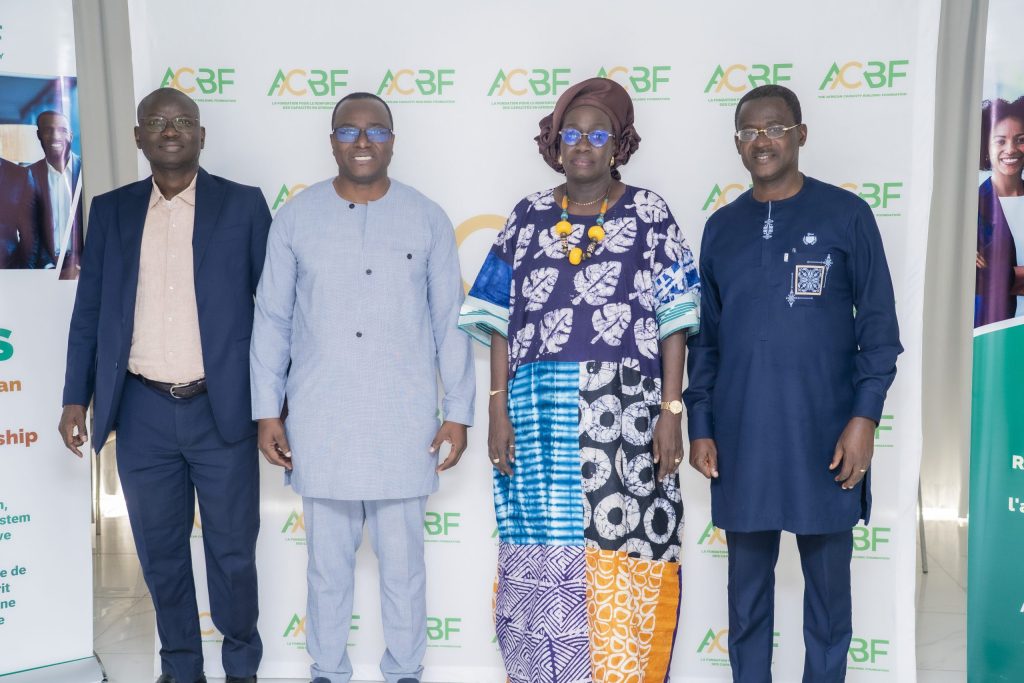
Each of the three officials provided recommendations to strengthen the program’s impact and expand its reach. Dr. Diop called for LEAPS to be made a standard component of training for public-sector managers in Senegal.
Hassan Diop emphasized the importance of expanding similar training opportunities across African administrations and integrating them into institutional practice.
Fall highlighted the need to strengthen the program’s focus on gender by integrating a dedicated component on women’s leadership in public financial management. She identified this as an important area to address in future cohorts.
All three participants emphasized the practical value of the program. LEAPS provided practical tools, exposure to leadership scenarios and access to peer networks across countries facing similar challenges.
The program strengthened participants’ ability to operate within existing institutional environments. It improved their ability to manage constraints, coordinate teams and support the implementation of reforms.
Highlight Video
Watch our latest highlight video and discover more about our work and impact.
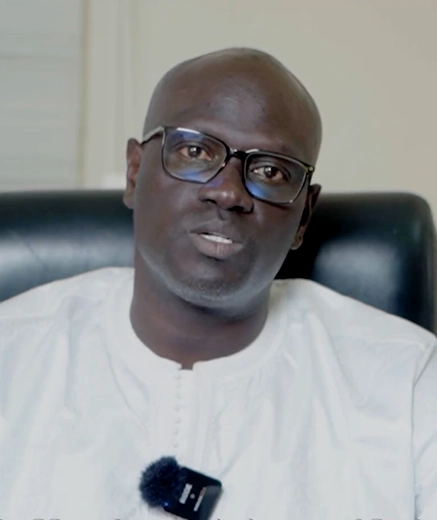
Hassan Diop
PPP Coordinator, ARCOP, Senegal
Leadership Excellence in Africa's Public Sector Program - Senegal

Aminata Drame Fall
Technical Adviser, Directorate of Budget Programming, Senegal
Leadership Excellence in Africa's Public Sector Program - Senegal
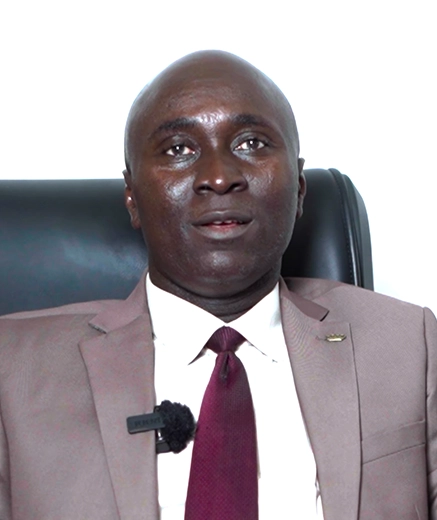
Dr. Baye Samba Diop
Director of Regulation and Legal Affairs, ARCOP, Senegal
Leadership Excellence in Africa's Public Sector Program - Senegal