
Kenya’s public financial management reform agenda is advancing on two interconnected fronts. Institutions are deploying digital systems to strengthen accountability, improve transparency and enhance efficiency in the management of public resources.
At the same time, senior officials are working to improve leadership practices, collaboration and institutional responsiveness to change. The effectiveness of technical reforms increasingly depends on progress in these leadership and organizational dimensions.
Senior officials across ministries and oversight institutions are managing simultaneous reforms in budgeting systems, audit functions and accountability frameworks. These reforms often involve institutions with different mandates, timelines and organizational cultures, requiring sustained coordination and stakeholder engagement.
In this environment, the ability to manage resistance, align priorities and maintain implementation momentum is as important as the technical design of reform initiatives.
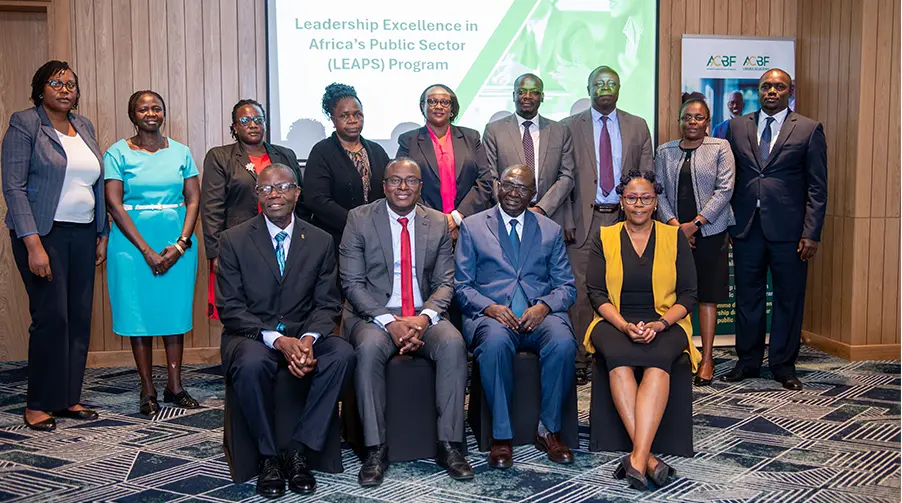
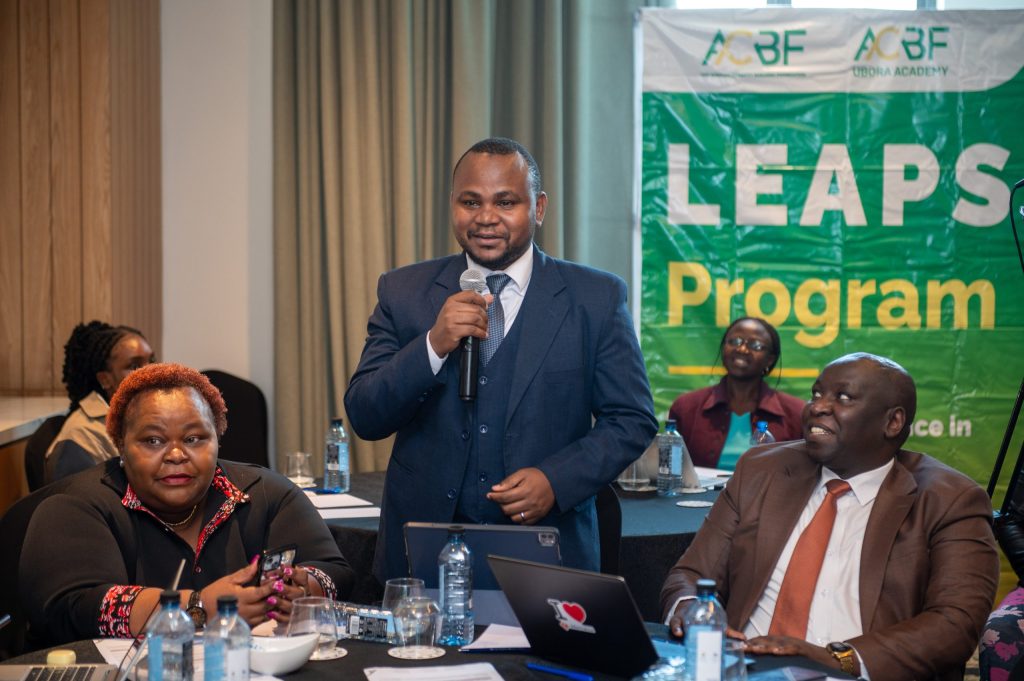
The Leadership Excellence in Africa’s Public Sector program, delivered through the African Capacity Building Foundation’s Ubora Academy, supports senior and emerging public-sector leaders across Africa with practical leadership competencies, reform-management tools and cross-country peer networks.
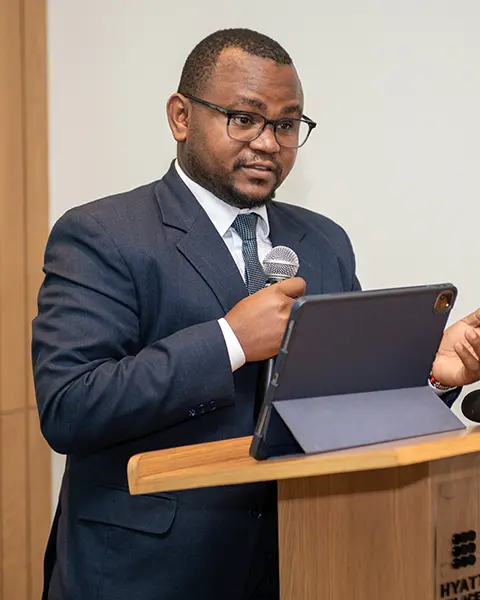
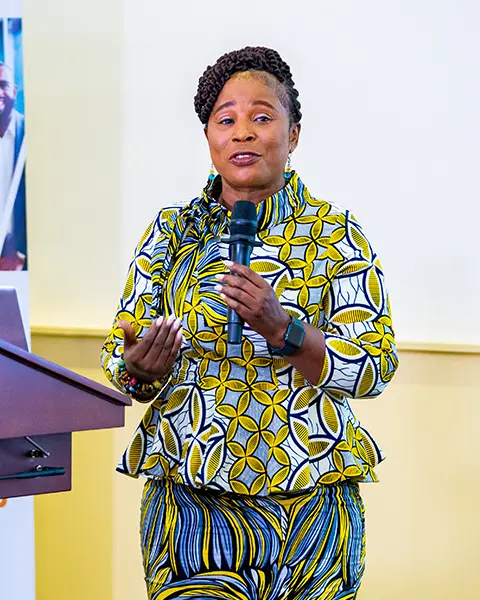
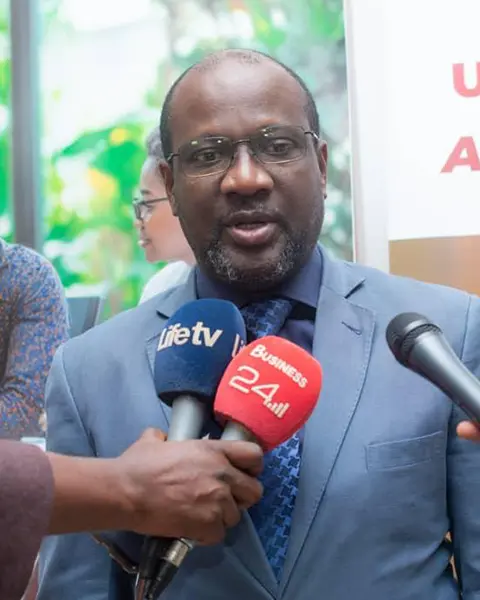
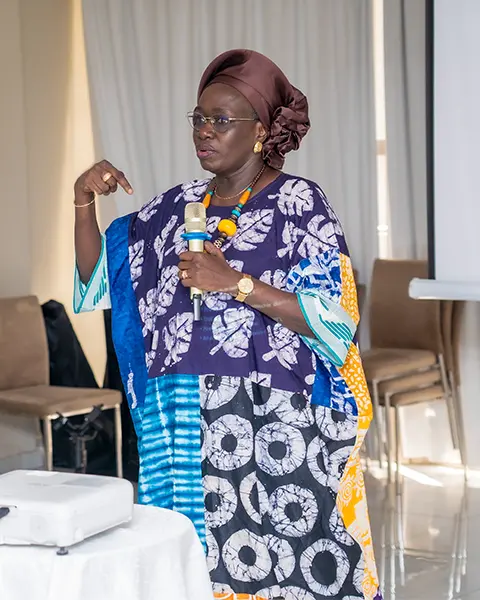
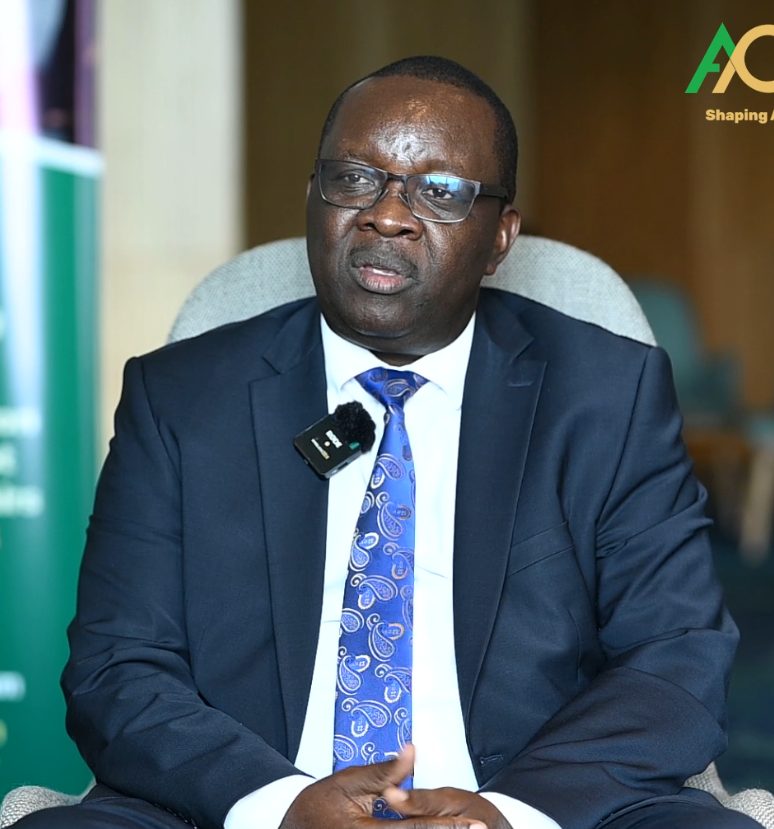
The first LEAPS cohort included senior Kenyan public servants involved in these reforms, among them Jacob Muimi, an ICT specialist at the Public Financial Management Reform Secretariat, and Maurice Odhiambo, deputy director at the Office of the Auditor General.
Both participants entered the program with strong technical expertise and described shifts in how they approached leadership and institutional change following the training.
Leadership in Digital Reform Implementation
Before participating in the program, Muimi measured success primarily through the delivery of systems that met operational and technical requirements.
Implementation challenges often arose from communication gaps and limited stakeholder alignment rather than from weaknesses in system design.
The program reshaped his understanding of leadership as a bridge between technical solutions and institutional outcomes.
This approach informed his work leading the multi-institutional team that developed ReformMIS, a platform designed to coordinate and monitor the implementation of public financial management reform.

The project incorporated agile methodologies, iterative development processes and continuous user feedback mechanisms to strengthen both system design and stakeholder engagement.
User engagement across ministries improved over time, while resistance to the system declined.
ReformMIS later achieved broader adoption, expanded functionality and recognition through a Silver Mark of Excellence at the CIO 100 Awards.

I no longer see my role as limited to building systems. Leadership, relationships, and human behavior are central to achieving results.
Jacob Muimi
ICT Specialist, Public Financial Management Reform Secretariat
Leadership and Institutional Coordination
A similar pattern emerged at the Office of the Auditor General. Maurice Odhiambo joined the program with strong technical expertise but limited exposure to strategic leadership practice.
Through the training, he developed greater self-awareness, empathy and a more inclusive approach to decision-making, leading to a transition from task management toward a stronger focus on people leadership.
Within his team, Odhiambo introduced structured coaching, mentorship and more deliberate delegation practices. These measures strengthened team cohesion and improved knowledge sharing.
Emphasizing the importance of listening at all staff levels, he stated:
Whether you are the most junior staff member or not, I must first listen to you.
Maurice Odhiambo
Externally, he adopted a more strategic approach to coordinating development partners with institutional priorities. This contributed to clearer coordination processes, improved negotiation outcomes and stronger trust across the public finance ecosystem over time.
Implications for Reform Outcomes
The experiences highlighted in the LEAPS cohort illustrate a broader dynamic within Kenya’s public financial management reforms.
While digital systems and regulatory frameworks provide the institutional structure for accountability and efficiency, their effectiveness depends heavily on leadership capacity, stakeholder coordination and sustained collaboration across institutions.
The experiences also demonstrate how leadership development tied to real institutional challenges can produce outcomes that extend beyond technical training alone.
Participants applied lessons from the program directly within ongoing reform initiatives, contributing to improvements in system adoption, team performance and interagency coordination.
In the context of Kenya’s broader reform agenda, leadership development emerges not as a supplementary activity, but as an essential condition for effective technical reform implementation.